THE ADVENTURE COLLECTIVE® · Independent discovery and booking for outdoor travel

Traverse Japan's Slate-roofed highlands on a private full-day of mountain engineering, snow corridors, and the sweeping Kurobe Dam. This guided route simplifies transfers so you can focus on alpine views and short, memorable walks at 2,450 m.
Traverse Japan's Slate-roofed highlands on a private full-day of mountain engineering, snow corridors, and the sweeping Kurobe Dam. This guided route simplifies transfers so you can focus on alpine views and short, memorable walks at 2,450 m.
You arrive before the crowds: a private car lifts you through cedar-lined switchbacks, the air getting thinner until the world opens to wind and stone. At Murodo Plateau the mountains speak in a quieter register—snow walls dare you to walk between them in spring, and summer winds push cloud fingers across razor ridgelines. The scale here feels functional, not theatrical: glaciers, cirques, and sharply folded rock laid bare by tectonic uplift.
Verified experiences and guided adventures in the surrounding area.
Operated by Omotenashi Travel Nagano · Tateyama, Toyama Prefecture
You arrive before the crowds: a private car lifts you through cedar-lined switchbacks, the air getting thinner until the world opens to wind and stone. At Murodo Plateau the mountains speak in a quieter register—snow walls dare you to walk between them in spring, and summer winds push cloud fingers across razor ridgelines. The scale here feels functional, not theatrical: glaciers, cirques, and sharply folded rock laid bare by tectonic uplift.
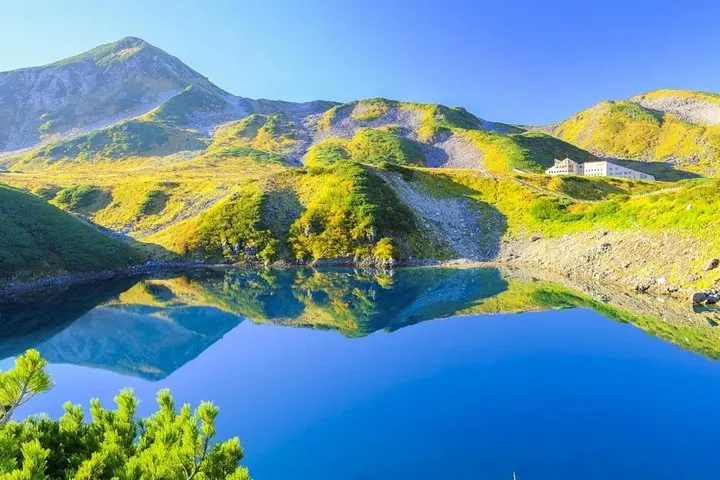
The route itself is a mid-20th-century feat of access and engineering. Once a pilgrimage and mining corridor, the modern Tateyama Kurobe Alpine Route stitches electric buses, ropeways, and trolley buses together to cross the Northern Alps. Kurobe Dam, completed in the 1960s, still looms as the region’s industrial monument—concrete meeting mountain—and its reservoir turns emerald in sunlit weather.
Culturally the highlands retain small rituals: coffee and steamed manju at mountain lodges, shrine markers at trailheads, and careful seasonal rules protecting fragile alpine plants. Local guides point out endemic species and the old stone cairns that mark routes when weather closes in.
Practically, expect a day of frequent transfers, short walks at altitude, and variable weather: strong sun, wind, and sudden drizzle. Your guide handles tickets, timing, and parking so you can move at your pace—linger in the Snow Corridor, cross the dam, or take a short loop from Murodo. Bring layered clothing, sturdy footwear, and a charged camera; altitude can be brisk even in midsummer. If you want photographed keepsakes, plan to pause for composed shots—the guide will often arrange them.
This private tour turns complex logistics into place-making: you experience the route’s geology and history without wasting daylight on connections.
Admissions to museums and certain observatories are typically separate—your private guide manages tickets and suggests where to pay on site.
No; the Alpine Route closes in mid-winter. Snow Corridor highlights are available April–June, while leaf color peaks in September–October.
Expect several short walks (10–60 minutes) on uneven terrain; nothing requires technical climbing but some hikes are at high altitude.
Yes if they can handle repeated transfers, stairs, and short walks at altitude; the tour advises moderate fitness and is not recommended for those with serious heart or back conditions.
Omotenashi Travel Nagano operates guided outdoor trips and adventures with an emphasis on safety, stewardship, and memorable experiences.
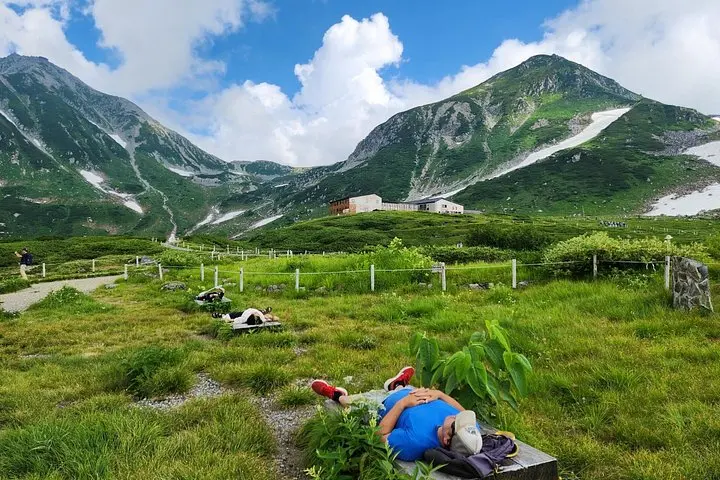
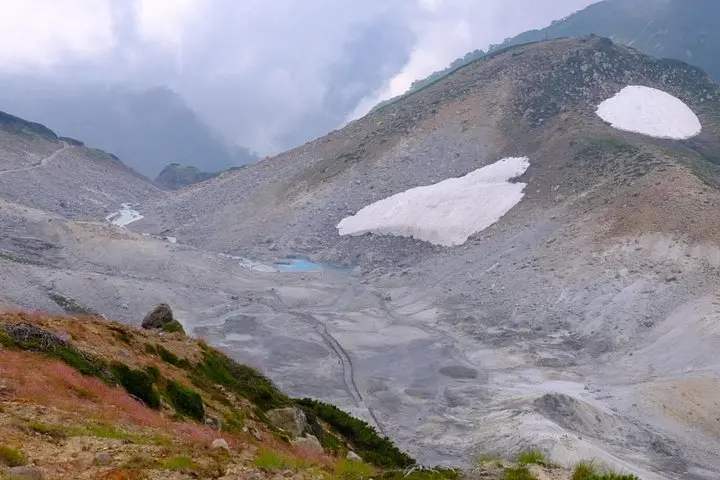
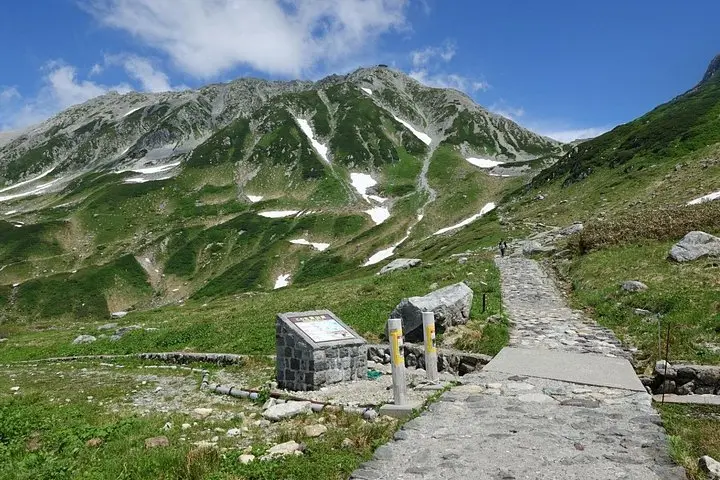
You arrive before the crowds: a private car lifts you through cedar-lined switchbacks, the air getting thinner until the world opens to wind and stone. At Murodo Plateau the mountains speak in a quieter register—snow walls dare you to walk between them in spring, and summer winds push cloud fingers across razor ridgelines. The scale here feels functional, not theatrical: glaciers, cirques, and sharply folded rock laid bare by tectonic uplift.
You arrive before the crowds: a private car lifts you through cedar-lined switchbacks, the air getting thinner until the world opens to wind and stone. At Murodo Plateau the mountains speak in a quieter register—snow walls dare you to walk between them in spring, and summer winds push cloud fingers across razor ridgelines. The scale here feels functional, not theatrical: glaciers, cirques, and sharply folded rock laid bare by tectonic uplift.
The route itself is a mid-20th-century feat of access and engineering. Once a pilgrimage and mining corridor, the modern Tateyama Kurobe Alpine Route stitches electric buses, ropeways, and trolley buses together to cross the Northern Alps. Kurobe Dam, completed in the 1960s, still looms as the region’s industrial monument—concrete meeting mountain—and its reservoir turns emerald in sunlit weather.
Culturally the highlands retain small rituals: coffee and steamed manju at mountain lodges, shrine markers at trailheads, and careful seasonal rules protecting fragile alpine plants. Local guides point out endemic species and the old stone cairns that mark routes when weather closes in.
Practically, expect a day of frequent transfers, short walks at altitude, and variable weather: strong sun, wind, and sudden drizzle. Your guide handles tickets, timing, and parking so you can move at your pace—linger in the Snow Corridor, cross the dam, or take a short loop from Murodo. Bring layered clothing, sturdy footwear, and a charged camera; altitude can be brisk even in midsummer. If you want photographed keepsakes, plan to pause for composed shots—the guide will often arrange them.
This private tour turns complex logistics into place-making: you experience the route’s geology and history without wasting daylight on connections.