THE ADVENTURE COLLECTIVE® · Independent discovery and booking for outdoor travel

Leave Mexico City's bustle for a full day touring Cuernavaca's gardens and Taxco's silver-lined streets. This private drive pairs colonial architecture, mountain scenery, and handcrafted culture into one customizable day trip.
Leave Mexico City's bustle for a full day touring Cuernavaca's gardens and Taxco's silver-lined streets. This private drive pairs colonial architecture, mountain scenery, and handcrafted culture into one customizable day trip.
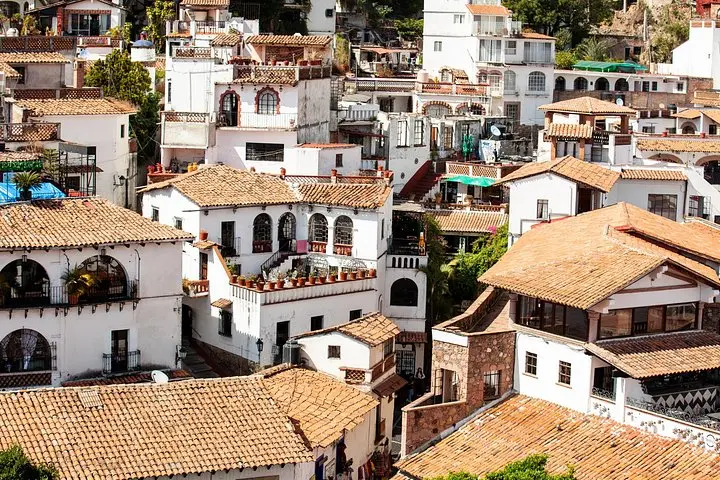
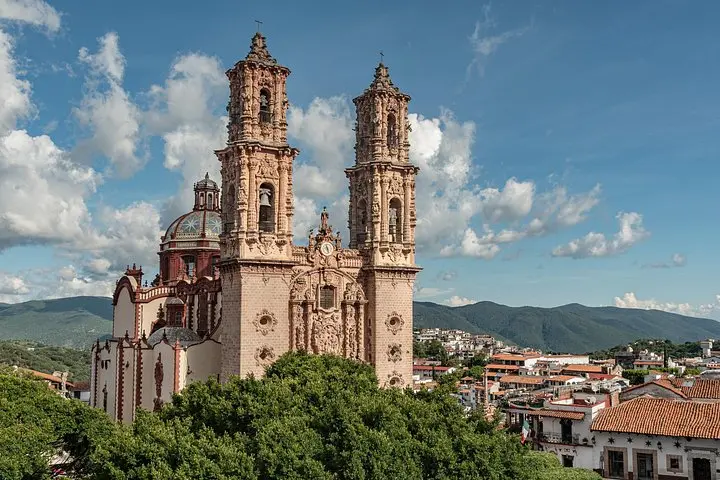
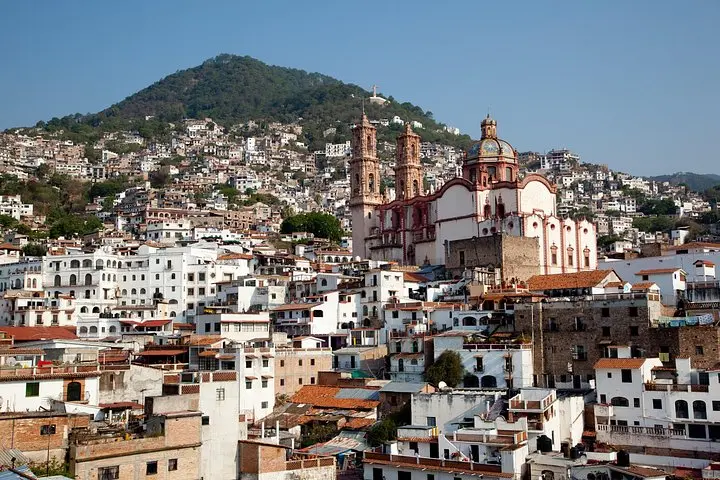
The road peels away from Mexico City's traffic and climbs into a cooler air; hills fold into long views and the driver points out a ridge that seems to guard two distinct towns. Cuernavaca arrives first—broad boulevards, the low domes of its cathedral, and gardens that hold the scent of orange trees. Later, the road tightens and Taxco appears like an old film set: white houses stacked on red-roofed slopes, narrow alleys, and the ornate towers of Santa Prisca catching late light.
Verified experiences and guided adventures in the surrounding area.
Operated by Welcome Pickups · Taxco de Alarcón, Guerrero
The road peels away from Mexico City's traffic and climbs into a cooler air; hills fold into long views and the driver points out a ridge that seems to guard two distinct towns. Cuernavaca arrives first—broad boulevards, the low domes of its cathedral, and gardens that hold the scent of orange trees. Later, the road tightens and Taxco appears like an old film set: white houses stacked on red-roofed slopes, narrow alleys, and the ornate towers of Santa Prisca catching late light.
Cuernavaca earned the name “City of Eternal Spring” for its year-round climate and was a favored colonial retreat; its Palacio de Cortés recalls early Spanish administration and the region’s volcanic soils. Taxco’s history centers on silver—mines and workshops reshaped the town in the 18th century, producing baroque churches and a dense artisan economy. The geology shifts from fertile low valleys to rugged, mineral-rich hills that pushed miners and silversmiths into the high streets.
Expect cobbled lanes, steep stairways, and concentrated shopping for handcrafted silver and local ceramics. Cultural rhythms slow—cafés, rooftop lunches, and markets ruled by artisans—so the day is as much about pacing as it is about sites.
Practical guidance: wear sturdy shoes for uneven stones, carry a refillable water bottle, and plan for 10–12 hours including drive time. Bring small bills for markets and be prepared for brief uphill walks between viewpoints. A full-day private driver lets travelers set the pace—arrive early to avoid crowds at Santa Prisca and leave time for a rooftop view before the return to the capital.
Depending on traffic, expect about 1.5–3 hours each way—plan for 10–12 hours total for the round trip and visits.
This private drive typically includes transportation only; museum entry and optional site fees are usually paid on-site unless otherwise specified.
Yes—short walks are manageable and infant seats are available, but cobbled streets can be challenging for full-size strollers.
Yes—private drivers let you adjust time spent in Cuernavaca or Taxco, add a lunch stop, or prioritize markets and viewpoints.
Welcome Pickups operates guided outdoor trips and adventures with an emphasis on safety, stewardship, and memorable experiences.
The road peels away from Mexico City's traffic and climbs into a cooler air; hills fold into long views and the driver points out a ridge that seems to guard two distinct towns. Cuernavaca arrives first—broad boulevards, the low domes of its cathedral, and gardens that hold the scent of orange trees. Later, the road tightens and Taxco appears like an old film set: white houses stacked on red-roofed slopes, narrow alleys, and the ornate towers of Santa Prisca catching late light.
The road peels away from Mexico City's traffic and climbs into a cooler air; hills fold into long views and the driver points out a ridge that seems to guard two distinct towns. Cuernavaca arrives first—broad boulevards, the low domes of its cathedral, and gardens that hold the scent of orange trees. Later, the road tightens and Taxco appears like an old film set: white houses stacked on red-roofed slopes, narrow alleys, and the ornate towers of Santa Prisca catching late light.
Cuernavaca earned the name “City of Eternal Spring” for its year-round climate and was a favored colonial retreat; its Palacio de Cortés recalls early Spanish administration and the region’s volcanic soils. Taxco’s history centers on silver—mines and workshops reshaped the town in the 18th century, producing baroque churches and a dense artisan economy. The geology shifts from fertile low valleys to rugged, mineral-rich hills that pushed miners and silversmiths into the high streets.
Expect cobbled lanes, steep stairways, and concentrated shopping for handcrafted silver and local ceramics. Cultural rhythms slow—cafés, rooftop lunches, and markets ruled by artisans—so the day is as much about pacing as it is about sites.
Practical guidance: wear sturdy shoes for uneven stones, carry a refillable water bottle, and plan for 10–12 hours including drive time. Bring small bills for markets and be prepared for brief uphill walks between viewpoints. A full-day private driver lets travelers set the pace—arrive early to avoid crowds at Santa Prisca and leave time for a rooftop view before the return to the capital.