THE ADVENTURE COLLECTIVE® · Independent discovery and booking for outdoor travel

A full-day private tour that pairs Tbilisi’s layered streets with Mtskheta’s sacred hilltops—visit Jvari Monastery, Svetitskhoveli Cathedral, Narikala Fortress and the sulfur baths with hotel pickup and a local guide.
A full-day private tour that pairs Tbilisi’s layered streets with Mtskheta’s sacred hilltops—visit Jvari Monastery, Svetitskhoveli Cathedral, Narikala Fortress and the sulfur baths with hotel pickup and a local guide.
You start the day with a city that announces itself in layers: the Mtkvari River cutting through pale stone, the hot-spring quarter sending faint steam into the morning air, and a cable car that climbs to a fortress where the city drops away beneath you.
Verified experiences and guided adventures in the surrounding area.
Operated by Travel Door · Tbilisi, Tbilisi
You start the day with a city that announces itself in layers: the Mtkvari River cutting through pale stone, the hot-spring quarter sending faint steam into the morning air, and a cable car that climbs to a fortress where the city drops away beneath you.
The private tour moves deliberately between two complementary histories—Tbilisi’s mercantile, multicultural streets and Mtskheta’s compact, sacred hilltop. Mtskheta served as Georgia’s capital until the 5th century and remains the spiritual heart, with Svetitskhoveli Cathedral—its vaulted stone and carved capitals—housing centuries of Orthodox ritual. Up on the hill, Jvari Monastery (6th–7th century) perches on an ancient ridge, a simple cross-in-square silhouette that frames the confluence of rivers below.
Back in Tbilisi, Metekhi church and Narikala Fortress narrate the city’s strategic geology: basalt terraces, steep cliffs and a river corridor that has invited trade and invaders alike. Walking through Abanotubani’s sulfur-bath quarter and across the Peace Bridge, you’ll find narrow lanes of cafés and wine bars where contemporary Georgian life is as visible as the past.
Practicalities: the typical private tour runs about 6–7 hours with hotel pickup and drop-off. Expect moderate walking with some steep steps and short cable car rides; wear supportive shoes, dress modestly for churches and bring water. Guides often include a short souvenir-market stop in Mtskheta and time for panoramic photos at Narikala. Morning starts avoid midday heat and give better light for photos. This itinerary is ideal for travelers who want concentrated history, accessible viewpoints and a single-day orientation to Georgia’s cultural core.
Yes—this private tour includes door-to-door pickup and drop-off from most Tbilisi hotels.
Standard package descriptions often exclude formal entrance fees; check booking details or ask the operator about admissions for Narikala cable car or museum entries.
Many parts of the city are accessible, but historic sites like Narikala and Jvari involve steps and uneven terrain; contact the operator to confirm accessibility arrangements.
English-speaking guide-drivers are provided; request other languages when booking and confirm availability.
Travel Door operates guided outdoor trips and adventures with an emphasis on safety, stewardship, and memorable experiences.


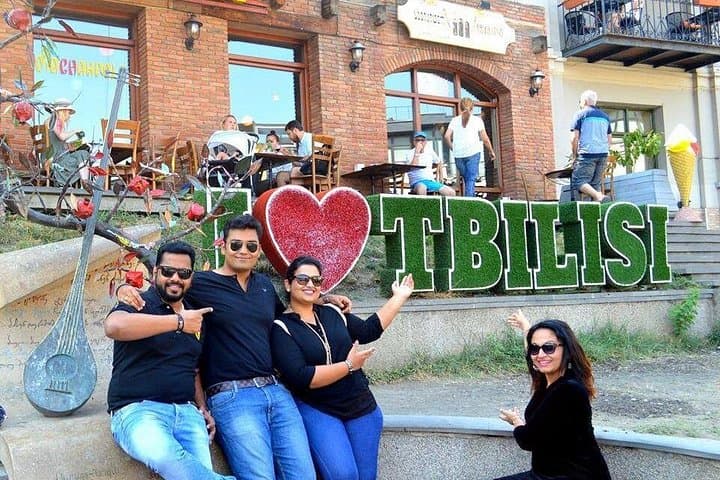
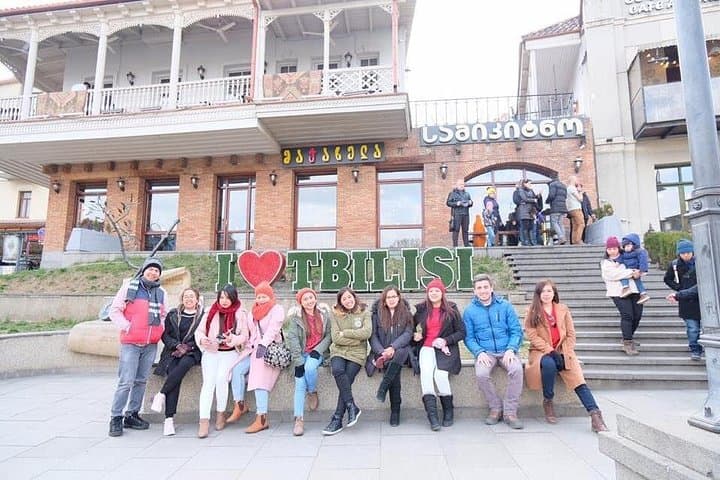
You start the day with a city that announces itself in layers: the Mtkvari River cutting through pale stone, the hot-spring quarter sending faint steam into the morning air, and a cable car that climbs to a fortress where the city drops away beneath you.
You start the day with a city that announces itself in layers: the Mtkvari River cutting through pale stone, the hot-spring quarter sending faint steam into the morning air, and a cable car that climbs to a fortress where the city drops away beneath you.
The private tour moves deliberately between two complementary histories—Tbilisi’s mercantile, multicultural streets and Mtskheta’s compact, sacred hilltop. Mtskheta served as Georgia’s capital until the 5th century and remains the spiritual heart, with Svetitskhoveli Cathedral—its vaulted stone and carved capitals—housing centuries of Orthodox ritual. Up on the hill, Jvari Monastery (6th–7th century) perches on an ancient ridge, a simple cross-in-square silhouette that frames the confluence of rivers below.
Back in Tbilisi, Metekhi church and Narikala Fortress narrate the city’s strategic geology: basalt terraces, steep cliffs and a river corridor that has invited trade and invaders alike. Walking through Abanotubani’s sulfur-bath quarter and across the Peace Bridge, you’ll find narrow lanes of cafés and wine bars where contemporary Georgian life is as visible as the past.
Practicalities: the typical private tour runs about 6–7 hours with hotel pickup and drop-off. Expect moderate walking with some steep steps and short cable car rides; wear supportive shoes, dress modestly for churches and bring water. Guides often include a short souvenir-market stop in Mtskheta and time for panoramic photos at Narikala. Morning starts avoid midday heat and give better light for photos. This itinerary is ideal for travelers who want concentrated history, accessible viewpoints and a single-day orientation to Georgia’s cultural core.