THE ADVENTURE COLLECTIVE® · Independent discovery and booking for outdoor travel

A full-day private drive from Tbilisi that links Uplistsikhe’s rock-hewn chambers, Gori’s historical museum, and the hilltop Jvari and Svetitskhoveli churches in Mtskheta. Expect uneven stone steps, short climbs, and rich historical layers spanning millennia.
A full-day private drive from Tbilisi that links Uplistsikhe’s rock-hewn chambers, Gori’s historical museum, and the hilltop Jvari and Svetitskhoveli churches in Mtskheta. Expect uneven stone steps, short climbs, and rich historical layers spanning millennia.
You leave Tbilisi by mid-morning, the city light slipping behind you as the road unfurls into low hills and vineyards. The driver pulls up near a cleft of rock and you step onto the ridge that holds Uplistsikhe — a rock-cut town where carved rooms and vaulted halls peer over the Mtkvari River. Stone steps slope underfoot; wind and time have given the facades character and danger in equal measure.
Verified experiences and guided adventures in the surrounding area.
Operated by taxiGo Limo Airport Service · Tbilisi, Tbilisi
You leave Tbilisi by mid-morning, the city light slipping behind you as the road unfurls into low hills and vineyards. The driver pulls up near a cleft of rock and you step onto the ridge that holds Uplistsikhe — a rock-cut town where carved rooms and vaulted halls peer over the Mtkvari River. Stone steps slope underfoot; wind and time have given the facades character and danger in equal measure.
This route threads together Georgia’s layered past: Uplistsikhe’s Iron Age chambers and pagan-to-Christian transition, the 6th-century Jvari Monastery perched where the Mtkvari and Aragvi rivers dare you to look over their confluence, and Mtskheta’s Svetitskhoveli, which has been a coronation and burial site for centuries. Gori adds 20th-century weight with the Stalin Museum and a townscape scarred by more recent conflicts.
Expect uneven terrain and short steep climbs — many visits include 1–3 km of walking at each site and stair sections of roughly 50–150 m elevation gain. Surfaces are stone and packed dirt; rain can make them slippery.
Practical edge: churches enforce modest dress and women often need head coverings; carry local cash for small vendors; plan your visit early or late to avoid midday heat and tour bus crowds. Bring sturdy shoes, sun protection and a refillable water bottle. Your guide handles logistics and context; your job is to look up, listen, and leave the ruins as you found them.
The private tour runs about nine hours and typically includes private transport, an English-speaking local guide, hotel pickup and drop-off, and scheduled stops at Uplistsikhe, Gori, Jvari, and Mtskheta; some entrance fees may not be included.
Yes — the tour is described as suitable for all fitness levels, but note that sites have uneven steps and short steep sections that may challenge very young children or those with limited mobility.
Entrance inclusion varies by operator; confirm at booking — the itinerary notes some stops have admissions indicated as not included or not applicable.
Yes — modest dress is required: no shorts for anyone, and women are typically asked to cover their heads in churches like Jvari and Svetitskhoveli.
taxiGo Limo Airport Service operates guided outdoor trips and adventures with an emphasis on safety, stewardship, and memorable experiences.
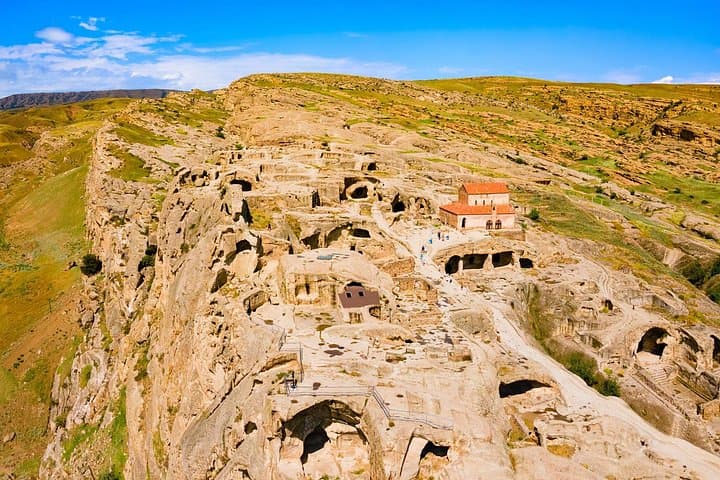
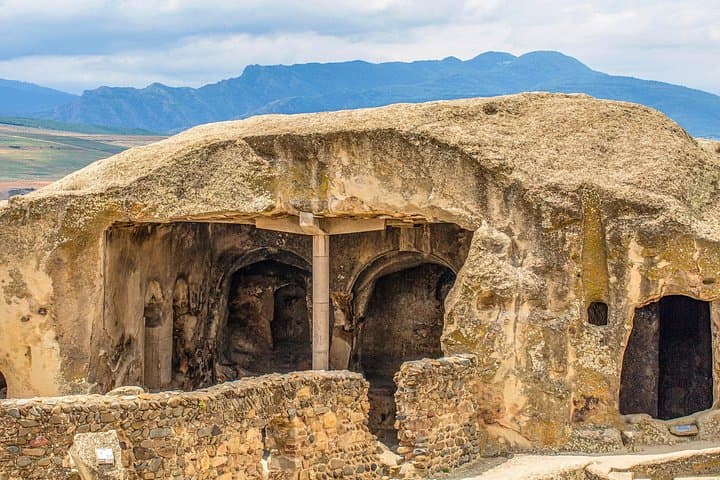
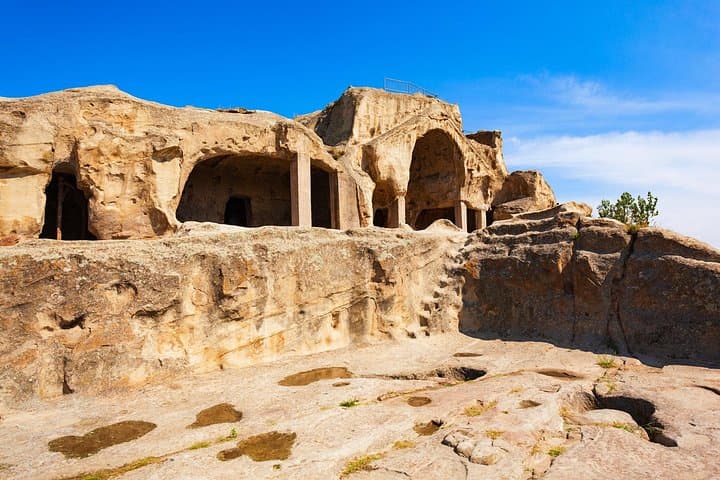

You leave Tbilisi by mid-morning, the city light slipping behind you as the road unfurls into low hills and vineyards. The driver pulls up near a cleft of rock and you step onto the ridge that holds Uplistsikhe — a rock-cut town where carved rooms and vaulted halls peer over the Mtkvari River. Stone steps slope underfoot; wind and time have given the facades character and danger in equal measure.
You leave Tbilisi by mid-morning, the city light slipping behind you as the road unfurls into low hills and vineyards. The driver pulls up near a cleft of rock and you step onto the ridge that holds Uplistsikhe — a rock-cut town where carved rooms and vaulted halls peer over the Mtkvari River. Stone steps slope underfoot; wind and time have given the facades character and danger in equal measure.
This route threads together Georgia’s layered past: Uplistsikhe’s Iron Age chambers and pagan-to-Christian transition, the 6th-century Jvari Monastery perched where the Mtkvari and Aragvi rivers dare you to look over their confluence, and Mtskheta’s Svetitskhoveli, which has been a coronation and burial site for centuries. Gori adds 20th-century weight with the Stalin Museum and a townscape scarred by more recent conflicts.
Expect uneven terrain and short steep climbs — many visits include 1–3 km of walking at each site and stair sections of roughly 50–150 m elevation gain. Surfaces are stone and packed dirt; rain can make them slippery.
Practical edge: churches enforce modest dress and women often need head coverings; carry local cash for small vendors; plan your visit early or late to avoid midday heat and tour bus crowds. Bring sturdy shoes, sun protection and a refillable water bottle. Your guide handles logistics and context; your job is to look up, listen, and leave the ruins as you found them.