THE ADVENTURE COLLECTIVE® · Independent discovery and booking for outdoor travel

Walk among geysers and living mātauranga Māori at Te Puia in Rotorua. This 90‑minute guided Te Rā experience pairs geothermal spectacle with hands-on arts and kiwi conservation.
Walk among geysers and living mātauranga Māori at Te Puia in Rotorua. This 90‑minute guided Te Rā experience pairs geothermal spectacle with hands-on arts and kiwi conservation.
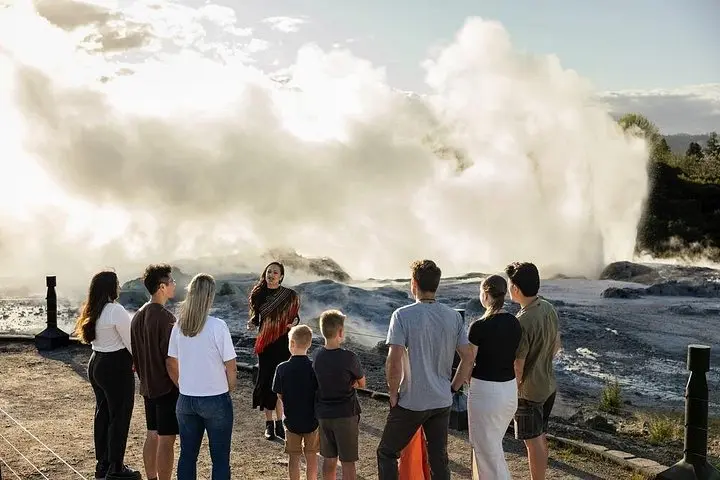
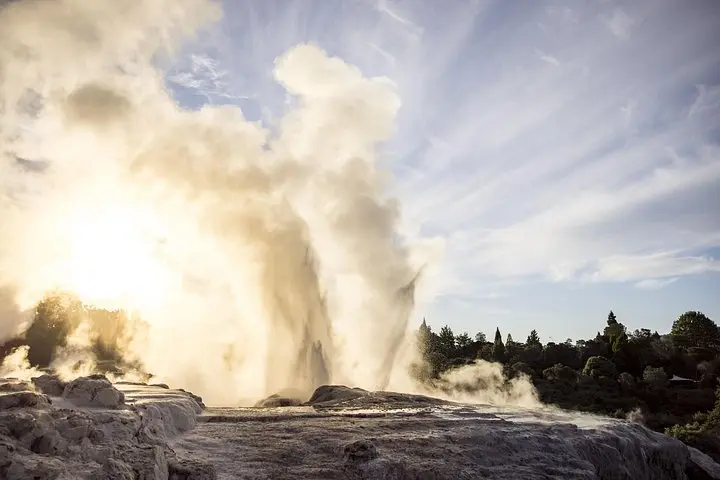
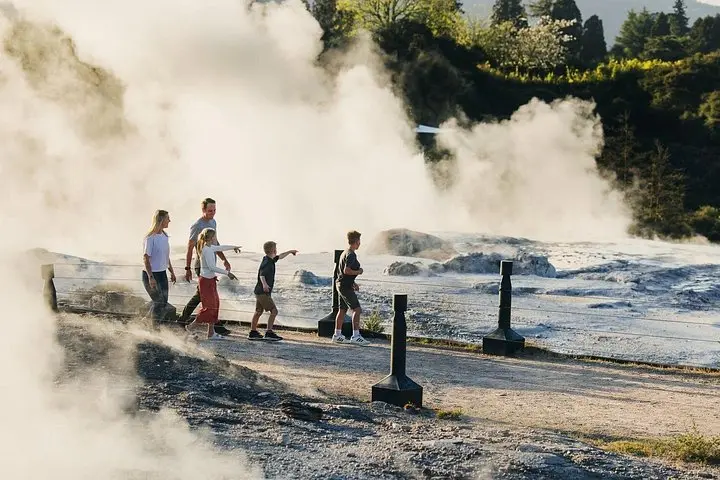
Steam threads through native kanuka and pōhutukawa as you step from the car park into Te Whakarewarewa Geothermal Valley. Within minutes the ground rumbles with subtle heat; Pōhutu Geyser punctuates the skyline, sending white water into the air while boardwalks direct you safely past bubbling mud and fumaroles that seem to breathe. Guides speak with quiet authority—stories tied to place, whakapapa and craft—making the land itself feel alive.
Verified experiences and guided adventures in the surrounding area.
Operated by Te Puia · Rotorua, Bay of Plenty
Steam threads through native kanuka and pōhutukawa as you step from the car park into Te Whakarewarewa Geothermal Valley. Within minutes the ground rumbles with subtle heat; Pōhutu Geyser punctuates the skyline, sending white water into the air while boardwalks direct you safely past bubbling mud and fumaroles that seem to breathe. Guides speak with quiet authority—stories tied to place, whakapapa and craft—making the land itself feel alive.
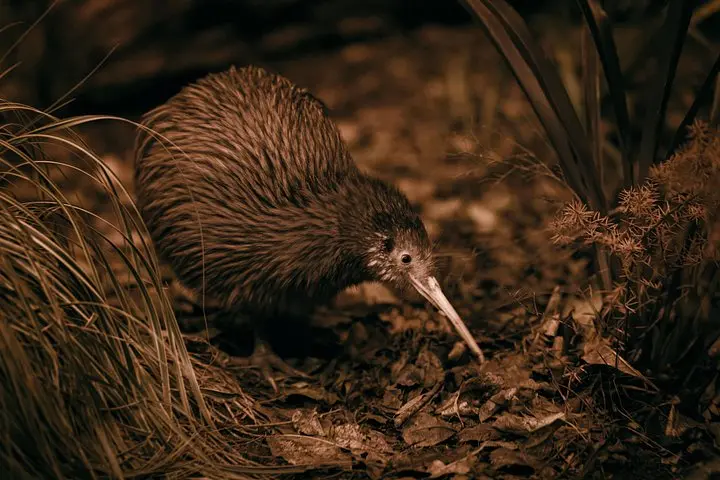
The site is both geological classroom and cultural campus. Te Puia sits where magma once reshaped the surface; the geothermal plumbing that feeds Pōhutu is an active demonstration of volcanic processes that forged much of Rotorua. Parallel to the earth’s steam, the New Zealand Māori Arts and Crafts Institute sustains time-honored skills in carving and weaving, and a dedicated nocturnal enclosure gives visitors a rare look at Aotearoa’s emblematic kiwi.
Practicalities are straightforward: the guided Te Rā experience runs about 90 minutes on accessible boardwalks with short distances and moderate steps. Wear closed-toe shoes and layered clothing—steam and shade create microclimates—and plan for soft ground and occasional sulphur scent. Respect marae protocols when on cultural sites; guides will cue when to remove hats or take photographs. For photographers, early or late bookings lower crowds and soften light; for families, paths are stroller- and wheelchair-friendly. The blend of geothermal spectacle, living Māori arts and hands-on conservation makes Te Puia an efficient, teachable, and memorable half-day in Rotorua.
The guided experience lasts about 90 minutes and covers geothermal features, the Māori Arts Institute, and the Kiwi Conservation Centre.
Yes—paths and main boardwalks are wheelchair- and stroller-accessible; staff can advise on the best routes.
Yes, the Kiwi Conservation Centre on site houses nocturnal kiwi viewing in a low-light enclosure as part of the visit.
Families are welcome; the site notes infants can use strollers and the experience is suitable for all fitness levels.
Te Puia operates guided outdoor trips and adventures with an emphasis on safety, stewardship, and memorable experiences.
Steam threads through native kanuka and pōhutukawa as you step from the car park into Te Whakarewarewa Geothermal Valley. Within minutes the ground rumbles with subtle heat; Pōhutu Geyser punctuates the skyline, sending white water into the air while boardwalks direct you safely past bubbling mud and fumaroles that seem to breathe. Guides speak with quiet authority—stories tied to place, whakapapa and craft—making the land itself feel alive.
Steam threads through native kanuka and pōhutukawa as you step from the car park into Te Whakarewarewa Geothermal Valley. Within minutes the ground rumbles with subtle heat; Pōhutu Geyser punctuates the skyline, sending white water into the air while boardwalks direct you safely past bubbling mud and fumaroles that seem to breathe. Guides speak with quiet authority—stories tied to place, whakapapa and craft—making the land itself feel alive.
The site is both geological classroom and cultural campus. Te Puia sits where magma once reshaped the surface; the geothermal plumbing that feeds Pōhutu is an active demonstration of volcanic processes that forged much of Rotorua. Parallel to the earth’s steam, the New Zealand Māori Arts and Crafts Institute sustains time-honored skills in carving and weaving, and a dedicated nocturnal enclosure gives visitors a rare look at Aotearoa’s emblematic kiwi.
Practicalities are straightforward: the guided Te Rā experience runs about 90 minutes on accessible boardwalks with short distances and moderate steps. Wear closed-toe shoes and layered clothing—steam and shade create microclimates—and plan for soft ground and occasional sulphur scent. Respect marae protocols when on cultural sites; guides will cue when to remove hats or take photographs. For photographers, early or late bookings lower crowds and soften light; for families, paths are stroller- and wheelchair-friendly. The blend of geothermal spectacle, living Māori arts and hands-on conservation makes Te Puia an efficient, teachable, and memorable half-day in Rotorua.