THE ADVENTURE COLLECTIVE® · Independent discovery and booking for outdoor travel

Spend a day in Sri Lanka’s highlands learning to pluck tea with estate workers, touring the Pedro Tea factory, and stopping at Ramboda Falls. Expect hands-on picking, a factory tasting, and sweeping highland views.
Spend a day in Sri Lanka’s highlands learning to pluck tea with estate workers, touring the Pedro Tea factory, and stopping at Ramboda Falls. Expect hands-on picking, a factory tasting, and sweeping highland views.
Morning light breaks over the central highlands as an air-conditioned vehicle threads the misty road from Kandy toward Pedro Tea Estate. Workers move like a practiced current through emerald rows, fingers flicking glossy leaves into woven baskets; the factory’s corrugated roofs clang with the steady rhythm of withering and rolling. Ramboda Falls announces itself before you reach it — two clean tiers of water punching through cliff and rock, spray catching light like scattered silver.
Verified experiences and guided adventures in the surrounding area.
Operated by Sigiritrip Tours · Kandy, Central Province
Morning light breaks over the central highlands as an air-conditioned vehicle threads the misty road from Kandy toward Pedro Tea Estate. Workers move like a practiced current through emerald rows, fingers flicking glossy leaves into woven baskets; the factory’s corrugated roofs clang with the steady rhythm of withering and rolling. Ramboda Falls announces itself before you reach it — two clean tiers of water punching through cliff and rock, spray catching light like scattered silver.
The route crosses land shaped by volcanic sediments and uplifted gneiss, where tea first took hold under colonial planters in the 19th century and became Sri Lanka’s global export. Planting patterns and estate bungalows still reflect that colonial legacy, while today’s pickers and factory staff carry centuries of local knowledge about timing, flushes, and flavour profiles.
Visitors get hands-on practice plucking, a guided look through the factory process from withering to oxidation to drying, and a tasting of fresh Ceylon teas — brisk, citrusy, and clean. Culture is tactile here: cup etiquette, grading terms (BOP, OP), and the cadence of a tea season shared by guides.
Practical guidance: wear closed shoes and light layers for damp mornings; bring a waterproof shell for sudden showers; allow 7–8 hours including travel from Kandy; carry cash for small purchases. Expect uneven plantation paths, short stair sections at the falls, and strong tea aromas inside the factory. The itinerary suits most fitness levels and rewards patience — the landscape and tea both reveal detail slowly, leaf by leaf.
The full experience including travel time runs about 7–8 hours (420–480 minutes) depending on traffic and stops.
Yes—plantation rows are walkable but uneven; guides can adapt the experience and there are viewing areas if you prefer not to walk far.
Yes—guided tasting at the factory is part of the itinerary and typically includes several grades of Ceylon tea.
Most tours include entrance and private transport as listed, but check your booking details for any optional extras.
Sigiritrip Tours operates guided outdoor trips and adventures with an emphasis on safety, stewardship, and memorable experiences.
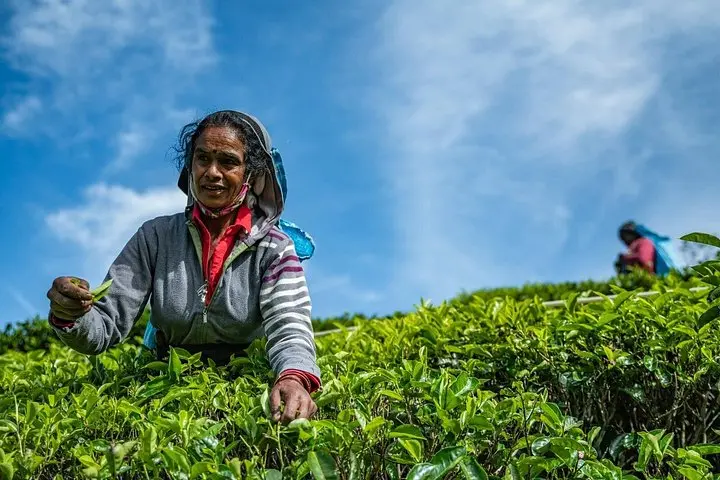
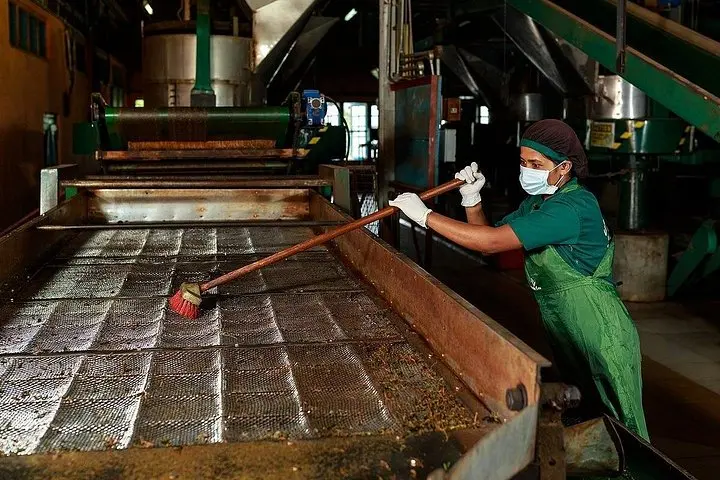
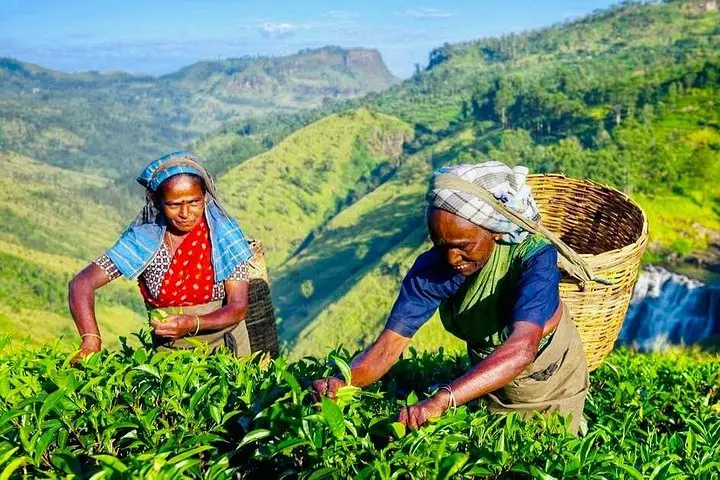
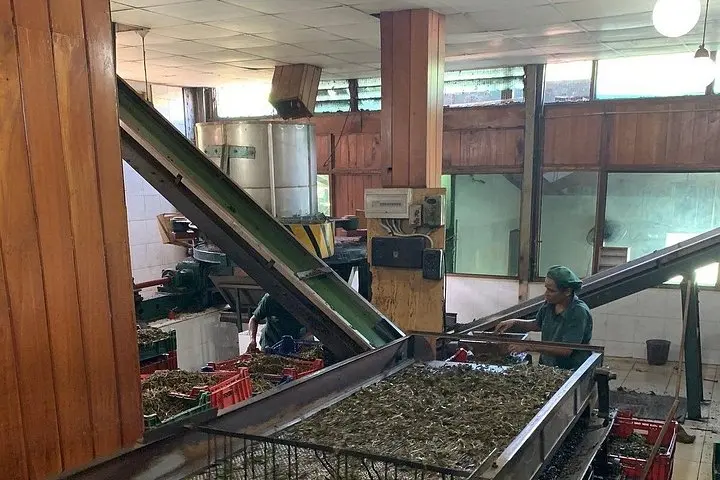
Morning light breaks over the central highlands as an air-conditioned vehicle threads the misty road from Kandy toward Pedro Tea Estate. Workers move like a practiced current through emerald rows, fingers flicking glossy leaves into woven baskets; the factory’s corrugated roofs clang with the steady rhythm of withering and rolling. Ramboda Falls announces itself before you reach it — two clean tiers of water punching through cliff and rock, spray catching light like scattered silver.
Morning light breaks over the central highlands as an air-conditioned vehicle threads the misty road from Kandy toward Pedro Tea Estate. Workers move like a practiced current through emerald rows, fingers flicking glossy leaves into woven baskets; the factory’s corrugated roofs clang with the steady rhythm of withering and rolling. Ramboda Falls announces itself before you reach it — two clean tiers of water punching through cliff and rock, spray catching light like scattered silver.
The route crosses land shaped by volcanic sediments and uplifted gneiss, where tea first took hold under colonial planters in the 19th century and became Sri Lanka’s global export. Planting patterns and estate bungalows still reflect that colonial legacy, while today’s pickers and factory staff carry centuries of local knowledge about timing, flushes, and flavour profiles.
Visitors get hands-on practice plucking, a guided look through the factory process from withering to oxidation to drying, and a tasting of fresh Ceylon teas — brisk, citrusy, and clean. Culture is tactile here: cup etiquette, grading terms (BOP, OP), and the cadence of a tea season shared by guides.
Practical guidance: wear closed shoes and light layers for damp mornings; bring a waterproof shell for sudden showers; allow 7–8 hours including travel from Kandy; carry cash for small purchases. Expect uneven plantation paths, short stair sections at the falls, and strong tea aromas inside the factory. The itinerary suits most fitness levels and rewards patience — the landscape and tea both reveal detail slowly, leaf by leaf.