THE ADVENTURE COLLECTIVE® · Independent discovery and booking for outdoor travel

Join estate workers in the fields and follow freshly plucked leaves through Pedro Tea Factory to see how Ceylon tea is made. This 2–3 hour excursion from Nuwara Eliya mixes hands-on plucking, factory walkthroughs, and local insights into estate life.
Join estate workers in the fields and follow freshly plucked leaves through Pedro Tea Factory to see how Ceylon tea is made. This 2–3 hour excursion from Nuwara Eliya mixes hands-on plucking, factory walkthroughs, and local insights into estate life.
Morning mist clings to the folds of the hill as you step onto the estate lane, the green rows of tea bushes reclining down the slope like a living quilt. Workers move with practiced rhythm, fingers pinching tiny buds that will become a cup of Ceylon tea; the air smells faintly vegetal and damp earth — a direct, tactile introduction to the island’s signature crop.
Verified experiences and guided adventures in the surrounding area.
Operated by Sigiritrip Tours · Nuwara Eliya, Central Province
Morning mist clings to the folds of the hill as you step onto the estate lane, the green rows of tea bushes reclining down the slope like a living quilt. Workers move with practiced rhythm, fingers pinching tiny buds that will become a cup of Ceylon tea; the air smells faintly vegetal and damp earth — a direct, tactile introduction to the island’s signature crop.
This tour pairs a guided tea-plucking slot with a walk through the Pedro tea factory where withering troughs, rollers and drying rooms reveal how leaves change from fresh leaf to fragrant black tea. The Central Highlands’ volcanic soils and high rainfall create the acidity and drainage that tea bushes prefer; the British planted many estates here in the late 1800s and Ceylon tea’s global reputation grew from those colonial-era operations.
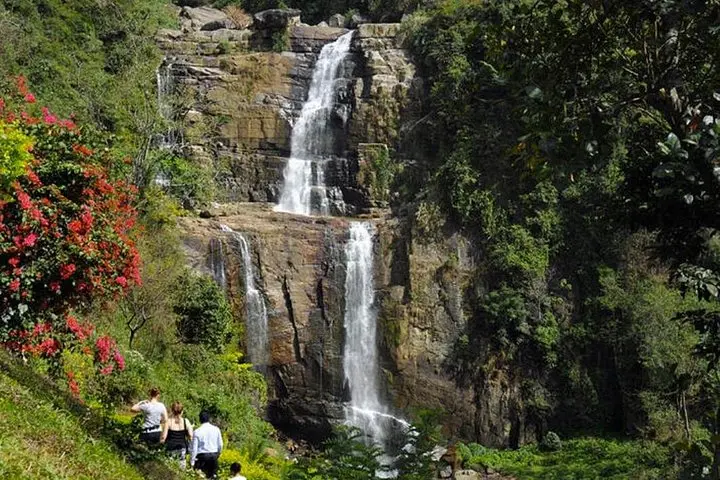
Beyond processing, the visit surfaces local culture: estate communities of Tamil and Sinhala workers, modest bungalow architecture, and small temple shrines tucked at field edges. Streams and waterfalls push through the estate, shaping access roads and adding cooling mist to the plucking terraces.
Practical notes: expect 2–3 hours total including transport from Nuwara Eliya, a mix of flat factory floors and uneven field tracks. Wear sturdy, closed-toe shoes and a light rain shell — weather can shift quickly. Photography and tasting are usually allowed, but follow guide directions inside the factory and ask before photographing workers. Bring small cash for tea purchases or to tip a plucker; mornings give the best light and the freshest activity on the bushes.
Most factory visits include a brief tasting of finished tea; confirm with the operator beforehand for special cupping sessions.
Typical bookings list 2–3 hours including transport time; exact duration depends on pickup location and traffic.
Plucking is light repetitive movement done standing or bending slightly — it’s suitable for most people and the guides adapt tasks for visitors.
Yes, tours are family-friendly but children should be supervised around machinery inside the factory and on slippery field sections.
Sigiritrip Tours operates guided outdoor trips and adventures with an emphasis on safety, stewardship, and memorable experiences.
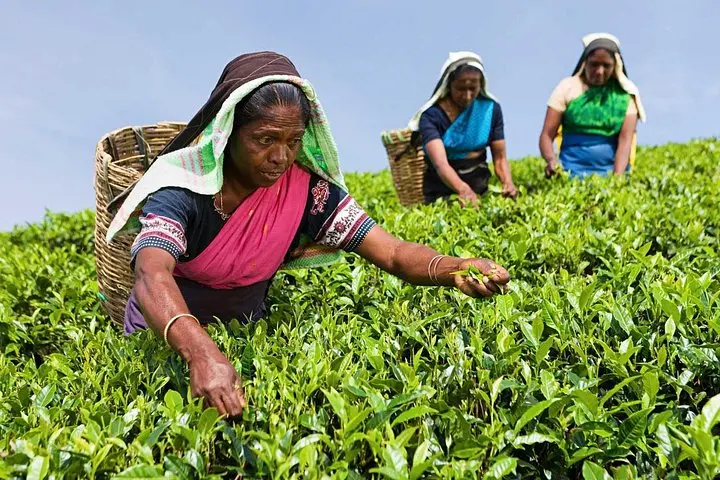
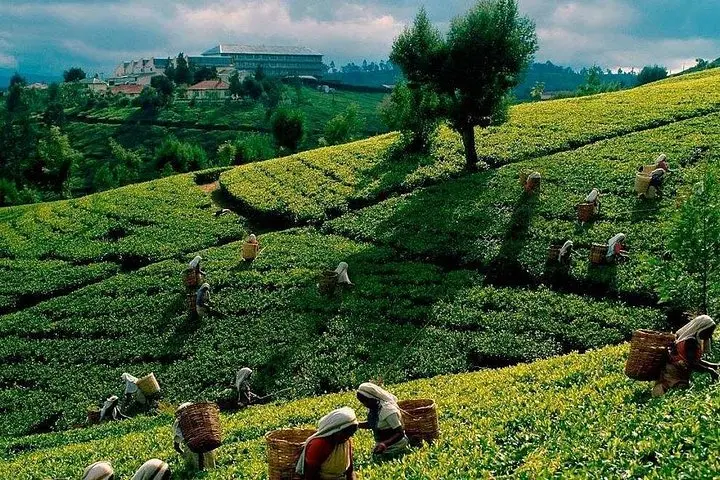

Morning mist clings to the folds of the hill as you step onto the estate lane, the green rows of tea bushes reclining down the slope like a living quilt. Workers move with practiced rhythm, fingers pinching tiny buds that will become a cup of Ceylon tea; the air smells faintly vegetal and damp earth — a direct, tactile introduction to the island’s signature crop.
Morning mist clings to the folds of the hill as you step onto the estate lane, the green rows of tea bushes reclining down the slope like a living quilt. Workers move with practiced rhythm, fingers pinching tiny buds that will become a cup of Ceylon tea; the air smells faintly vegetal and damp earth — a direct, tactile introduction to the island’s signature crop.
This tour pairs a guided tea-plucking slot with a walk through the Pedro tea factory where withering troughs, rollers and drying rooms reveal how leaves change from fresh leaf to fragrant black tea. The Central Highlands’ volcanic soils and high rainfall create the acidity and drainage that tea bushes prefer; the British planted many estates here in the late 1800s and Ceylon tea’s global reputation grew from those colonial-era operations.
Beyond processing, the visit surfaces local culture: estate communities of Tamil and Sinhala workers, modest bungalow architecture, and small temple shrines tucked at field edges. Streams and waterfalls push through the estate, shaping access roads and adding cooling mist to the plucking terraces.
Practical notes: expect 2–3 hours total including transport from Nuwara Eliya, a mix of flat factory floors and uneven field tracks. Wear sturdy, closed-toe shoes and a light rain shell — weather can shift quickly. Photography and tasting are usually allowed, but follow guide directions inside the factory and ask before photographing workers. Bring small cash for tea purchases or to tip a plucker; mornings give the best light and the freshest activity on the bushes.