THE ADVENTURE COLLECTIVE® · Independent discovery and booking for outdoor travel

Spend a day crossing Ubud’s cultural map: artisan villages, the sculpted rice benches of Tegalalang, and the riverside rock shrines of Gunung Kawi. This private-car tour combines short walks, market stops, and temple visits for a compact introduction to central Bali.
Spend a day crossing Ubud’s cultural map: artisan villages, the sculpted rice benches of Tegalalang, and the riverside rock shrines of Gunung Kawi. This private-car tour combines short walks, market stops, and temple visits for a compact introduction to central Bali.
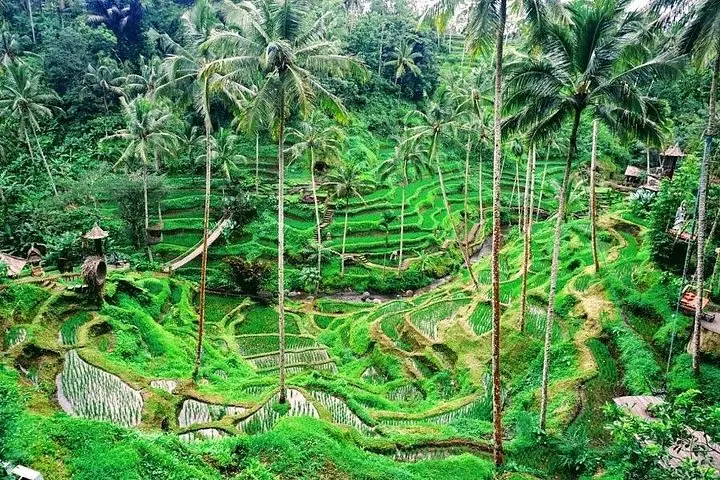
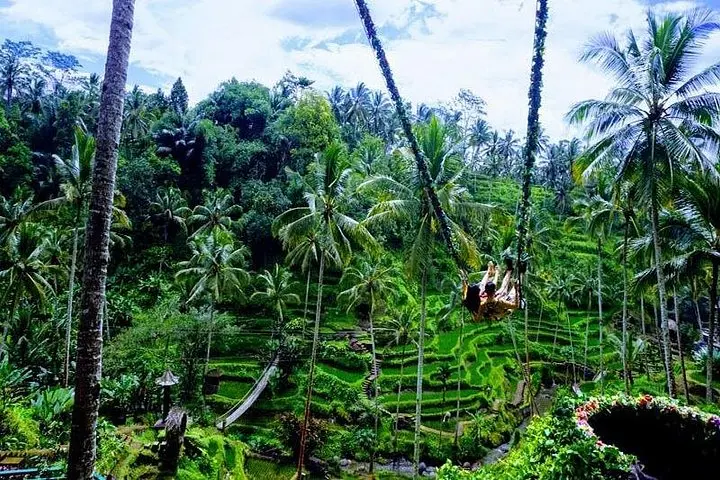
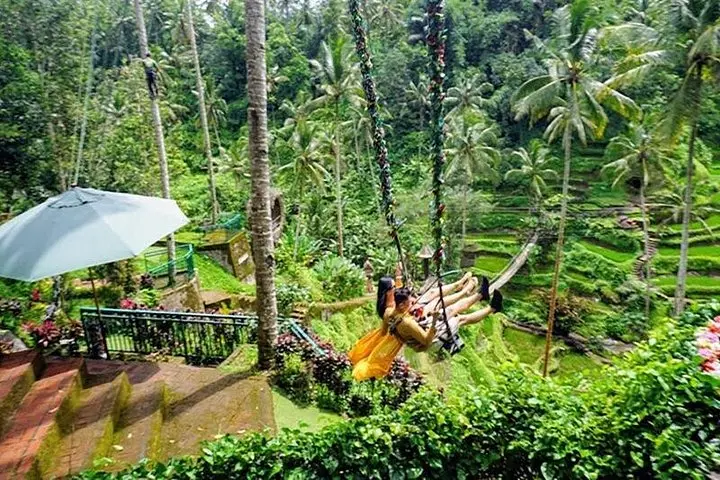
You step out of a private car and the valley breathes around you: terraced rice benches slope like steps carved into green light, while a river far below glints between palms. The day unfolds as a driving circuit through central Bali — artisan villages, a bustling market, and riverside temple cuts into volcanic tuff.
Verified experiences and guided adventures in the surrounding area.
Operated by Sewa Mobil Bali · Ubud, Bali
You step out of a private car and the valley breathes around you: terraced rice benches slope like steps carved into green light, while a river far below glints between palms. The day unfolds as a driving circuit through central Bali — artisan villages, a bustling market, and riverside temple cuts into volcanic tuff.
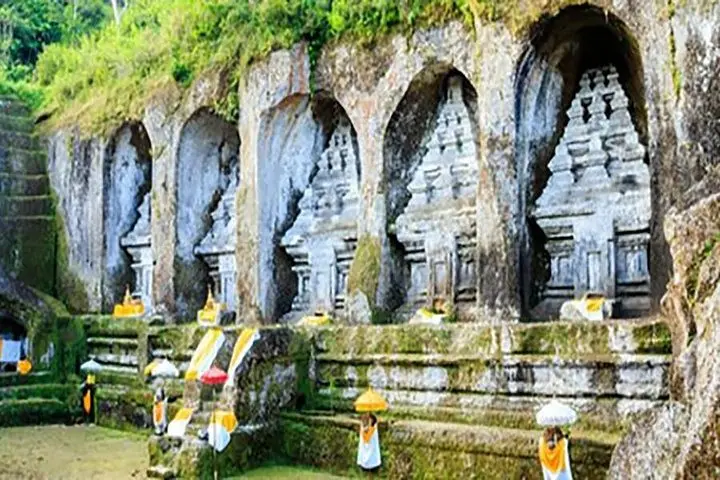
This route threads history and geology. Ubud grew as a royal and artistic center; Ubud Palace and its market retain the rhythms of performance and craft. Tegalalang’s terraces are a local expression of the subak irrigation system, a cooperative water management practice that dates back centuries and shapes the agricultural landscape. Downriver at Gunung Kawi, 11th-century rock-cut shrines are carved into the gorge walls, their faces looking over the Pakerisan River and offering clear evidence of Bali’s ancient dynastic culture.
Culturally the day balances craft and ceremony: Celuk’s silversmiths, Mas’s woodcarvers, and Ubud’s painters show the island’s living arts. Expect uneven stone steps at temple sites, short walks through rice-field paths, and opportunities to observe farmers and temple rituals.
Practical guidance: the tour runs about 10 hours with multiple short stops; wear good walking shoes, bring sun protection and small change for offerings and market purchases. Hydrate between drives and carry a lightweight rain layer in the wet season. Plan for stair descents at Gunung Kawi and modest dress at temple sites. With a calm pace and local driver, this day gives a concentrated view of Bali’s landscape, craft, and sacred architecture.
Most private car tours do not include site entrance fees; bring cash for local donations and any optional activities.
Yes — the itinerary allows about 60–90 minutes at Ubud Market and the Palace for browsing local crafts.
Yes; the tour is classified as easy but Gunung Kawi involves steep stairs, so mobility limitations should be discussed with the operator beforehand.
This product includes a private car and English-speaking driver; confirm pickup and any special requests when booking.
Sewa Mobil Bali operates guided outdoor trips and adventures with an emphasis on safety, stewardship, and memorable experiences.
You step out of a private car and the valley breathes around you: terraced rice benches slope like steps carved into green light, while a river far below glints between palms. The day unfolds as a driving circuit through central Bali — artisan villages, a bustling market, and riverside temple cuts into volcanic tuff.
You step out of a private car and the valley breathes around you: terraced rice benches slope like steps carved into green light, while a river far below glints between palms. The day unfolds as a driving circuit through central Bali — artisan villages, a bustling market, and riverside temple cuts into volcanic tuff.
This route threads history and geology. Ubud grew as a royal and artistic center; Ubud Palace and its market retain the rhythms of performance and craft. Tegalalang’s terraces are a local expression of the subak irrigation system, a cooperative water management practice that dates back centuries and shapes the agricultural landscape. Downriver at Gunung Kawi, 11th-century rock-cut shrines are carved into the gorge walls, their faces looking over the Pakerisan River and offering clear evidence of Bali’s ancient dynastic culture.
Culturally the day balances craft and ceremony: Celuk’s silversmiths, Mas’s woodcarvers, and Ubud’s painters show the island’s living arts. Expect uneven stone steps at temple sites, short walks through rice-field paths, and opportunities to observe farmers and temple rituals.
Practical guidance: the tour runs about 10 hours with multiple short stops; wear good walking shoes, bring sun protection and small change for offerings and market purchases. Hydrate between drives and carry a lightweight rain layer in the wet season. Plan for stair descents at Gunung Kawi and modest dress at temple sites. With a calm pace and local driver, this day gives a concentrated view of Bali’s landscape, craft, and sacred architecture.