THE ADVENTURE COLLECTIVE® · Independent discovery and booking for outdoor travel

A compact, interpretive transfer from Lake Tekapo to Aoraki/Mt Cook that pairs comfort with curated photo stops at Lake Pukaki and park viewpoints. Ideal for travelers who want a guided, one-way connection to world-class alpine trails.
A compact, interpretive transfer from Lake Tekapo to Aoraki/Mt Cook that pairs comfort with curated photo stops at Lake Pukaki and park viewpoints. Ideal for travelers who want a guided, one-way connection to world-class alpine trails.
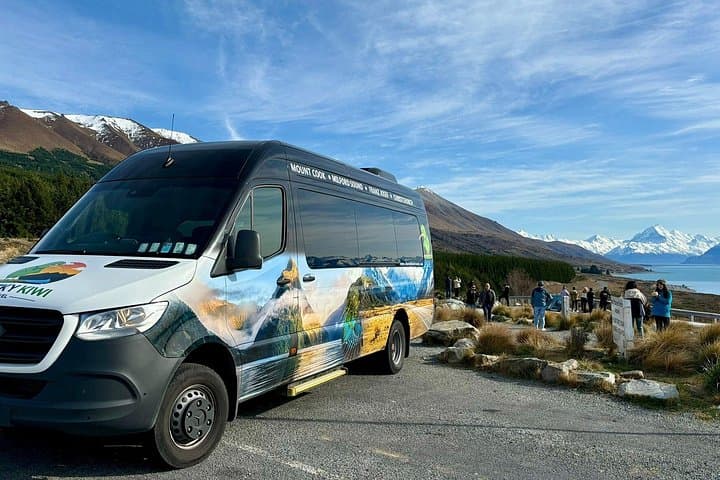
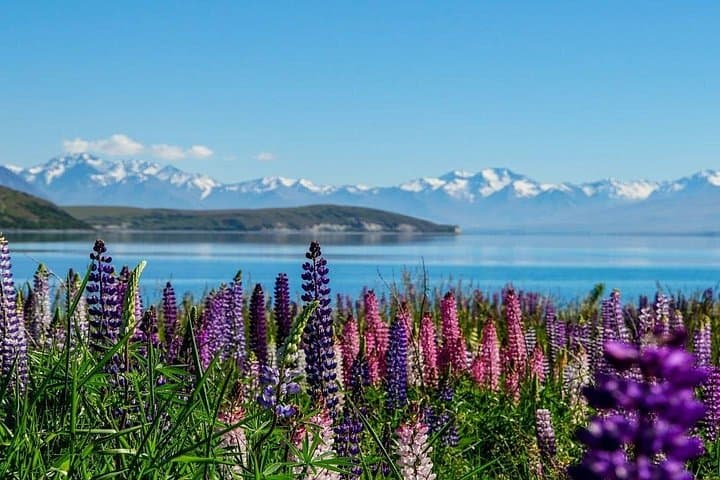
You climb aboard a tidy mini‑bus in Lake Tekapo and the Mackenzie Basin opens up like a moving panorama—big sky above, intense turquoise lakes below, and distant Aoraki / Mt Cook growing larger with each winding kilo.
Verified experiences and guided adventures in the surrounding area.
Operated by Cheeky Kiwi Travel · Lake Tekapo, Canterbury
You climb aboard a tidy mini‑bus in Lake Tekapo and the Mackenzie Basin opens up like a moving panorama—big sky above, intense turquoise lakes below, and distant Aoraki / Mt Cook growing larger with each winding kilo.
The route follows glacially carved valleys and braided rivers shaped during the last ice age; Lake Pukaki’s milky-blue hue comes from finely ground rock flour suspended in the water, while Aoraki’s craggy flanks are composed of grey schist and greywacke capped by perennial snow. Ngāi Tahu place names and oral history thread through the landscape; Aoraki is both a mountain and a taonga with cultural significance.
Guides on small-group transfers often add local color—stories of early surveyors, hydro canals that altered water flow in the 20th century, and the region’s designation as part of the Aoraki Mackenzie International Dark Sky Reserve. Wildlife is low-key but present: you may spot grazing hare, kea in alpine reaches, and waterfowl along the shorelines.
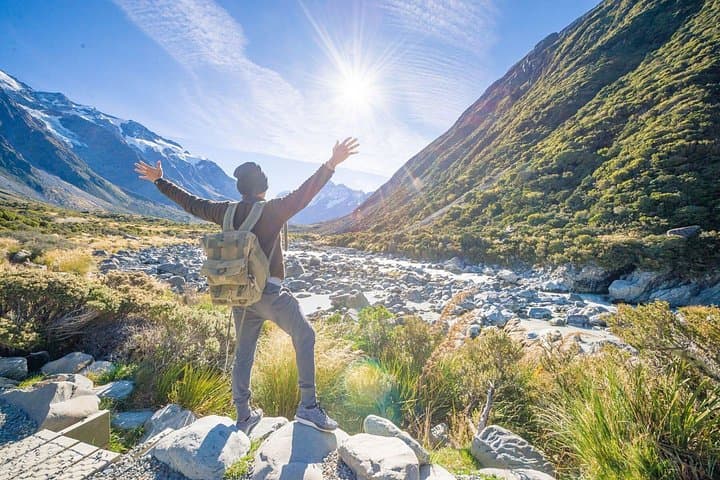
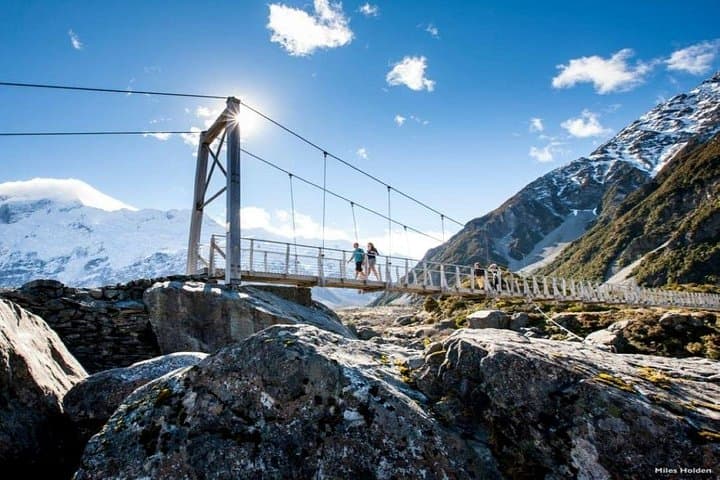
Practical guidance: the trip is essentially a comfortable transfer with photo stops—arrive layered for wind and sun, carry a camera and a small daypack, and expect short viewpoint breaks at Pukaki and pullouts near the national park. If you plan to hike in Aoraki National Park after drop-off, bring sturdy footwear and 3 litres of water; trails like Hooker Valley are exposed and can change quickly with weather. For travelers wanting a streamlined, interpretive transfer between Tekapo and Mt Cook, this small-group run balances comfort, local insight, and direct access to world-class views.
The advertised one-way transfer blocks about 60 minutes of driving time between Tekapo and Mt Cook, with additional time at stops for photos.
Yes—guides can drop you at accommodation or at trailheads like Hooker Valley or the Tasman Glacier walks; confirm when booking.
The service allows one large and one small bag per person; larger or excess luggage should be discussed with the operator in advance.
Yes—water and light snacks are typically provided; bring extra water if you plan to hike after drop-off.
Cheeky Kiwi Travel operates guided outdoor trips and adventures with an emphasis on safety, stewardship, and memorable experiences.
You climb aboard a tidy mini‑bus in Lake Tekapo and the Mackenzie Basin opens up like a moving panorama—big sky above, intense turquoise lakes below, and distant Aoraki / Mt Cook growing larger with each winding kilo.
You climb aboard a tidy mini‑bus in Lake Tekapo and the Mackenzie Basin opens up like a moving panorama—big sky above, intense turquoise lakes below, and distant Aoraki / Mt Cook growing larger with each winding kilo.
The route follows glacially carved valleys and braided rivers shaped during the last ice age; Lake Pukaki’s milky-blue hue comes from finely ground rock flour suspended in the water, while Aoraki’s craggy flanks are composed of grey schist and greywacke capped by perennial snow. Ngāi Tahu place names and oral history thread through the landscape; Aoraki is both a mountain and a taonga with cultural significance.
Guides on small-group transfers often add local color—stories of early surveyors, hydro canals that altered water flow in the 20th century, and the region’s designation as part of the Aoraki Mackenzie International Dark Sky Reserve. Wildlife is low-key but present: you may spot grazing hare, kea in alpine reaches, and waterfowl along the shorelines.
Practical guidance: the trip is essentially a comfortable transfer with photo stops—arrive layered for wind and sun, carry a camera and a small daypack, and expect short viewpoint breaks at Pukaki and pullouts near the national park. If you plan to hike in Aoraki National Park after drop-off, bring sturdy footwear and 3 litres of water; trails like Hooker Valley are exposed and can change quickly with weather. For travelers wanting a streamlined, interpretive transfer between Tekapo and Mt Cook, this small-group run balances comfort, local insight, and direct access to world-class views.