THE ADVENTURE COLLECTIVE® · Independent discovery and booking for outdoor travel

Turn a kitchen into a classroom: FoodGames blends a quiz-based introduction to Israeli-Arab flavors with a hands-on vegan cooking session where you prepare falafel, mujaddara and more.
Turn a kitchen into a classroom: FoodGames blends a quiz-based introduction to Israeli-Arab flavors with a hands-on vegan cooking session where you prepare falafel, mujaddara and more.
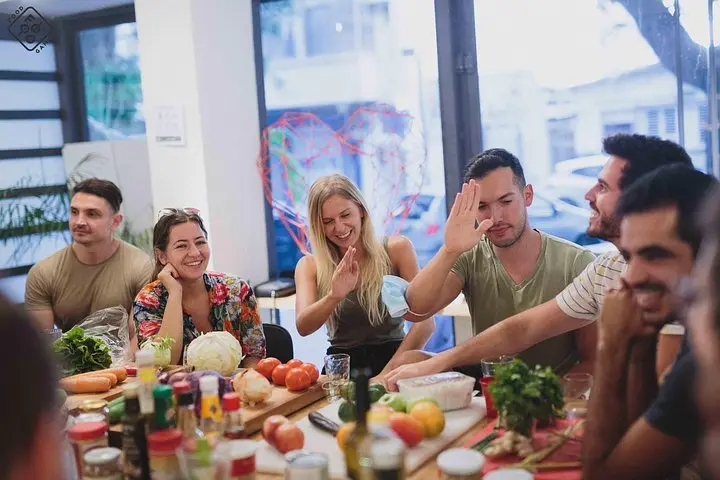
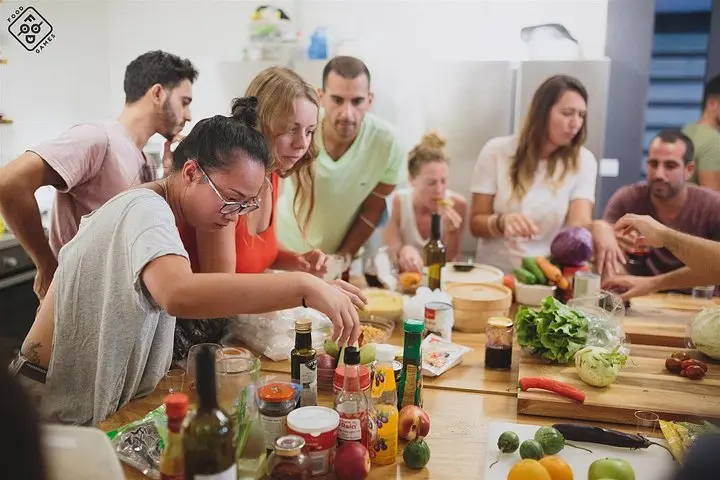
A bright kitchen hums with conversation and the citrusy scent of za’atar as sunlight angles through a high window.
Participants gather around a long counter, quiz cards in hand—this is part game, part culinary workshop where the Mediterranean and Levant meet on a cutting board.
Verified experiences and guided adventures in the surrounding area.
Operated by Food games · Tel Aviv, Tel Aviv District
A bright kitchen hums with conversation and the citrusy scent of za’atar as sunlight angles through a high window.
Participants gather around a long counter, quiz cards in hand—this is part game, part culinary workshop where the Mediterranean and Levant meet on a cutting board.
The class frames Israeli-Arab cooking as living tradition: recipes shaped by Ottoman trade routes, coastal harvests, and generations of home cooks who favored legumes, olive oil and preserved lemons. The coastline’s sandy soil and salty air have long steered local gardens toward resilient greens and herbs—tasters will notice that thyme and parsley bite differently here than inland.
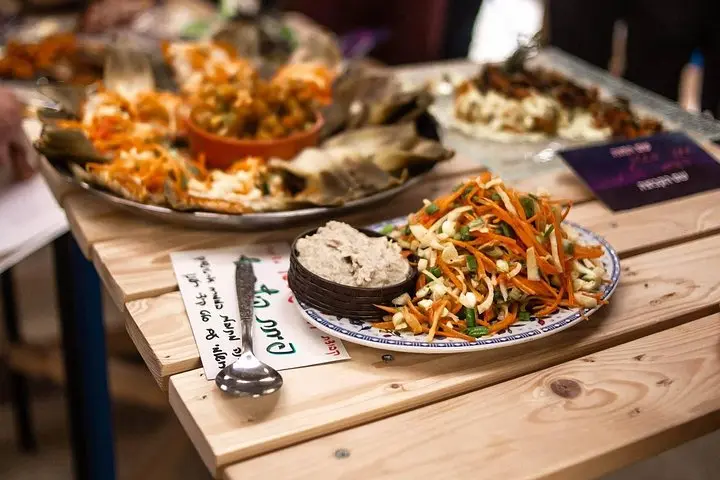
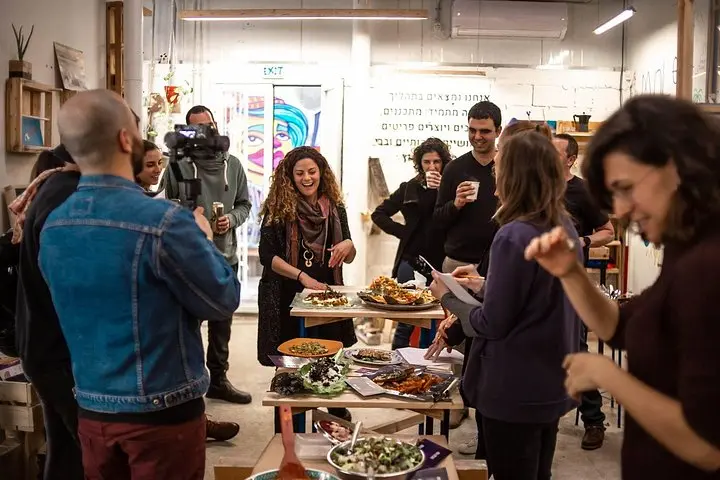
Culturally, the session highlights communal eating and plant-forward dishes: rainbow falafel, mujaddara and a vegan Sinaia stew that illustrate how simple pantry staples become layered with spice and technique. The FoodGames format teaches through short, competitive quizzes, a quick primer on herbs and spices, then a hands-on cook-and-eat segment—expect roughly 15 minutes of play, 15 minutes of focused learning, and an hour of cooking and sharing.
Practical guidance: arrive 10–15 minutes early, bring allergy information and a charged phone for photos. Wear closed-toe shoes and comfortable layers; kitchens can be humid from steam. The class is wheelchair accessible and family-friendly, but notify hosts of dietary restrictions when booking. Public transit reaches central Tel Aviv easily, and the operator’s 24-hour cancellation window applies. This is a compact, social way to learn regional technique, practice hands-on recipes, and leave with a keener sense of Tel Aviv’s edible traditions.
Meetings are in a centrally located kitchen with good public-transport access; exact address and arrival instructions are provided on booking confirmation.
Yes—hosts accommodate common dietary needs; notify them when booking and repeat on arrival so they can prepare alternatives.
Yes—the activity is family-friendly and stroller accessible, though children should be supervised near hot surfaces and knives.
This offering is listed as a private tour per booking, designed for small groups; verify capacity with the operator when reserving.
Food games operates guided outdoor trips and adventures with an emphasis on safety, stewardship, and memorable experiences.
A bright kitchen hums with conversation and the citrusy scent of za’atar as sunlight angles through a high window.
Participants gather around a long counter, quiz cards in hand—this is part game, part culinary workshop where the Mediterranean and Levant meet on a cutting board.
A bright kitchen hums with conversation and the citrusy scent of za’atar as sunlight angles through a high window.
Participants gather around a long counter, quiz cards in hand—this is part game, part culinary workshop where the Mediterranean and Levant meet on a cutting board.
The class frames Israeli-Arab cooking as living tradition: recipes shaped by Ottoman trade routes, coastal harvests, and generations of home cooks who favored legumes, olive oil and preserved lemons. The coastline’s sandy soil and salty air have long steered local gardens toward resilient greens and herbs—tasters will notice that thyme and parsley bite differently here than inland.
Culturally, the session highlights communal eating and plant-forward dishes: rainbow falafel, mujaddara and a vegan Sinaia stew that illustrate how simple pantry staples become layered with spice and technique. The FoodGames format teaches through short, competitive quizzes, a quick primer on herbs and spices, then a hands-on cook-and-eat segment—expect roughly 15 minutes of play, 15 minutes of focused learning, and an hour of cooking and sharing.
Practical guidance: arrive 10–15 minutes early, bring allergy information and a charged phone for photos. Wear closed-toe shoes and comfortable layers; kitchens can be humid from steam. The class is wheelchair accessible and family-friendly, but notify hosts of dietary restrictions when booking. Public transit reaches central Tel Aviv easily, and the operator’s 24-hour cancellation window applies. This is a compact, social way to learn regional technique, practice hands-on recipes, and leave with a keener sense of Tel Aviv’s edible traditions.