THE ADVENTURE COLLECTIVE® · Independent discovery and booking for outdoor travel

Telaga Waja offers a pulse-quickening river run fed by Mount Agung springs: Class III–IV rapids, roughly 16–18 km, and about 2–2.5 hours on the water. This guide covers what to expect, safety basics, and practical tips for planning your Bali rafting day.
Telaga Waja offers a pulse-quickening river run fed by Mount Agung springs: Class III–IV rapids, roughly 16–18 km, and about 2–2.5 hours on the water. This guide covers what to expect, safety basics, and practical tips for planning your Bali rafting day.
The raft crests a shoulder of river and the current seems to hurry the boat forward, as if the springs of Mount Agung are impatient to meet the sea. On Telaga Waja River, water pushes and teases in quick succession — steep chutes of Class III–IV that alternate with calmer pools, framed by jungle tangles and irrigated rice paddies sliding down the valley.
Verified experiences and guided adventures in the surrounding area.
Operated by GP Bali Tour · Sidemen, Bali
The raft crests a shoulder of river and the current seems to hurry the boat forward, as if the springs of Mount Agung are impatient to meet the sea. On Telaga Waja River, water pushes and teases in quick succession — steep chutes of Class III–IV that alternate with calmer pools, framed by jungle tangles and irrigated rice paddies sliding down the valley.
Geology here is recent volcanic work: runoff from Mount Agung carves through volcanic ash and riverine boulders, producing narrow channels and the punchy drops that make the run lively. Culturally, the river has long been part of Bali’s agrarian life; irrigation temples and small roadside shrines mark villages whose farmers read the seasons by the flow.
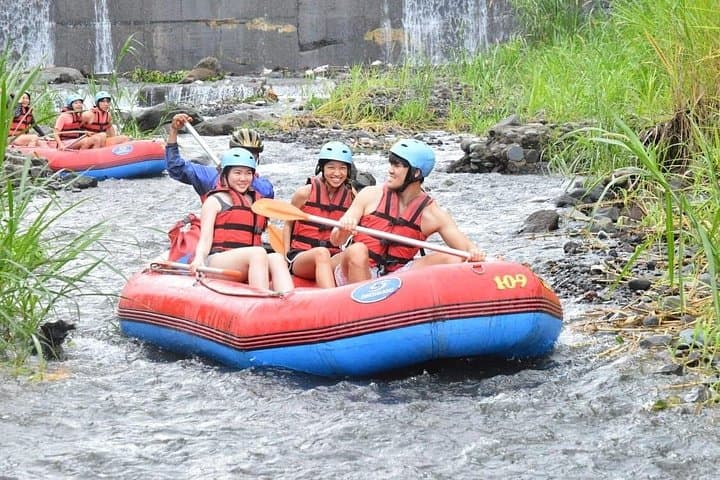
Expect roughly 16–18 km on the river and about 2–2.5 hours of rafting time; guides brief groups carefully and handle steering and safety for novice paddlers. The route mixes fast rapids that require coordinated paddling with restful eddies where you can scan for kingfishers or the odd macaque on the bank.
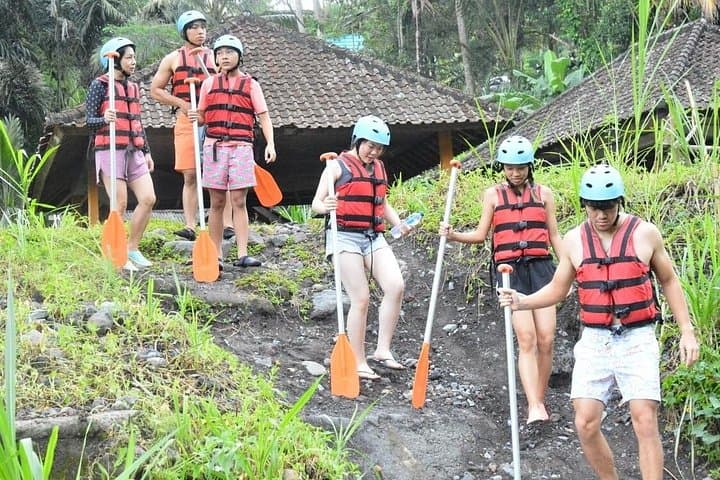
Practical guidance: arrive in quick-dry clothes and water shoes, listen closely during the pre-launch safety talk, and keep phones in the waterproof bag provided. Operators usually include pickup from major tourist hubs, equipment, a simple Indonesian buffet lunch, and shower/change facilities after the run. Not recommended for those with serious heart conditions or pregnancy. Timing your trip for the morning often yields clearer light and cooler air; afternoon runs can be warmer and busier. Pack out trash, follow guides’ instructions, and consider local tipping customs to support the small-team crews who run these trips.
Age limits vary by operator but many accept children around 6 years old with parental consent and provided life jackets; always confirm when booking.
The trip is moderate: guided groups handle most steering, but guests should be prepared for short paddling bursts and getting in and out of the raft.
Many operators include return transportation from common tourist hubs such as Ubud, Kuta, and Sanur; confirm your pickup point when you book.
Operators monitor river conditions; heavy rain can make rapids stronger and may lead to cancellation or rescheduling for safety — ask about refund policies when booking.
GP Bali Tour operates guided outdoor trips and adventures with an emphasis on safety, stewardship, and memorable experiences.
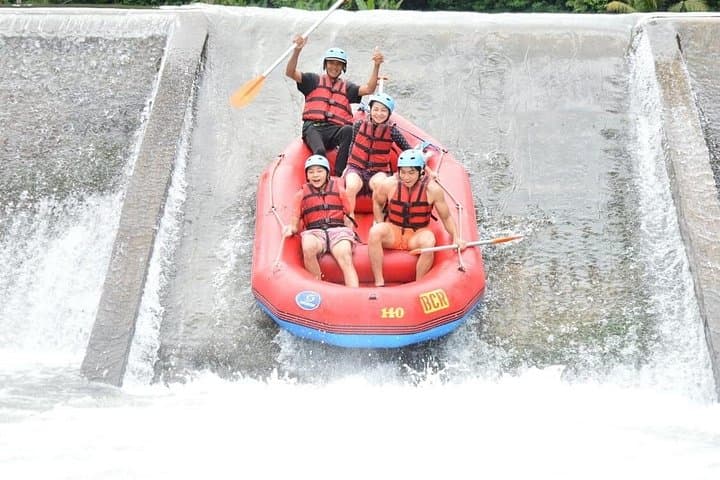
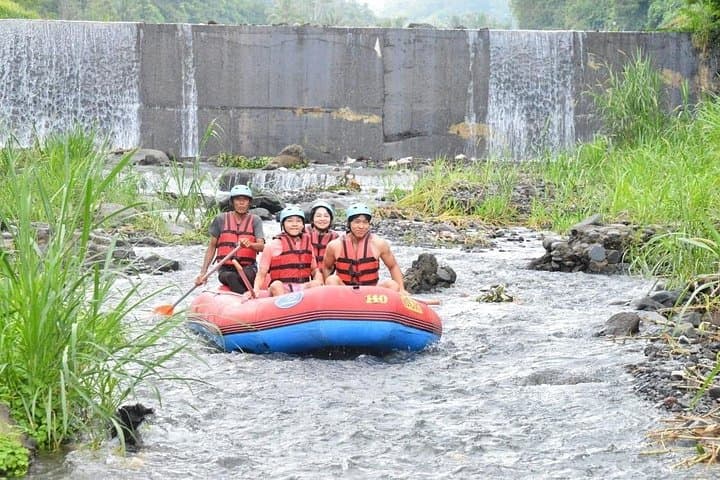
The raft crests a shoulder of river and the current seems to hurry the boat forward, as if the springs of Mount Agung are impatient to meet the sea. On Telaga Waja River, water pushes and teases in quick succession — steep chutes of Class III–IV that alternate with calmer pools, framed by jungle tangles and irrigated rice paddies sliding down the valley.
The raft crests a shoulder of river and the current seems to hurry the boat forward, as if the springs of Mount Agung are impatient to meet the sea. On Telaga Waja River, water pushes and teases in quick succession — steep chutes of Class III–IV that alternate with calmer pools, framed by jungle tangles and irrigated rice paddies sliding down the valley.
Geology here is recent volcanic work: runoff from Mount Agung carves through volcanic ash and riverine boulders, producing narrow channels and the punchy drops that make the run lively. Culturally, the river has long been part of Bali’s agrarian life; irrigation temples and small roadside shrines mark villages whose farmers read the seasons by the flow.
Expect roughly 16–18 km on the river and about 2–2.5 hours of rafting time; guides brief groups carefully and handle steering and safety for novice paddlers. The route mixes fast rapids that require coordinated paddling with restful eddies where you can scan for kingfishers or the odd macaque on the bank.
Practical guidance: arrive in quick-dry clothes and water shoes, listen closely during the pre-launch safety talk, and keep phones in the waterproof bag provided. Operators usually include pickup from major tourist hubs, equipment, a simple Indonesian buffet lunch, and shower/change facilities after the run. Not recommended for those with serious heart conditions or pregnancy. Timing your trip for the morning often yields clearer light and cooler air; afternoon runs can be warmer and busier. Pack out trash, follow guides’ instructions, and consider local tipping customs to support the small-team crews who run these trips.