THE ADVENTURE COLLECTIVE® · Independent discovery and booking for outdoor travel
The San Miguel serves up steady Class II fun just down-valley from Telluride—splashy wave trains, red rock walls, and wildlife overhead. This half-day afternoon run balances approachable whitewater with big scenery and practical logistics for an easy add to any Telluride itinerary.
The San Miguel serves up steady Class II fun just down-valley from Telluride—splashy wave trains, red rock walls, and wildlife overhead. This half-day afternoon run balances approachable whitewater with big scenery and practical logistics for an easy add to any Telluride itinerary.
By midafternoon the San Miguel shakes off its mountain chill, shouldering through a red sandstone canyon where ponderosa pines lean in like curious spectators. The current keeps talking—push here, duck there—as your raft slides into the first wave train. Spray lifts, laughs echo off the walls, and the river invites you to play at its pace: quick, lively, never mean. This is classic San Juan country—high desert hues meeting alpine air—and it’s exactly why locals spend their afternoons on this water.
Verified experiences and guided adventures in the surrounding area.
Operated by Mild to Wild Rafting and Jeep Tours · Placerville, Colorado
By midafternoon the San Miguel shakes off its mountain chill, shouldering through a red sandstone canyon where ponderosa pines lean in like curious spectators. The current keeps talking—push here, duck there—as your raft slides into the first wave train. Spray lifts, laughs echo off the walls, and the river invites you to play at its pace: quick, lively, never mean. This is classic San Juan country—high desert hues meeting alpine air—and it’s exactly why locals spend their afternoons on this water.
The San Miguel is one of Colorado’s few truly free-flowing rivers, fed by snowmelt from the peaks above Telluride. By the time it slips past Placerville and widens toward Norwood Canyon, it settles into consistent Class II action: forgiving, splashy, and steady enough to keep paddles moving. It’s approachable for first-timers yet engaging for returning rafters who appreciate a corridor that rarely rests. Guides lean on thousands of river miles, reading the tongue of each rapid and mixing instruction with local lore—Ute homelands, Telluride’s mining past, and how vanadium once defined these down-valley towns.
Geology rides shotgun. Iron-rich cliffs glow rust-red while cottonwoods sketch green lines along the banks. Osprey patrol overhead, and if you’re lucky, a river otter will surface, slick and smug with a trout. The afternoon half-day run typically lasts about 2.5 hours, enough time to string together wave trains, hit playful drops, and still let the canyon breathe between bursts. Water temps remain cold even under a sharp Colorado sun, and at altitude the light can feel closer—bring sunscreen and respect the pace of dehydration.
Logistically it’s simple: meet at Caddis Flats Campground on CO-145, suit up with helmets and Coast Guard–approved PFDs, listen through a concise safety talk, and launch. You’ll paddle—this is a team sport—and you’ll practice clear, quick commands: forward, back, high-side when needed. Spring and early summer bring higher flows and more pop; late summer eases into a mellower rhythm. Minimum age is typically eight, and wetsuits are often required until July (rentals available on site), recommended all season.
This trip works as a Telluride afternoon: hike in the morning, raft after lunch, be back in time for town. It’s not the state’s biggest whitewater, and that’s the point. The San Miguel prefers cadence over chaos, daring you to sync with it: read the line, trust the guide, paddle with your crew. You’ll step off the raft damp, grinning, and already eyeing the pullouts along CO-145, where the river keeps hurrying west, asking who’s next.
This section of the San Miguel features mostly continuous Class II rapids—fun, splashy, and suitable for first-timers who are willing to paddle.
Strong swimming isn’t required, but you should be comfortable in water while wearing a PFD and able to follow guide instructions during a rescue.
Wear a swimsuit or quick-dry layers under a wetsuit in spring, plus secure footwear. In summer, avoid cotton; bring a light shell and sun protection.
Yes, the minimum age is typically 8 years old, dependent on river flows and guide discretion.
Small action cameras with a tether can work, but expect splashes and potential loss. Ask your guide about photo options or secure storage at the put-in.
Trips meet at Caddis Flats Campground on CO-145 near Placerville (GPS 38.027816, -108.091237). Look for the outfitter’s setup and guides at the river access.
Mild to Wild Rafting and Jeep Tours operates guided outdoor trips and adventures with an emphasis on safety, stewardship, and memorable experiences.
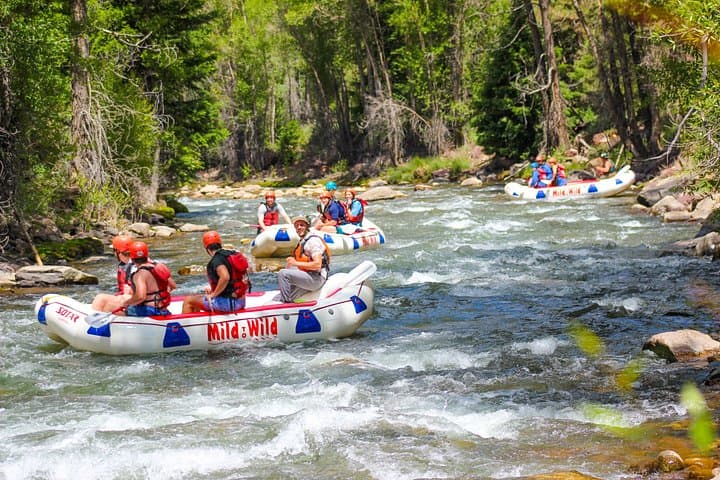

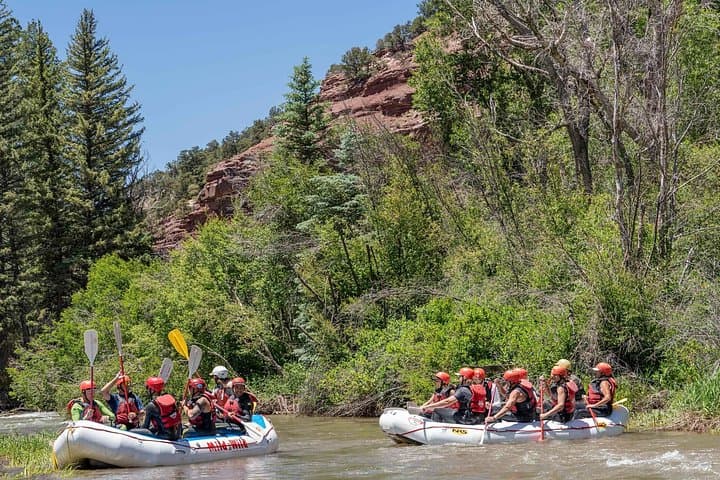
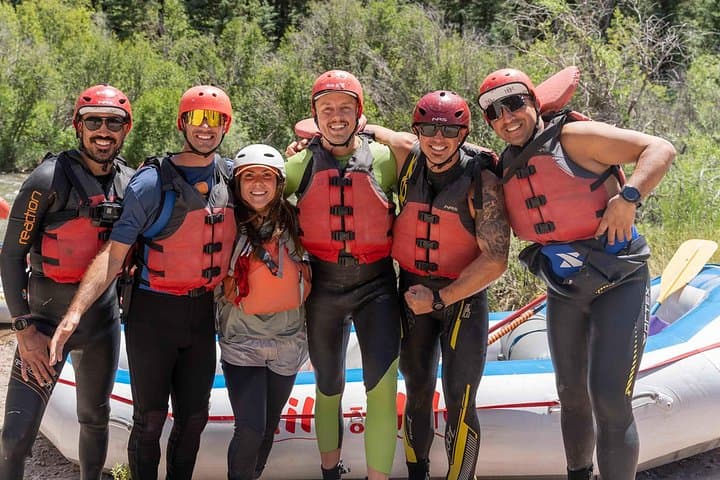
By midafternoon the San Miguel shakes off its mountain chill, shouldering through a red sandstone canyon where ponderosa pines lean in like curious spectators. The current keeps talking—push here, duck there—as your raft slides into the first wave train. Spray lifts, laughs echo off the walls, and the river invites you to play at its pace: quick, lively, never mean. This is classic San Juan country—high desert hues meeting alpine air—and it’s exactly why locals spend their afternoons on this water.
By midafternoon the San Miguel shakes off its mountain chill, shouldering through a red sandstone canyon where ponderosa pines lean in like curious spectators. The current keeps talking—push here, duck there—as your raft slides into the first wave train. Spray lifts, laughs echo off the walls, and the river invites you to play at its pace: quick, lively, never mean. This is classic San Juan country—high desert hues meeting alpine air—and it’s exactly why locals spend their afternoons on this water.
The San Miguel is one of Colorado’s few truly free-flowing rivers, fed by snowmelt from the peaks above Telluride. By the time it slips past Placerville and widens toward Norwood Canyon, it settles into consistent Class II action: forgiving, splashy, and steady enough to keep paddles moving. It’s approachable for first-timers yet engaging for returning rafters who appreciate a corridor that rarely rests. Guides lean on thousands of river miles, reading the tongue of each rapid and mixing instruction with local lore—Ute homelands, Telluride’s mining past, and how vanadium once defined these down-valley towns.
Geology rides shotgun. Iron-rich cliffs glow rust-red while cottonwoods sketch green lines along the banks. Osprey patrol overhead, and if you’re lucky, a river otter will surface, slick and smug with a trout. The afternoon half-day run typically lasts about 2.5 hours, enough time to string together wave trains, hit playful drops, and still let the canyon breathe between bursts. Water temps remain cold even under a sharp Colorado sun, and at altitude the light can feel closer—bring sunscreen and respect the pace of dehydration.
Logistically it’s simple: meet at Caddis Flats Campground on CO-145, suit up with helmets and Coast Guard–approved PFDs, listen through a concise safety talk, and launch. You’ll paddle—this is a team sport—and you’ll practice clear, quick commands: forward, back, high-side when needed. Spring and early summer bring higher flows and more pop; late summer eases into a mellower rhythm. Minimum age is typically eight, and wetsuits are often required until July (rentals available on site), recommended all season.
This trip works as a Telluride afternoon: hike in the morning, raft after lunch, be back in time for town. It’s not the state’s biggest whitewater, and that’s the point. The San Miguel prefers cadence over chaos, daring you to sync with it: read the line, trust the guide, paddle with your crew. You’ll step off the raft damp, grinning, and already eyeing the pullouts along CO-145, where the river keeps hurrying west, asking who’s next.
