THE ADVENTURE COLLECTIVE® · Independent discovery and booking for outdoor travel

Enter a traditional temazcal led by a local xaman, then cool off in a Yucatán cenote. This three‑hour ritual blends steam purification, ancestral chants, and a refreshing swim in clear karst waters.
Enter a traditional temazcal led by a local xaman, then cool off in a Yucatán cenote. This three‑hour ritual blends steam purification, ancestral chants, and a refreshing swim in clear karst waters.
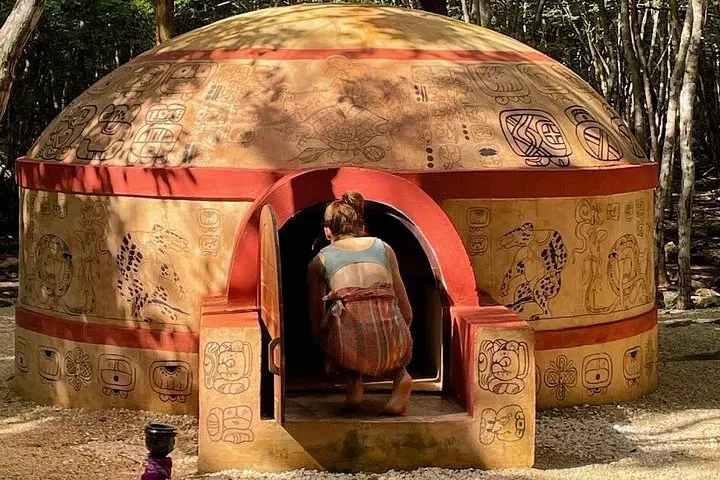
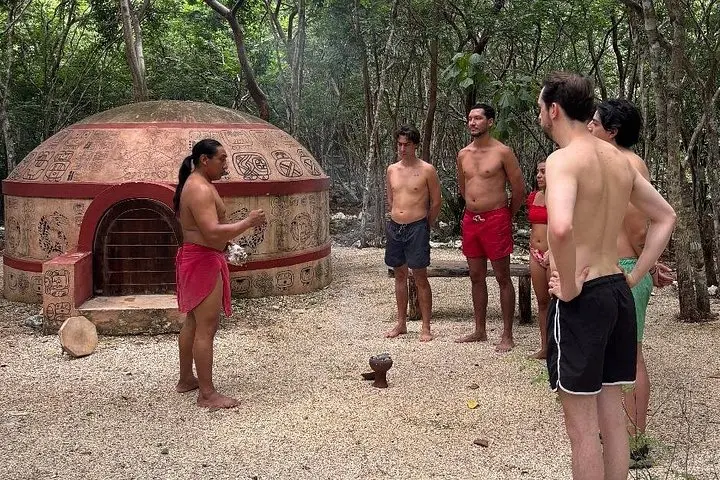
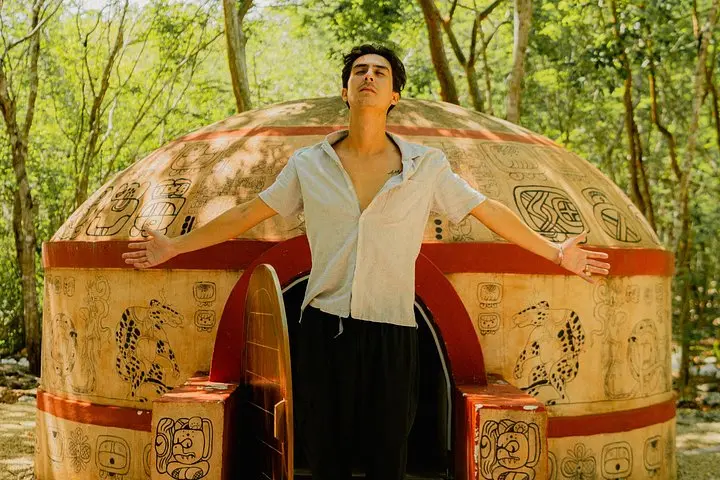
The evening air sits heavy with humidity as a small group gathers at the edge of a limestone sinkhole. Palms rustle; the xaman lights a low fire and arranges warmed volcanic stones—called the grandmothers—while the cenote below waits cool and dark. You move from the shadowed temazcal to open water, the steam behind you and the cenote's clear pool daring you to cool off.
Verified experiences and guided adventures in the surrounding area.
Operated by Cenote Secreto Maya · Valladolid, Yucatán
The evening air sits heavy with humidity as a small group gathers at the edge of a limestone sinkhole. Palms rustle; the xaman lights a low fire and arranges warmed volcanic stones—called the grandmothers—while the cenote below waits cool and dark. You move from the shadowed temazcal to open water, the steam behind you and the cenote's clear pool daring you to cool off.
Temazcal ceremonies trace to pre‑Hispanic Mesoamerica: steam purification used by Maya and other indigenous peoples for physical and spiritual renewal. The cenotes of the northern Yucatán formed when collapsing karst limestone opened access to an underground freshwater network, and were long treated as sacred entrances to the underworld as well as vital water sources.
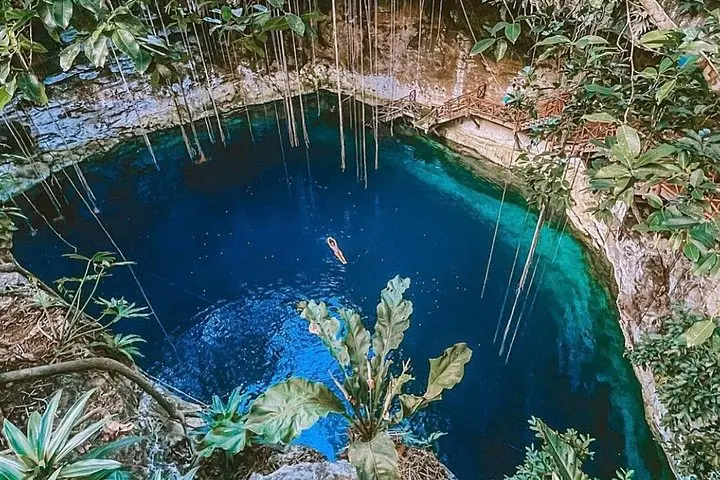
Culturally, the ritual blends chant, the ceremonial four directions, plant medicines, and an explanatory role for the xaman who guides the sequence. Geologically, the cenote's vertical walls and submerged stalactites reflect millennia of dissolution and groundwater flow; light filters down in shafts, animating the water.
Practically, the experience runs about three hours, often late afternoon; expect warm, humid air in the temazcal and a sudden cool shock in the cenote. Follow the xaman's instructions, stay hydrated before entering, and avoid alcohol or heavy meals. Bring a swimsuit, towel, sturdy sandals or water shoes, and a reusable water bottle. People with heart conditions or who are pregnant should skip the steam ritual; organizers typically note accessibility and infant policies in advance.
This pairing of ritual and swim is intimate and sensory—steam that presses close, chants that ground you, and a cenote that refreshes—offering both cultural context and an elemental reset.
The full activity lasts about three hours: roughly two hours for the temazcal ritual and time afterward to cool off and swim in the cenote.
Temazcal exposes participants to high heat and steam; it is not recommended for pregnant travelers or those with certain cardiovascular or respiratory conditions—check with the operator if unsure.
Most operators provide basic areas to change and rinse; bring a towel and minimal toiletries, and ask ahead about privacy needs.
Photography is often restricted during sacred moments; follow the xaman's directions and ask permission before photographing people or rituals.
Cenote Secreto Maya operates guided outdoor trips and adventures with an emphasis on safety, stewardship, and memorable experiences.
The evening air sits heavy with humidity as a small group gathers at the edge of a limestone sinkhole. Palms rustle; the xaman lights a low fire and arranges warmed volcanic stones—called the grandmothers—while the cenote below waits cool and dark. You move from the shadowed temazcal to open water, the steam behind you and the cenote's clear pool daring you to cool off.
The evening air sits heavy with humidity as a small group gathers at the edge of a limestone sinkhole. Palms rustle; the xaman lights a low fire and arranges warmed volcanic stones—called the grandmothers—while the cenote below waits cool and dark. You move from the shadowed temazcal to open water, the steam behind you and the cenote's clear pool daring you to cool off.
Temazcal ceremonies trace to pre‑Hispanic Mesoamerica: steam purification used by Maya and other indigenous peoples for physical and spiritual renewal. The cenotes of the northern Yucatán formed when collapsing karst limestone opened access to an underground freshwater network, and were long treated as sacred entrances to the underworld as well as vital water sources.
Culturally, the ritual blends chant, the ceremonial four directions, plant medicines, and an explanatory role for the xaman who guides the sequence. Geologically, the cenote's vertical walls and submerged stalactites reflect millennia of dissolution and groundwater flow; light filters down in shafts, animating the water.
Practically, the experience runs about three hours, often late afternoon; expect warm, humid air in the temazcal and a sudden cool shock in the cenote. Follow the xaman's instructions, stay hydrated before entering, and avoid alcohol or heavy meals. Bring a swimsuit, towel, sturdy sandals or water shoes, and a reusable water bottle. People with heart conditions or who are pregnant should skip the steam ritual; organizers typically note accessibility and infant policies in advance.
This pairing of ritual and swim is intimate and sensory—steam that presses close, chants that ground you, and a cenote that refreshes—offering both cultural context and an elemental reset.