THE ADVENTURE COLLECTIVE® · Independent discovery and booking for outdoor travel

Walk where the Knights Templar once stood guard: a private day tour links Almourol Castle, the Convent of Christ and Tomar’s labyrinthine old town. Expect riverside viewpoints, Manueline architecture and a hands-on guide who traces Portugal’s medieval and Age of Discovery history.
Walk where the Knights Templar once stood guard: a private day tour links Almourol Castle, the Convent of Christ and Tomar’s labyrinthine old town. Expect riverside viewpoints, Manueline architecture and a hands-on guide who traces Portugal’s medieval and Age of Discovery history.
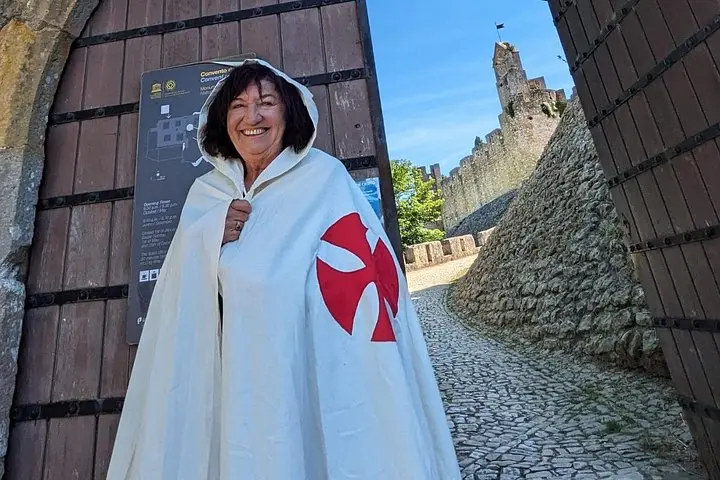
You arrive at the Tagus with a castle balancing on a green islet — Almourol’s squat towers and crenellated walls daring you to imagine sieges and river patrols. The road then climbs into Tomar’s limestone shoulder where the Convent of Christ crowns a wooded ridge; its Manueline window watches over tile-roofed streets and cobbled alleys.
Verified experiences and guided adventures in the surrounding area.
Operated by Grand Ventours · Tomar, Santarém District
You arrive at the Tagus with a castle balancing on a green islet — Almourol’s squat towers and crenellated walls daring you to imagine sieges and river patrols. The road then climbs into Tomar’s limestone shoulder where the Convent of Christ crowns a wooded ridge; its Manueline window watches over tile-roofed streets and cobbled alleys.
This one-day loop threads together 12th–17th century layers: Templar foundations under Gualdim Pais, the later Order of Christ that funded Age of Discovery voyages, and Philip II’s pragmatic aqueduct engineering. Geology here is compact limestone and red clay; the aqueduct and convent sit where springs once fed monastic cisterns. Cultural notes follow easily — a synagogue that survived expulsions, Gothic and Manueline churches, and tavernas serving hearty regional cuisine that echoes medieval recipes.
Expect varied walking: short riverside paths at Almourol, uneven cobbles and stairs in Tomar’s historic center, and a moderate stroll around the long arches of Aqueduto dos Pegões Altos. The Convent of Christ requires time and attention — cloisters, chapter house and the Charola (Templar rotunda) reveal architectural shifts from fortress to monastery.
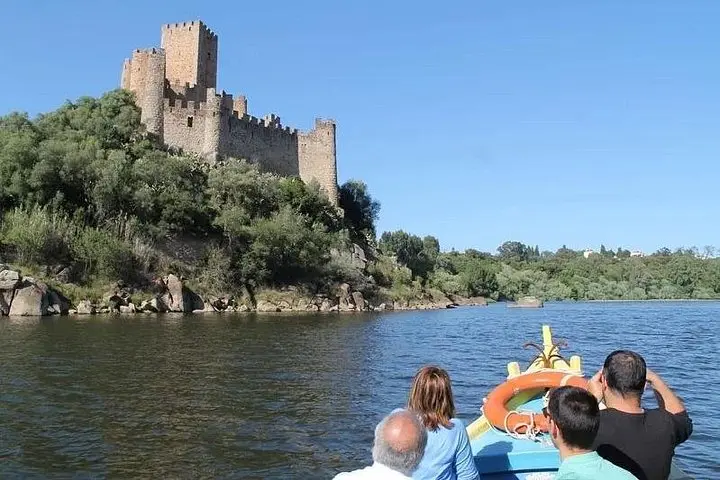
Practical guidance: arrive with sturdy shoes, a filled water bottle and modest layers for wind over the ridge. Bring cash for small-site admissions and a camera with zoom for the castle views. If you want a closer look at Almourol, time a short boat trip; otherwise plan 7–8 hours for a relaxed private tour that balances storytelling with on-foot exploration.
No — admissions are generally not included; your guide will advise on tickets and may help purchase them on site.
No — Almourol sits on a Tagus islet; a short boat crossing is the usual way to approach the castle closely, otherwise admire it from the riverbank.
The tour involves cobbled streets and stairs; children can participate but those with limited mobility may find parts of the convent and old town challenging.
Private tours in the region commonly offer guides in English and Portuguese; confirm your preferred language at booking.
Grand Ventours operates guided outdoor trips and adventures with an emphasis on safety, stewardship, and memorable experiences.
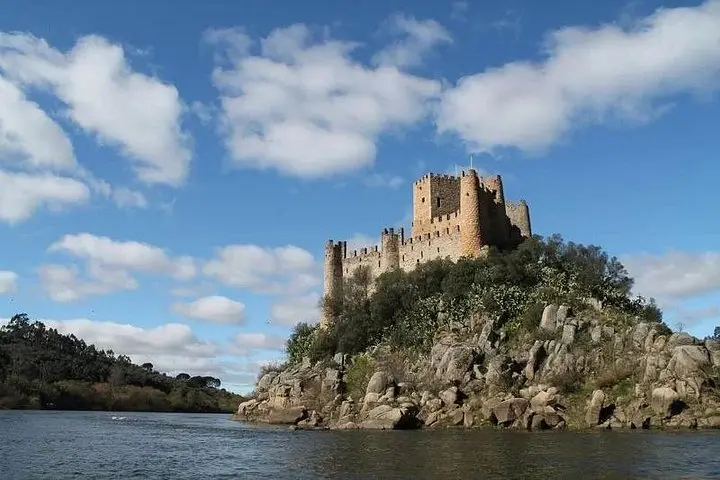
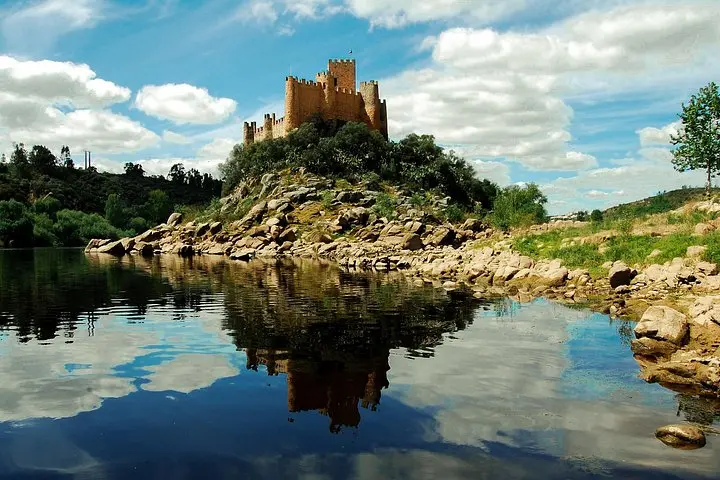
You arrive at the Tagus with a castle balancing on a green islet — Almourol’s squat towers and crenellated walls daring you to imagine sieges and river patrols. The road then climbs into Tomar’s limestone shoulder where the Convent of Christ crowns a wooded ridge; its Manueline window watches over tile-roofed streets and cobbled alleys.
You arrive at the Tagus with a castle balancing on a green islet — Almourol’s squat towers and crenellated walls daring you to imagine sieges and river patrols. The road then climbs into Tomar’s limestone shoulder where the Convent of Christ crowns a wooded ridge; its Manueline window watches over tile-roofed streets and cobbled alleys.
This one-day loop threads together 12th–17th century layers: Templar foundations under Gualdim Pais, the later Order of Christ that funded Age of Discovery voyages, and Philip II’s pragmatic aqueduct engineering. Geology here is compact limestone and red clay; the aqueduct and convent sit where springs once fed monastic cisterns. Cultural notes follow easily — a synagogue that survived expulsions, Gothic and Manueline churches, and tavernas serving hearty regional cuisine that echoes medieval recipes.
Expect varied walking: short riverside paths at Almourol, uneven cobbles and stairs in Tomar’s historic center, and a moderate stroll around the long arches of Aqueduto dos Pegões Altos. The Convent of Christ requires time and attention — cloisters, chapter house and the Charola (Templar rotunda) reveal architectural shifts from fortress to monastery.
Practical guidance: arrive with sturdy shoes, a filled water bottle and modest layers for wind over the ridge. Bring cash for small-site admissions and a camera with zoom for the castle views. If you want a closer look at Almourol, time a short boat trip; otherwise plan 7–8 hours for a relaxed private tour that balances storytelling with on-foot exploration.