THE ADVENTURE COLLECTIVE® · Independent discovery and booking for outdoor travel

Skip the queue at Sri Dalada Maligawa and walk straight into a living chapter of Sri Lankan history. This guided visit pairs cultural context with efficient logistics for a focused, respectful hour in Kandy’s spiritual center.
Skip the queue at Sri Dalada Maligawa and walk straight into a living chapter of Sri Lankan history. This guided visit pairs cultural context with efficient logistics for a focused, respectful hour in Kandy’s spiritual center.
You step through a carved wooden gate and the city’s bustle thins; incense threads upward, drummers mark a steady beat, and the polished stone of the courtyard cools your palms. Pilgrims, monks and tourists move with purpose toward a gilded shrine where a relic is kept—this is the Temple of the Sacred Tooth Relic, perched beside Kandy Lake and watched over by the Central Province hills.
Verified experiences and guided adventures in the surrounding area.
Operated by Lakpura LLC · Kandy, Central Province
You step through a carved wooden gate and the city’s bustle thins; incense threads upward, drummers mark a steady beat, and the polished stone of the courtyard cools your palms. Pilgrims, monks and tourists move with purpose toward a gilded shrine where a relic is kept—this is the Temple of the Sacred Tooth Relic, perched beside Kandy Lake and watched over by the Central Province hills.
Built and adapted over centuries, the temple complex grew around the tooth relic brought to Sri Lanka in the 4th century CE and became the symbolic heart of Kandyan kingship by the 16th century. Its layered architecture and lacquer work reflect island artisanship, while the surrounding highland geology—folded ridges and the Mahaweli’s tributaries—frames the city with a humid, verdant climate that makes bougainvillea and rain-fed gardens thrive.
The daily ritual (puja) is theatrical and intimate: oil lamps sway, drummers summon attention, and guides explain sacred protocols. Cultural expectations are firm—modest dress and quiet respect matter more than cameras. Peak atmosphere arrives at morning puja and during the August Esala Perahera festival when the streets flood with processions.
Practical guidance: exchange your voucher at the meeting point, plan about an hour for the visit, and aim for early morning to avoid crowds. Leave shoes at the counters and carry a lightweight cover-up. Hydrate before entry—the compound offers little shade during mid-afternoon—and keep small notes or coins for offerings if you wish. With a skip-the-line ticket and an English-speaking guide, you’ll move efficiently through history, ritual and the sculpted calm of Kandy’s spiritual core.
Yes—your Viator/TripAdvisor voucher must be exchanged at the meeting point with staff before entry.
Photography rules vary by inner sanctum; your guide will point out allowed areas and where cameras or flash are prohibited.
Some areas have steps and uneven stone surfaces; staff can advise on access but full wheelchair access is limited in older sections.
The guided visit is about one hour, which covers the main shrine, courtyards and a concise explanation of history and rituals.
Lakpura LLC operates guided outdoor trips and adventures with an emphasis on safety, stewardship, and memorable experiences.
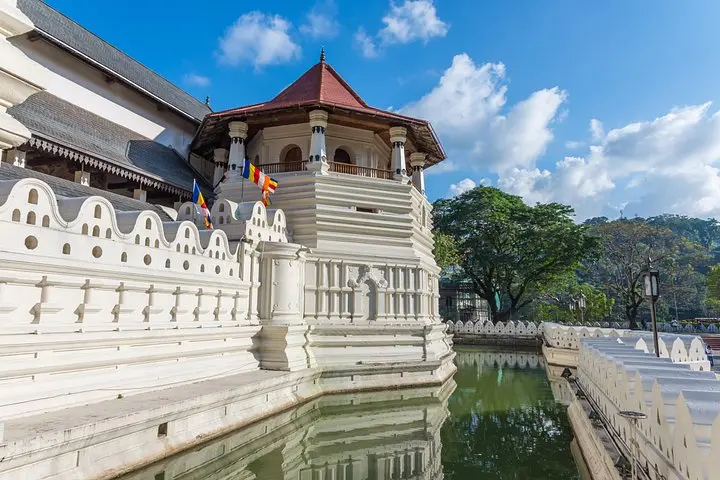
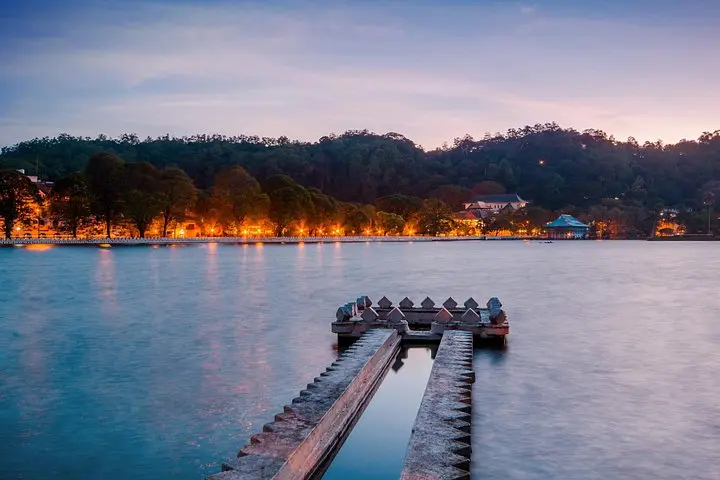
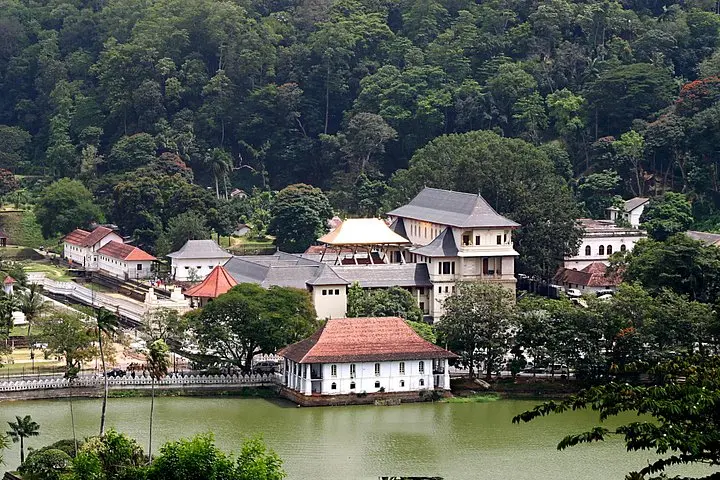
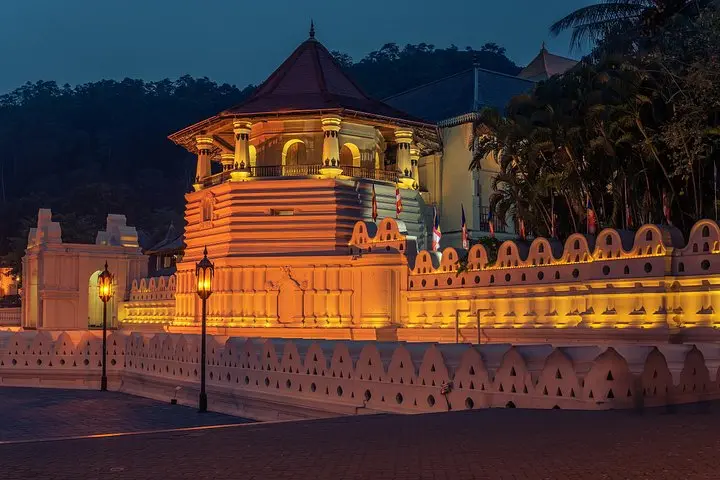
You step through a carved wooden gate and the city’s bustle thins; incense threads upward, drummers mark a steady beat, and the polished stone of the courtyard cools your palms. Pilgrims, monks and tourists move with purpose toward a gilded shrine where a relic is kept—this is the Temple of the Sacred Tooth Relic, perched beside Kandy Lake and watched over by the Central Province hills.
You step through a carved wooden gate and the city’s bustle thins; incense threads upward, drummers mark a steady beat, and the polished stone of the courtyard cools your palms. Pilgrims, monks and tourists move with purpose toward a gilded shrine where a relic is kept—this is the Temple of the Sacred Tooth Relic, perched beside Kandy Lake and watched over by the Central Province hills.
Built and adapted over centuries, the temple complex grew around the tooth relic brought to Sri Lanka in the 4th century CE and became the symbolic heart of Kandyan kingship by the 16th century. Its layered architecture and lacquer work reflect island artisanship, while the surrounding highland geology—folded ridges and the Mahaweli’s tributaries—frames the city with a humid, verdant climate that makes bougainvillea and rain-fed gardens thrive.
The daily ritual (puja) is theatrical and intimate: oil lamps sway, drummers summon attention, and guides explain sacred protocols. Cultural expectations are firm—modest dress and quiet respect matter more than cameras. Peak atmosphere arrives at morning puja and during the August Esala Perahera festival when the streets flood with processions.
Practical guidance: exchange your voucher at the meeting point, plan about an hour for the visit, and aim for early morning to avoid crowds. Leave shoes at the counters and carry a lightweight cover-up. Hydrate before entry—the compound offers little shade during mid-afternoon—and keep small notes or coins for offerings if you wish. With a skip-the-line ticket and an English-speaking guide, you’ll move efficiently through history, ritual and the sculpted calm of Kandy’s spiritual core.