THE ADVENTURE COLLECTIVE® · Independent discovery and booking for outdoor travel

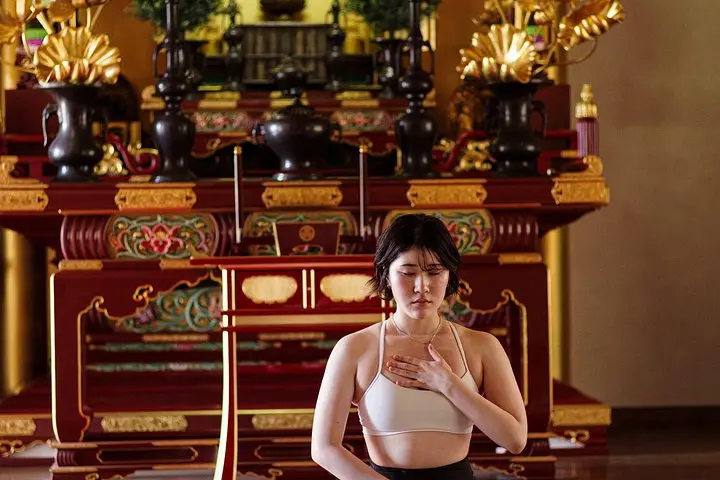
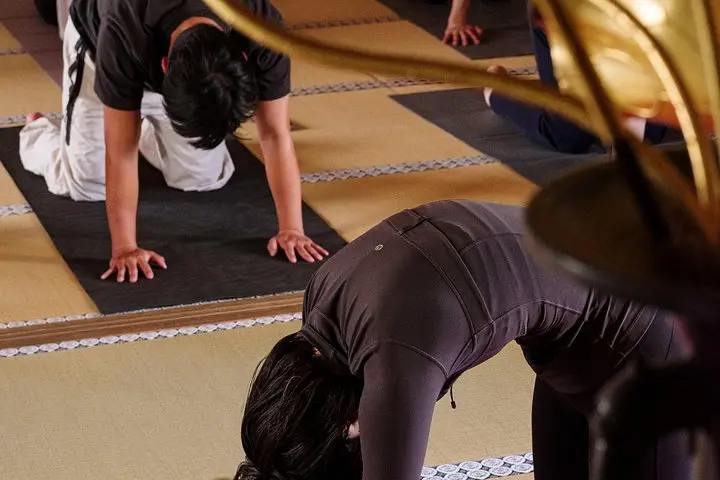
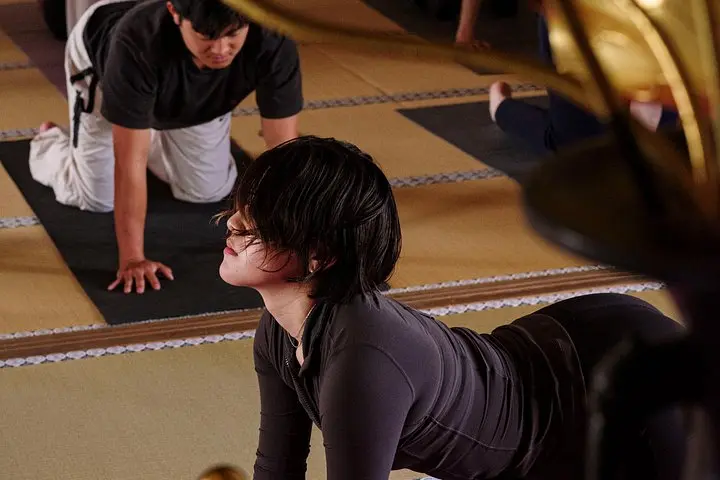
Practice gentle vinyasa or restorative yoga in the calm of a Kyoto temple, then share an organic meal with locals. This three-hour experience blends cultural insight with accessible yoga suited for beginners.
Practice gentle vinyasa or restorative yoga in the calm of a Kyoto temple, then share an organic meal with locals. This three-hour experience blends cultural insight with accessible yoga suited for beginners.
Morning light slips through cedar beams and a hush settles over stone steps — the sort of silence that makes conversation feel intentional. In Kyoto, a short vinyasa or restorative session held in or beside a temple grounds turns movement into a calm ritual: breath times the slow arc of a bow, and the garden wind seems to test each balance.
Verified experiences and guided adventures in the surrounding area.
Operated by nana · Kyoto, Kyoto Prefecture
Morning light slips through cedar beams and a hush settles over stone steps — the sort of silence that makes conversation feel intentional. In Kyoto, a short vinyasa or restorative session held in or beside a temple grounds turns movement into a calm ritual: breath times the slow arc of a bow, and the garden wind seems to test each balance.
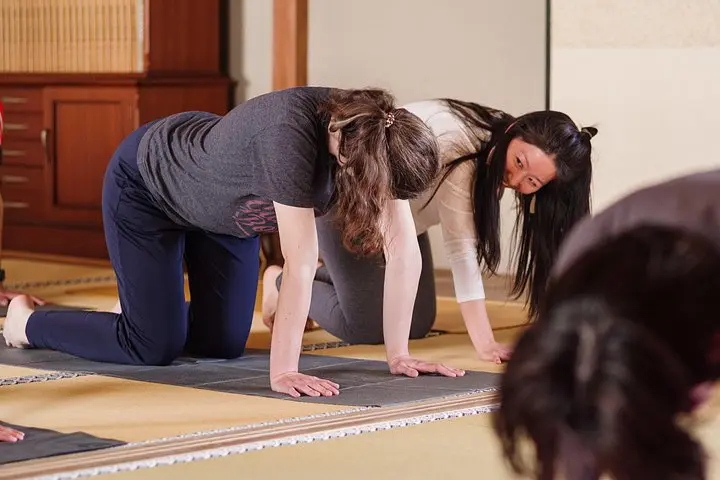
Kyoto’s temples date back centuries and reflect Japan’s layered history of Shinto and Buddhist practice. The architecture is often simple timber and tiled roofs that weather and gain character; the gardens around them are products of careful design rather than wild growth, with ponds that mirror the season. This class connects that cultural setting with contemporary wellbeing: instructors blend Vinyasa and Relax Yoga while encouraging cross-cultural exchange in English and Japanese.
Participants can expect a gentle, accessible sequence suitable for beginners, followed by a shared organic lunch at a nearby eatery. The operator donates a portion of fees to temple upkeep, so the visit supports preservation as well as practice. Dress in breathable layers, arrive barefoot-ready for mat work, and allow time to move slowly after the session to walk the grounds.
Practical notes: classes run about three hours including meal time, reservations are required and mobile tickets accepted. Public transport reaches most temples in Kyoto easily, but give yourself an extra 10–20 minutes for navigating small streets. Hydrate beforehand, notify instructors of health concerns, and bring cash if you’d like to leave a small offering at the shrine.
No — classes are designed for beginners and experienced yogis alike, with options to modify poses.
It varies by temple and weather; some sessions use covered halls, others are held in adjacent garden spaces.
The operator arranges organic meals and will usually offer vegetarian options; notify them of dietary restrictions when booking.
No — you’ll generally remove shoes before entering indoor temple spaces; wear socks or be prepared to be barefoot on your mat.
nana operates guided outdoor trips and adventures with an emphasis on safety, stewardship, and memorable experiences.
Morning light slips through cedar beams and a hush settles over stone steps — the sort of silence that makes conversation feel intentional. In Kyoto, a short vinyasa or restorative session held in or beside a temple grounds turns movement into a calm ritual: breath times the slow arc of a bow, and the garden wind seems to test each balance.
Morning light slips through cedar beams and a hush settles over stone steps — the sort of silence that makes conversation feel intentional. In Kyoto, a short vinyasa or restorative session held in or beside a temple grounds turns movement into a calm ritual: breath times the slow arc of a bow, and the garden wind seems to test each balance.
Kyoto’s temples date back centuries and reflect Japan’s layered history of Shinto and Buddhist practice. The architecture is often simple timber and tiled roofs that weather and gain character; the gardens around them are products of careful design rather than wild growth, with ponds that mirror the season. This class connects that cultural setting with contemporary wellbeing: instructors blend Vinyasa and Relax Yoga while encouraging cross-cultural exchange in English and Japanese.
Participants can expect a gentle, accessible sequence suitable for beginners, followed by a shared organic lunch at a nearby eatery. The operator donates a portion of fees to temple upkeep, so the visit supports preservation as well as practice. Dress in breathable layers, arrive barefoot-ready for mat work, and allow time to move slowly after the session to walk the grounds.
Practical notes: classes run about three hours including meal time, reservations are required and mobile tickets accepted. Public transport reaches most temples in Kyoto easily, but give yourself an extra 10–20 minutes for navigating small streets. Hydrate beforehand, notify instructors of health concerns, and bring cash if you’d like to leave a small offering at the shrine.