THE ADVENTURE COLLECTIVE® · Independent discovery and booking for outdoor travel

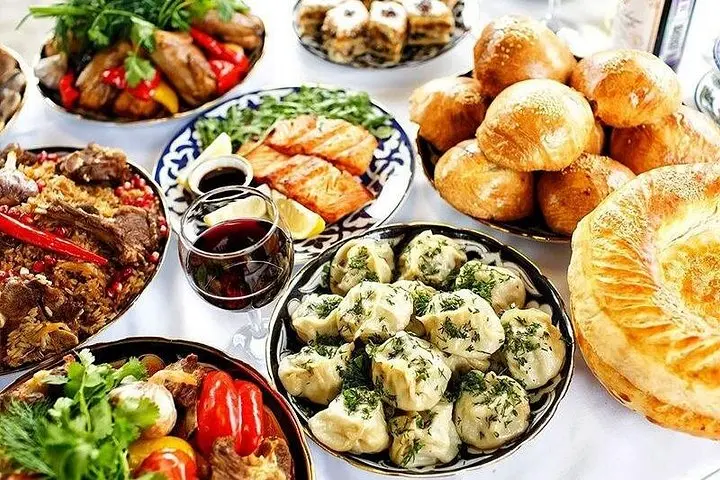
Taste your way through Tashkent’s historic heart on a four-hour walking tour that hits Chorsu Bazaar, Kukeldash Madrasah and local eateries. Sample manti, plov, samsa and tandoori bread while a local guide explains culinary traditions and market culture.
Taste your way through Tashkent’s historic heart on a four-hour walking tour that hits Chorsu Bazaar, Kukeldash Madrasah and local eateries. Sample manti, plov, samsa and tandoori bread while a local guide explains culinary traditions and market culture.
The tour begins under the shadow of the Chorsu Bazaar dome, where steam and spice hang heavy and the city’s pulse is measured in bread and tea.
Verified experiences and guided adventures in the surrounding area.
Operated by Tatiana · Tashkent, Tashkent
The tour begins under the shadow of the Chorsu Bazaar dome, where steam and spice hang heavy and the city’s pulse is measured in bread and tea.
Walks thread between tiled madrasahs and wide Soviet-era boulevards; vendors pull hot tandoori bread from clay ovens while a guide points out Uzbek etiquette around tea and shared plates. The route favors the city’s historic center—Chorsu Bazaar, Kukeldash Madrasah and the lanes that feed into Amir Timur Square—over roughly 3–5 km of mostly flat, paved walking and market alleys.
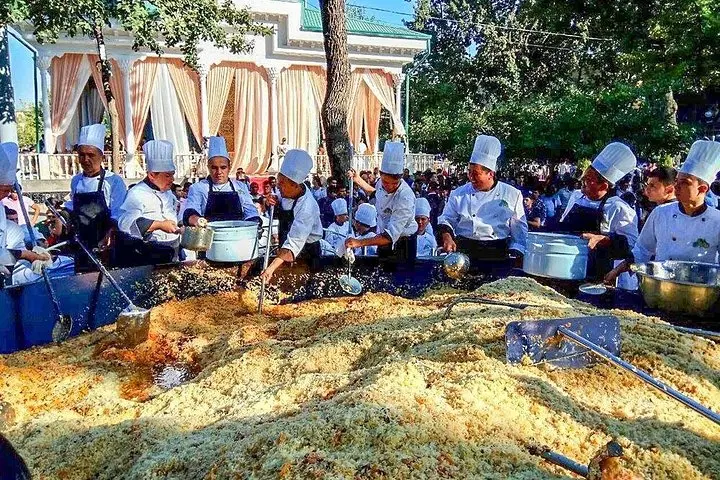
Tashkent sits at the edge of the fertile Fergana Valley and the city’s food culture reflects centuries of Silk Road exchange: rice-driven plov, skewered shashlik, stuffed manti and layered samsa speak to trade, migration and Persian, Turkic, and Russian influences. Geologically the city occupies an alluvial plain, so expect quick changes from broad boulevards to narrow bazaar corridors.
Practical guidance follows the flavor trail. The tour runs about four hours and includes multiple tasting stops—come hungry but pace yourself: many dishes are communal. Wear comfortable shoes for uneven cobblestones and bring cash in small denominations for incidental purchases or extra samples. Hydrate—Tashkent summers are hot—and schedule this walk in the morning or late afternoon to avoid midday heat and the busiest market times.
This is a cultural walk as much as a tasting: ask about recipes, meal customs and the significance of tea. With a local guide handling orders and navigation, visitors leave with a fuller palate and a clearer sense of how food anchors daily life in Uzbekistan.
The tour is approximately four hours and covers around 3–5 km of mostly flat, paved walking between markets, eateries and historic sites.
Guides can point out vegetarian-friendly dishes like khanum and some samsa, but notify the operator in advance for specific allergies or needs.
Meetings are typically in the Chorsu Bazaar area or another central point; this walking tour does not include transport but public transit is nearby.
Yes—physically it’s easy for most ages, but infants should be on laps and parents should consider noise and crowd levels in bazaars.
Tatiana operates guided outdoor trips and adventures with an emphasis on safety, stewardship, and memorable experiences.


The tour begins under the shadow of the Chorsu Bazaar dome, where steam and spice hang heavy and the city’s pulse is measured in bread and tea.
The tour begins under the shadow of the Chorsu Bazaar dome, where steam and spice hang heavy and the city’s pulse is measured in bread and tea.
Walks thread between tiled madrasahs and wide Soviet-era boulevards; vendors pull hot tandoori bread from clay ovens while a guide points out Uzbek etiquette around tea and shared plates. The route favors the city’s historic center—Chorsu Bazaar, Kukeldash Madrasah and the lanes that feed into Amir Timur Square—over roughly 3–5 km of mostly flat, paved walking and market alleys.
Tashkent sits at the edge of the fertile Fergana Valley and the city’s food culture reflects centuries of Silk Road exchange: rice-driven plov, skewered shashlik, stuffed manti and layered samsa speak to trade, migration and Persian, Turkic, and Russian influences. Geologically the city occupies an alluvial plain, so expect quick changes from broad boulevards to narrow bazaar corridors.
Practical guidance follows the flavor trail. The tour runs about four hours and includes multiple tasting stops—come hungry but pace yourself: many dishes are communal. Wear comfortable shoes for uneven cobblestones and bring cash in small denominations for incidental purchases or extra samples. Hydrate—Tashkent summers are hot—and schedule this walk in the morning or late afternoon to avoid midday heat and the busiest market times.
This is a cultural walk as much as a tasting: ask about recipes, meal customs and the significance of tea. With a local guide handling orders and navigation, visitors leave with a fuller palate and a clearer sense of how food anchors daily life in Uzbekistan.