THE ADVENTURE COLLECTIVE® · Independent discovery and booking for outdoor travel

Explore the Ten Thousand Islands by small boat—spot dolphins and manatees in mangrove channels, then step onto a secluded barrier island for shelling. This 2.5‑hour cruise from Goodland blends wildlife viewing with coastal archaeology and hands‑on natural history.
Explore the Ten Thousand Islands by small boat—spot dolphins and manatees in mangrove channels, then step onto a secluded barrier island for shelling. This 2.5‑hour cruise from Goodland blends wildlife viewing with coastal archaeology and hands‑on natural history.
The boat slips away from The Little Bar dock and the water opens into a lattice of mangrove channels; sunlight threads through the canopy and the captain points to a dark back arcing beside the hull. Dolphins ride the bow wake, curious and quick, while gulls wheel overhead and the salt air carries the low, vegetal scent of the estuary.
Verified experiences and guided adventures in the surrounding area.
Operated by Eco Endeavors · Goodland, Florida
The boat slips away from The Little Bar dock and the water opens into a lattice of mangrove channels; sunlight threads through the canopy and the captain points to a dark back arcing beside the hull. Dolphins ride the bow wake, curious and quick, while gulls wheel overhead and the salt air carries the low, vegetal scent of the estuary.
This 2.5‑hour cruise navigates the Ten Thousand Islands National Wildlife Refuge, a landscape carved by sea level changes and tidal flow. The plain of coquina and shell mounds hints at Calusa presence for centuries; today the refuge protects complex mangrove root systems, seagrass beds, and the critters that depend on them. Captains usually weave natural history commentary into the trip—explaining tidal exchange, local shell species, and why the islands shift with storms.
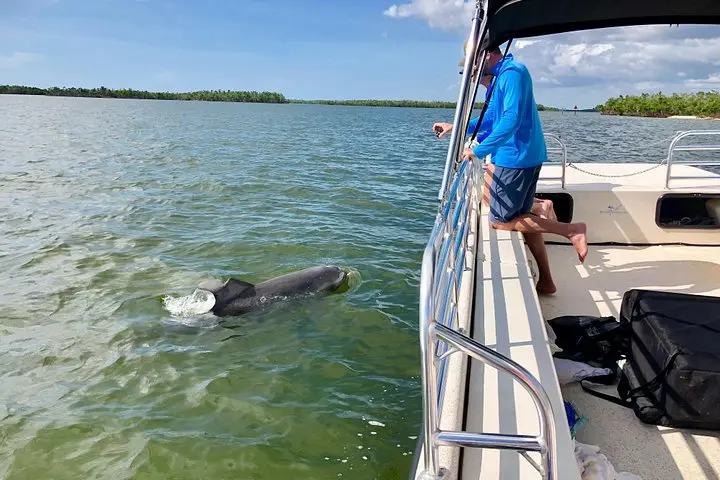
Expect shallow channels, tight turns through red mangrove thickets, and a calm landing on a remote barrier island for shelling and shoreline exploration. The sand here can reveal banded tulip, junonia fragments, and whelk; bring a small bag and practice selective collecting to avoid stripping sensitive areas. Wildlife encounters are common—bottlenose dolphins, West Indian manatees, and migratory shorebirds are regulars.
Practical guidance: arrive 15 minutes early at 205 Harbor Place N in Goodland, sign the waiver beforehand, wear reef‑safe sunscreen, and choose flat, non‑slip shoes for boarding and walking on sand. Bring a light layer for wind off the Gulf and a refillable water bottle—the operator provides bottled water but extra hydration is wise in summer heat. Tours run in most weather; operators cancel for unsafe conditions.
Meet at The Little Bar waterfront at 205 Harbor Place North in Goodland; arrive 15 minutes early to check in.
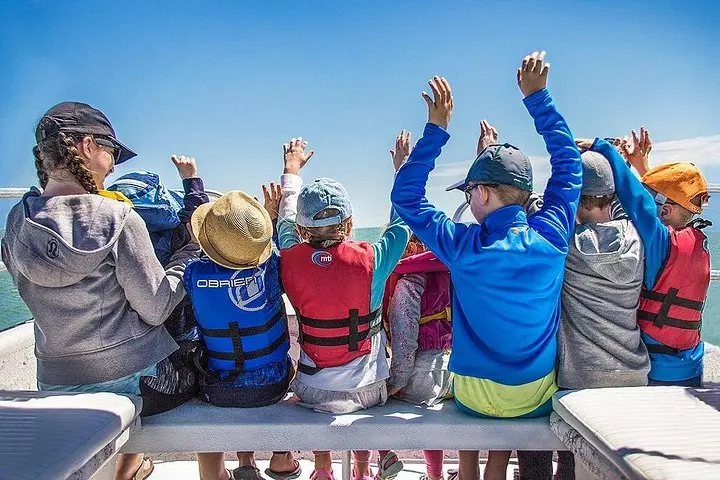
Children are welcome but must be accompanied by an adult; only service animals are allowed on board per operator policy.
Boats are not handicapped accessible; participants must be able to embark/disembark under their own power and navigate soft sand and docks.
Common sightings include bottlenose dolphins, West Indian manatees, herons, egrets, and a variety of shorebirds; sightings aren’t guaranteed but are frequent.
Eco Endeavors operates guided outdoor trips and adventures with an emphasis on safety, stewardship, and memorable experiences.
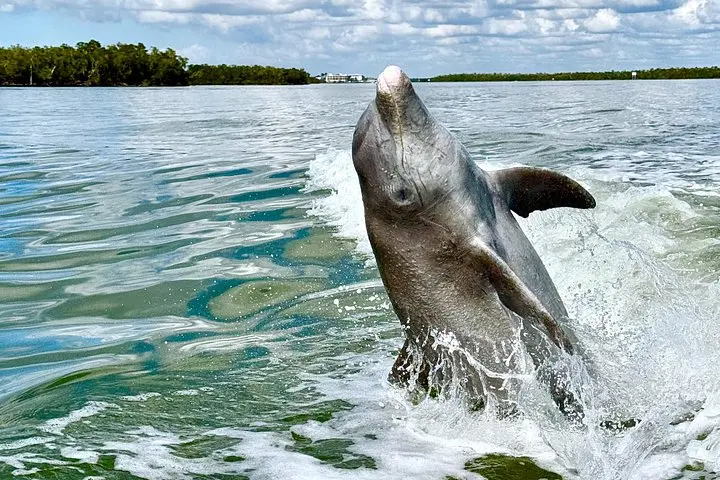
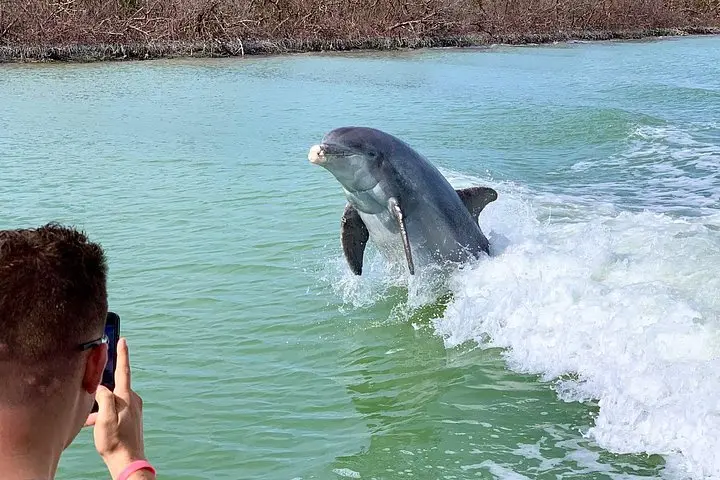
The boat slips away from The Little Bar dock and the water opens into a lattice of mangrove channels; sunlight threads through the canopy and the captain points to a dark back arcing beside the hull. Dolphins ride the bow wake, curious and quick, while gulls wheel overhead and the salt air carries the low, vegetal scent of the estuary.
The boat slips away from The Little Bar dock and the water opens into a lattice of mangrove channels; sunlight threads through the canopy and the captain points to a dark back arcing beside the hull. Dolphins ride the bow wake, curious and quick, while gulls wheel overhead and the salt air carries the low, vegetal scent of the estuary.
This 2.5‑hour cruise navigates the Ten Thousand Islands National Wildlife Refuge, a landscape carved by sea level changes and tidal flow. The plain of coquina and shell mounds hints at Calusa presence for centuries; today the refuge protects complex mangrove root systems, seagrass beds, and the critters that depend on them. Captains usually weave natural history commentary into the trip—explaining tidal exchange, local shell species, and why the islands shift with storms.
Expect shallow channels, tight turns through red mangrove thickets, and a calm landing on a remote barrier island for shelling and shoreline exploration. The sand here can reveal banded tulip, junonia fragments, and whelk; bring a small bag and practice selective collecting to avoid stripping sensitive areas. Wildlife encounters are common—bottlenose dolphins, West Indian manatees, and migratory shorebirds are regulars.
Practical guidance: arrive 15 minutes early at 205 Harbor Place N in Goodland, sign the waiver beforehand, wear reef‑safe sunscreen, and choose flat, non‑slip shoes for boarding and walking on sand. Bring a light layer for wind off the Gulf and a refillable water bottle—the operator provides bottled water but extra hydration is wise in summer heat. Tours run in most weather; operators cancel for unsafe conditions.