THE ADVENTURE COLLECTIVE® · Independent discovery and booking for outdoor travel

Cut through mangrove channels into the Ten Thousand Islands on a 2.5-hour eco-boat tour from Marco Island. Expect dolphin sightings, guided shelling on remote bars, and close-up birdwatching — all led by a local captain who knows where the habitat is healthiest.
Cut through mangrove channels into the Ten Thousand Islands on a 2.5-hour eco-boat tour from Marco Island. Expect dolphin sightings, guided shelling on remote bars, and close-up birdwatching — all led by a local captain who knows where the habitat is healthiest.
The boat idles, engines quieted enough that the water becomes a thinking surface. Salted air tugs at your hat, and a line of mangrove fingers parts to reveal a flat, shimmering expanse — the Ten Thousand Islands laying out like a map of small surprises. On this 2.5-hour eco tour out of Marco Island, the captain steers a low-profile skiff through channels carved by tides, pausing where dolphins patrol and where shell-strewn bars appear like gifts after the last low tide.
Verified experiences and guided adventures in the surrounding area.
Operated by Florida Island Tours · Marco Island, Florida
The boat idles, engines quieted enough that the water becomes a thinking surface. Salted air tugs at your hat, and a line of mangrove fingers parts to reveal a flat, shimmering expanse — the Ten Thousand Islands laying out like a map of small surprises. On this 2.5-hour eco tour out of Marco Island, the captain steers a low-profile skiff through channels carved by tides, pausing where dolphins patrol and where shell-strewn bars appear like gifts after the last low tide.
This coastline is younger than it looks: barrier islands and oyster bars formed and reformed as sea levels changed since the last ice age. Indigenous Calusa people once moved through these waters in canoes, harvesting fish and shells; later, Cuban and Gulf Coast fishers set small nets and cast lines, shaping the area sparser settlements like Goodland. Today the Ten Thousand Islands are protected as part of a national wildlife refuge and estuarine research reserve, a living classroom for how mangroves, seagrass and tidal flows stitch together productive coastal habitat.
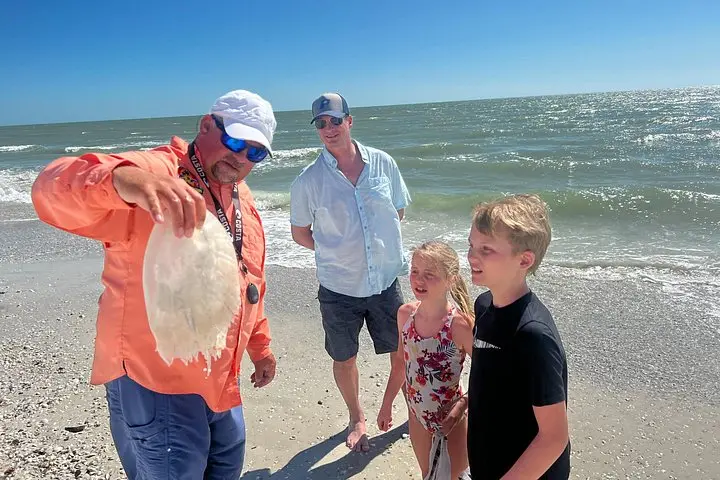
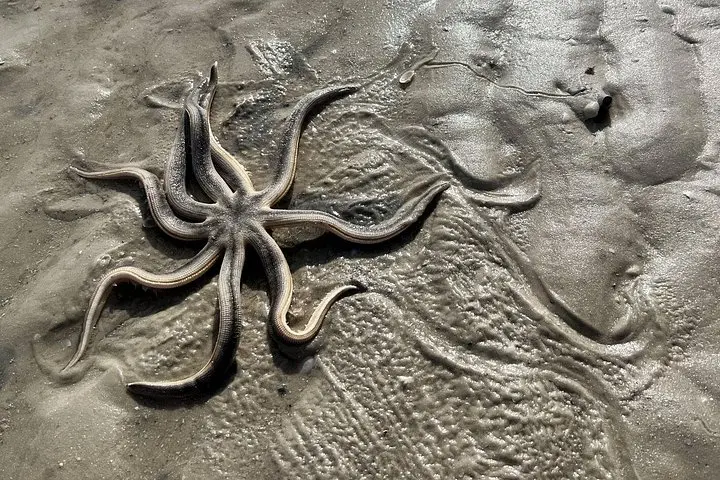
The tour balances natural history and easy adventure. Expect to cross shallow bays, skirt mangrove estuaries where herons stand like patient sentries, and land on a barrier isle to sift for whole whelks, sand dollars and the delicate scars of coquina clams. The guide outlines the local food web — how seagrass beds feed fish, fish feed dolphins, and shorebirds rely on transient shellfish beds — and points to distinguishing field marks for roseate spoonbills, snowy egrets and pelicans.
Practicalities are simple but matter. Boats depart daily from private docks at 220 Goodland Drive; free parking is available across from Stan s Idle Hour in the gravel lot behind the white fence. Tours run about 150 minutes with multiple departure times, and group size is kept small for sensitive wildlife viewing. Children under six must wear life vests; the company provides shelling bags and a cooler with ice.
For the best wildlife, aim for morning or late afternoon when dolphins and foraging birds are most active. Bring reef-safe sunscreen, a wide-brim hat, and polarized sunglasses for scanning the water surface; a light wind jacket helps on breezy afternoons. Respect beach closures and remove all shells except a few intact pieces you can identify — many species are protected or have ecological roles on the strand.
This is a trip that moves at the tide s pace: slow enough to notice a single crab's ambition, swift enough to follow a pod slicing through the sun. It s an accessible introduction to southwest Florida s coastal ecology with enough hands-on moments to keep families and curious travelers engaged.
Meet at the private docks at 220 Goodland Drive; free parking is in the gravel lot across from Stan's Idle Hour behind the white fence.
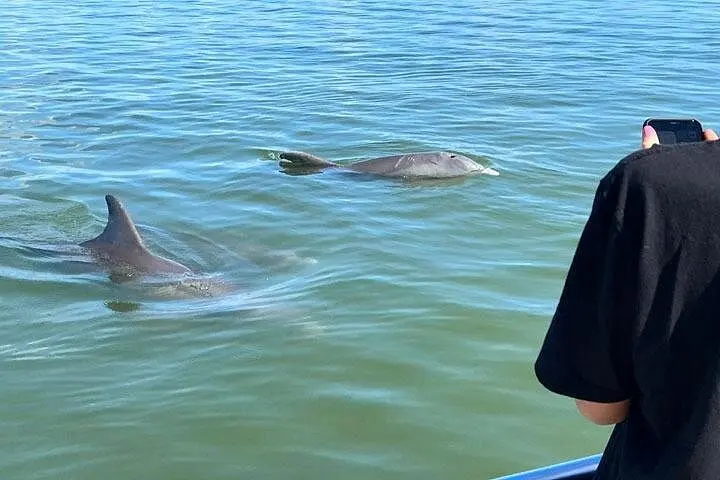
Very likely — tours commonly encounter bottlenose dolphins year-round, especially in the morning or late afternoon when they feed in shallow channels.
You may take a few empty shells, but the guide will advise on species and legal restrictions; avoid taking live shells or protected species.
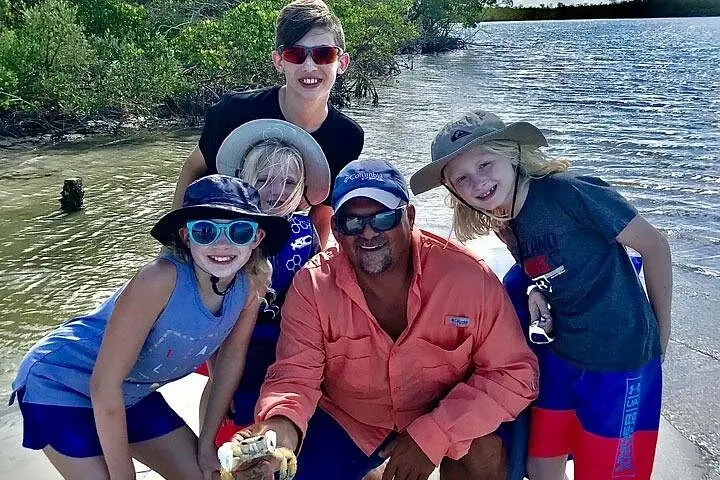
Yes; it s family-friendly. Children under six must wear life vests, which are provided. Expect short shoreline walks and limited wading.
The Gulf and mangrove channels are generally calm, but if you are prone to motion sickness, take preventive medication and sit mid-boat where motion is minimized.
The tour includes a cooler with ice; bring your own water and snacks. Confirm any additional amenities with the operator before departure.
Florida Island Tours operates guided outdoor trips and adventures with an emphasis on safety, stewardship, and memorable experiences.
The boat idles, engines quieted enough that the water becomes a thinking surface. Salted air tugs at your hat, and a line of mangrove fingers parts to reveal a flat, shimmering expanse — the Ten Thousand Islands laying out like a map of small surprises. On this 2.5-hour eco tour out of Marco Island, the captain steers a low-profile skiff through channels carved by tides, pausing where dolphins patrol and where shell-strewn bars appear like gifts after the last low tide.
The boat idles, engines quieted enough that the water becomes a thinking surface. Salted air tugs at your hat, and a line of mangrove fingers parts to reveal a flat, shimmering expanse — the Ten Thousand Islands laying out like a map of small surprises. On this 2.5-hour eco tour out of Marco Island, the captain steers a low-profile skiff through channels carved by tides, pausing where dolphins patrol and where shell-strewn bars appear like gifts after the last low tide.
This coastline is younger than it looks: barrier islands and oyster bars formed and reformed as sea levels changed since the last ice age. Indigenous Calusa people once moved through these waters in canoes, harvesting fish and shells; later, Cuban and Gulf Coast fishers set small nets and cast lines, shaping the area sparser settlements like Goodland. Today the Ten Thousand Islands are protected as part of a national wildlife refuge and estuarine research reserve, a living classroom for how mangroves, seagrass and tidal flows stitch together productive coastal habitat.
The tour balances natural history and easy adventure. Expect to cross shallow bays, skirt mangrove estuaries where herons stand like patient sentries, and land on a barrier isle to sift for whole whelks, sand dollars and the delicate scars of coquina clams. The guide outlines the local food web — how seagrass beds feed fish, fish feed dolphins, and shorebirds rely on transient shellfish beds — and points to distinguishing field marks for roseate spoonbills, snowy egrets and pelicans.
Practicalities are simple but matter. Boats depart daily from private docks at 220 Goodland Drive; free parking is available across from Stan s Idle Hour in the gravel lot behind the white fence. Tours run about 150 minutes with multiple departure times, and group size is kept small for sensitive wildlife viewing. Children under six must wear life vests; the company provides shelling bags and a cooler with ice.
For the best wildlife, aim for morning or late afternoon when dolphins and foraging birds are most active. Bring reef-safe sunscreen, a wide-brim hat, and polarized sunglasses for scanning the water surface; a light wind jacket helps on breezy afternoons. Respect beach closures and remove all shells except a few intact pieces you can identify — many species are protected or have ecological roles on the strand.
This is a trip that moves at the tide s pace: slow enough to notice a single crab's ambition, swift enough to follow a pod slicing through the sun. It s an accessible introduction to southwest Florida s coastal ecology with enough hands-on moments to keep families and curious travelers engaged.