THE ADVENTURE COLLECTIVE® · Independent discovery and booking for outdoor travel

Ascend through Yakushima’s ancient cedars to Tenchu-seki, a dramatic granite obelisk at about 1,497 m with sweeping views to Anbo and the sea. This full-day trek combines moss-soaked forest, rope-assisted sections, and cultural insights into the island’s conservation history.
Ascend through Yakushima’s ancient cedars to Tenchu-seki, a dramatic granite obelisk at about 1,497 m with sweeping views to Anbo and the sea. This full-day trek combines moss-soaked forest, rope-assisted sections, and cultural insights into the island’s conservation history.
A damp wind threads through cedar boles as you step from the trailhead into Yakushima’s primeval green. Light filters through dripping branches, and the forest floor gives with centuries of moss; the path climbs steadily, the ocean shrinking behind you until the island folds into horizon. By late morning the route crests at about 1,497 m and a granite spine—Tenchu-seki—juts skyward, an obelisk that reads like a geological exclamation against a blue or clouded ceiling.
Verified experiences and guided adventures in the surrounding area.
Operated by Beauty of Japan · Anbo, Kagoshima Prefecture
A damp wind threads through cedar boles as you step from the trailhead into Yakushima’s primeval green. Light filters through dripping branches, and the forest floor gives with centuries of moss; the path climbs steadily, the ocean shrinking behind you until the island folds into horizon. By late morning the route crests at about 1,497 m and a granite spine—Tenchu-seki—juts skyward, an obelisk that reads like a geological exclamation against a blue or clouded ceiling.
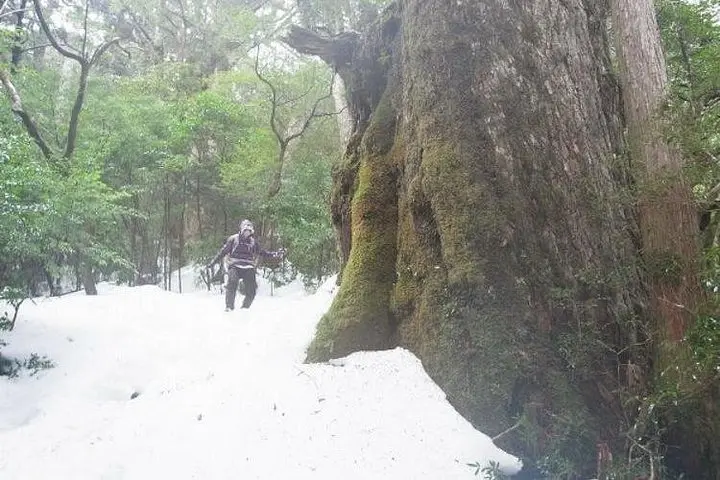
Yakushima’s cedar forests formed on volcanic soil and heavy rains; the island’s high precipitation and temperate subtropical climate created the thick moss and the slow-growing Yakusugi cedars, some over a millennium old. The landscape reflects local Shinto respect for nature—many guides point out sites protected as part of the island’s national park and UNESCO-influenced conservation efforts.
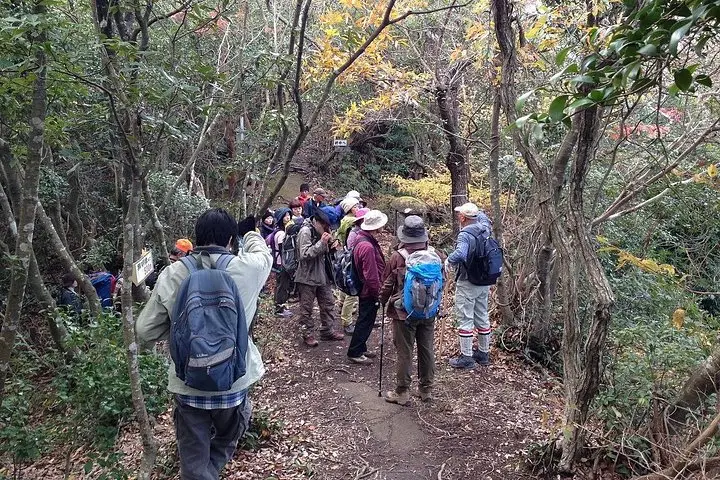
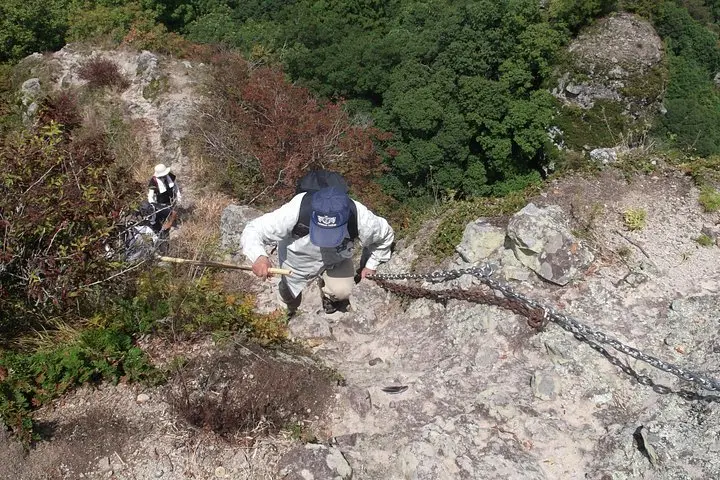
On this full-day trek expect varied terrain: damp root-ladders, stone steps, rope-assisted short climbs, and rocky ridge sections. Your guide manages route-finding and explains cultural touchpoints—old logging traces, shrines, and the view corridor toward Anbo and the East China Sea.
Practically: pack waterproof layers, sturdy trekking shoes, and gloves for sections with rope. Start early to avoid afternoon mists and carry at least 1.5–2 L of water; refills are possible at springs. Weather changes fast—rainwear is mandatory—and the group size is small, so bring a camera and energy snacks. The hike rewards persistence with a raw, vertical rock and broad island-and-ocean panoramas that feel earned rather than given.
This is a challenging full-day hike with sustained elevation gain to around 1,497 m and short rope-assisted sections; participants should be in good physical condition.
The tour is guided and includes the national park entry fee; independent hikers should check local park rules but many visitors choose guided trips for safety and access.
Rain is common—rainwear is mandatory and the operator advises keeping gaiters and a dry bag; tours usually run in rain unless conditions are dangerous.
Not recommended for very young children due to length, terrain, and rope sections; operators may set age or fitness minimums—check in advance.
Beauty of Japan operates guided outdoor trips and adventures with an emphasis on safety, stewardship, and memorable experiences.
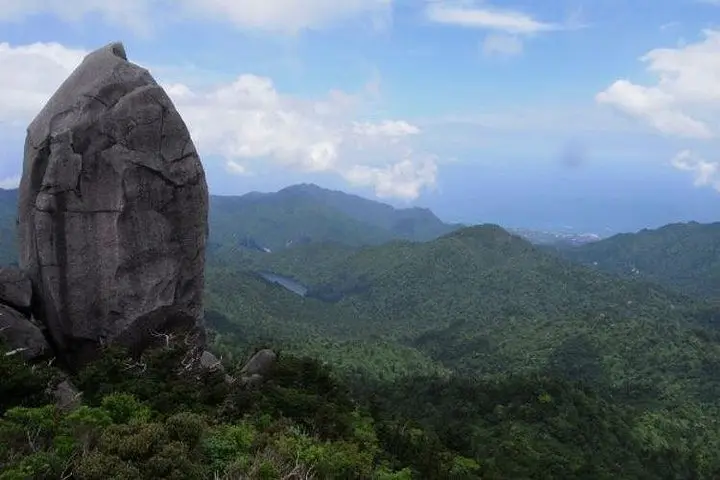
A damp wind threads through cedar boles as you step from the trailhead into Yakushima’s primeval green. Light filters through dripping branches, and the forest floor gives with centuries of moss; the path climbs steadily, the ocean shrinking behind you until the island folds into horizon. By late morning the route crests at about 1,497 m and a granite spine—Tenchu-seki—juts skyward, an obelisk that reads like a geological exclamation against a blue or clouded ceiling.
A damp wind threads through cedar boles as you step from the trailhead into Yakushima’s primeval green. Light filters through dripping branches, and the forest floor gives with centuries of moss; the path climbs steadily, the ocean shrinking behind you until the island folds into horizon. By late morning the route crests at about 1,497 m and a granite spine—Tenchu-seki—juts skyward, an obelisk that reads like a geological exclamation against a blue or clouded ceiling.
Yakushima’s cedar forests formed on volcanic soil and heavy rains; the island’s high precipitation and temperate subtropical climate created the thick moss and the slow-growing Yakusugi cedars, some over a millennium old. The landscape reflects local Shinto respect for nature—many guides point out sites protected as part of the island’s national park and UNESCO-influenced conservation efforts.
On this full-day trek expect varied terrain: damp root-ladders, stone steps, rope-assisted short climbs, and rocky ridge sections. Your guide manages route-finding and explains cultural touchpoints—old logging traces, shrines, and the view corridor toward Anbo and the East China Sea.
Practically: pack waterproof layers, sturdy trekking shoes, and gloves for sections with rope. Start early to avoid afternoon mists and carry at least 1.5–2 L of water; refills are possible at springs. Weather changes fast—rainwear is mandatory—and the group size is small, so bring a camera and energy snacks. The hike rewards persistence with a raw, vertical rock and broad island-and-ocean panoramas that feel earned rather than given.