THE ADVENTURE COLLECTIVE® · Independent discovery and booking for outdoor travel

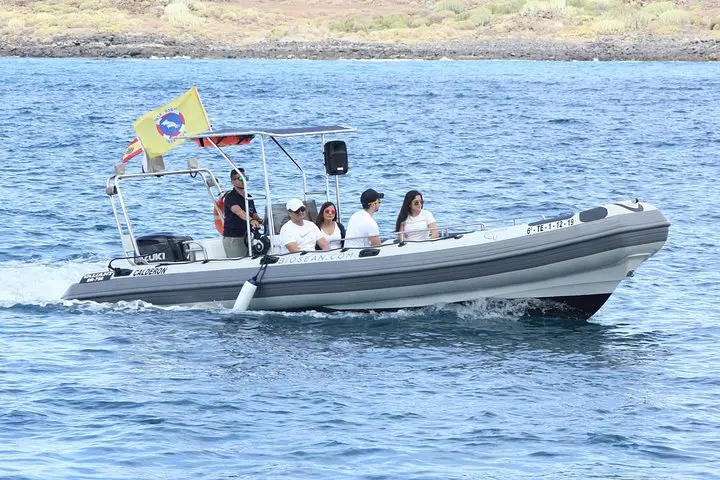
Board a research-minded boat from Los Cristianos for a 2.5-hour marine science tour that combines whale and dolphin watching with expert commentary. Expect close-up cetacean viewing, geology-rich coastline scenery and practical guidance from a marine biologist.
Board a research-minded boat from Los Cristianos for a 2.5-hour marine science tour that combines whale and dolphin watching with expert commentary. Expect close-up cetacean viewing, geology-rich coastline scenery and practical guidance from a marine biologist.
You step onto Dock Number 4 at first light and the Atlantic is already working — a long swell breathing against the breakwater, gulls riding the air like punctuation. The boat eases out of Los Cristianos, engines low, and the rhythm of sea and sky becomes the day’s cadence. A marine biologist sets a scan on the horizon; someone points and a dorsal fin slices the surface like a punctuation mark.
Verified experiences and guided adventures in the surrounding area.
Operated by BIOSEAN Whale Watching and Marine Science · Los Cristianos, Tenerife
You step onto Dock Number 4 at first light and the Atlantic is already working — a long swell breathing against the breakwater, gulls riding the air like punctuation. The boat eases out of Los Cristianos, engines low, and the rhythm of sea and sky becomes the day’s cadence. A marine biologist sets a scan on the horizon; someone points and a dorsal fin slices the surface like a punctuation mark.
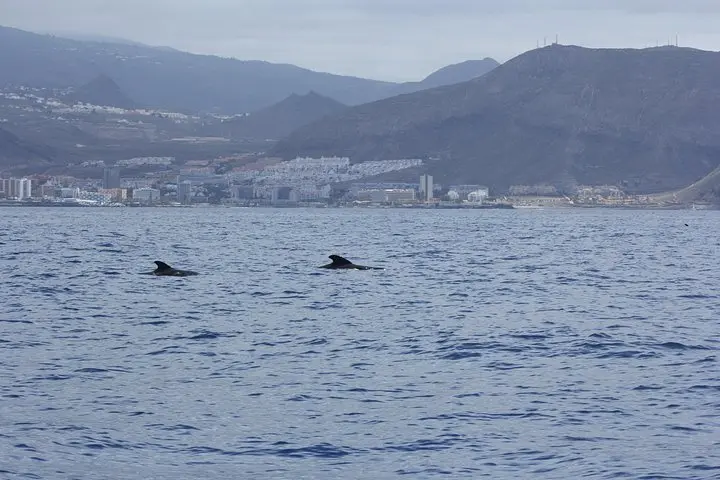
The southern coast of Tenerife is volcanic in origin, shaped by flows that hardened into the Malpaís de Rasca and the cliffs around the Rasca lighthouse. From offshore you can see Teide’s profile when skies cooperate — a reminder this is ocean at the foot of a volcano. Historically, local communities fished these waters; today many operators pair tourism with research, shifting a once-extractive relationship to one of study and stewardship.
Onboard, expect 2.5 hours of narrated observation: species ID, behavior notes, and conservation context. Operators usually provide bottled water and basic safety briefing; tours run in English and Spanish with other languages by request. Wildlife sightings are never guaranteed, but common dolphins, bottlenose dolphins and pilot whales are frequently recorded in these sheltered southern canyons. The sheltered route passes the Rasca headland and volcanic outcrops where currents concentrate prey and, in turn, predators.
Practical prep: bring layered waterproofs, binoculars, sun protection and seasickness meds if you’re prone. Aim for morning departures for calmer seas and clearer light; follow guide instructions for safe, nonintrusive viewing — the animals set the terms of encounter.
No — sightings depend on animal movements and sea conditions, but the southern canyons of Tenerife have high encounter rates with dolphins and pilot whales.
Tours depart from the port in Los Cristianos (Dock Number 4); arrive early for check-in and briefings.
Yes — tours are family-friendly; infants must sit on an adult's lap and infant seats are available on request.
Tours are normally guided in English and Spanish; French, German and Italian guides can be arranged on request.
BIOSEAN Whale Watching and Marine Science operates guided outdoor trips and adventures with an emphasis on safety, stewardship, and memorable experiences.
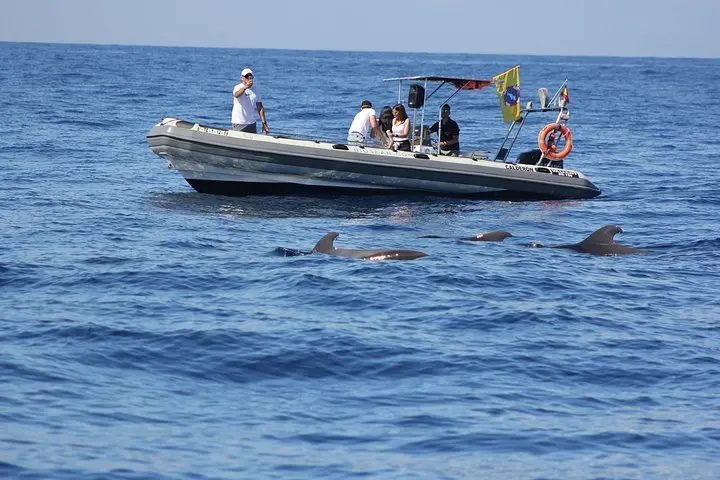
You step onto Dock Number 4 at first light and the Atlantic is already working — a long swell breathing against the breakwater, gulls riding the air like punctuation. The boat eases out of Los Cristianos, engines low, and the rhythm of sea and sky becomes the day’s cadence. A marine biologist sets a scan on the horizon; someone points and a dorsal fin slices the surface like a punctuation mark.
You step onto Dock Number 4 at first light and the Atlantic is already working — a long swell breathing against the breakwater, gulls riding the air like punctuation. The boat eases out of Los Cristianos, engines low, and the rhythm of sea and sky becomes the day’s cadence. A marine biologist sets a scan on the horizon; someone points and a dorsal fin slices the surface like a punctuation mark.
The southern coast of Tenerife is volcanic in origin, shaped by flows that hardened into the Malpaís de Rasca and the cliffs around the Rasca lighthouse. From offshore you can see Teide’s profile when skies cooperate — a reminder this is ocean at the foot of a volcano. Historically, local communities fished these waters; today many operators pair tourism with research, shifting a once-extractive relationship to one of study and stewardship.
Onboard, expect 2.5 hours of narrated observation: species ID, behavior notes, and conservation context. Operators usually provide bottled water and basic safety briefing; tours run in English and Spanish with other languages by request. Wildlife sightings are never guaranteed, but common dolphins, bottlenose dolphins and pilot whales are frequently recorded in these sheltered southern canyons. The sheltered route passes the Rasca headland and volcanic outcrops where currents concentrate prey and, in turn, predators.
Practical prep: bring layered waterproofs, binoculars, sun protection and seasickness meds if you’re prone. Aim for morning departures for calmer seas and clearer light; follow guide instructions for safe, nonintrusive viewing — the animals set the terms of encounter.