THE ADVENTURE COLLECTIVE® · Independent discovery and booking for outdoor travel

Rise over Teotihuacan at sunrise for a 45–60 minute balloon flight, followed by breakfast inside a natural cave and a cultural stop covering obsidian, maguey and regional drinks. Transport from Mexico City and time to visit the pyramids are included.
Rise over Teotihuacan at sunrise for a 45–60 minute balloon flight, followed by breakfast inside a natural cave and a cultural stop covering obsidian, maguey and regional drinks. Transport from Mexico City and time to visit the pyramids are included.
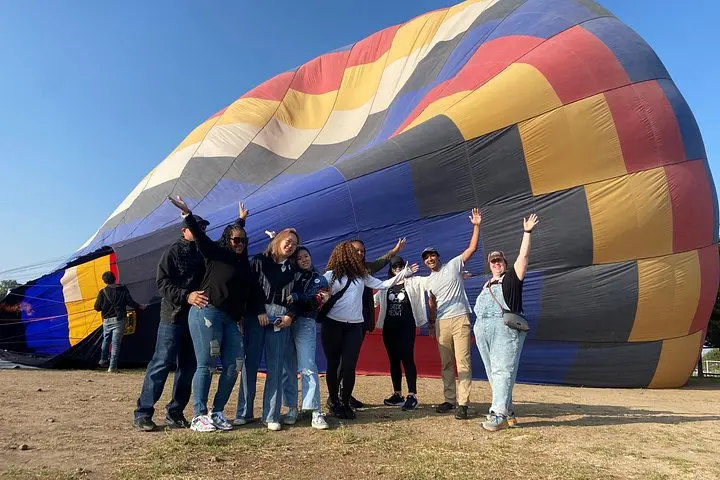
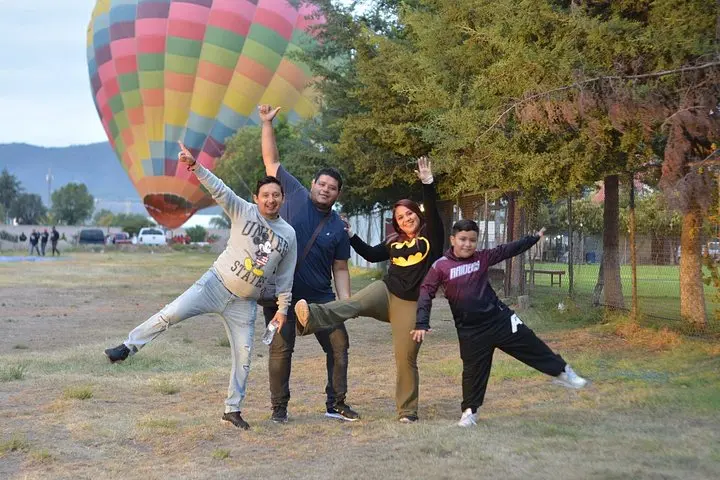
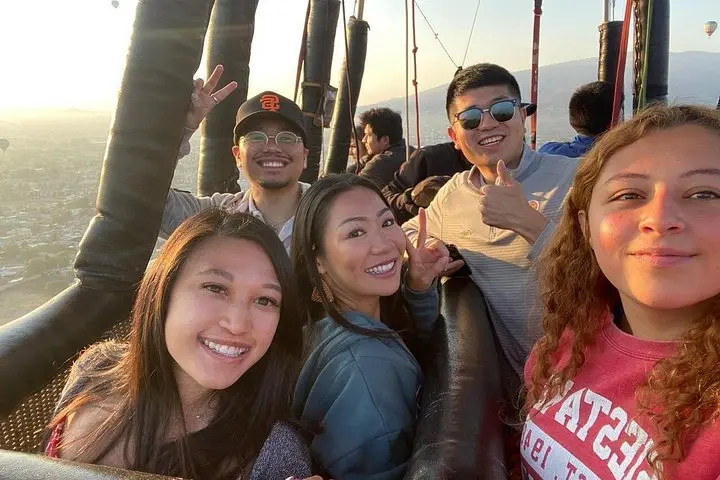
You lift from the field before sunrise and the valley opens like a map: the Pyramid of the Sun looms below, terraces catching the first gold, while the breeze tugs the balloon gently forward. For 45–60 minutes the world shrinks to stone ridgelines and the broad avenue between the pyramids, and the air—cool and decisive—sets the tempo.
Verified experiences and guided adventures in the surrounding area.
Operated by Daniela Magaña · San Juan Teotihuacán, State of Mexico
You lift from the field before sunrise and the valley opens like a map: the Pyramid of the Sun looms below, terraces catching the first gold, while the breeze tugs the balloon gently forward. For 45–60 minutes the world shrinks to stone ridgelines and the broad avenue between the pyramids, and the air—cool and decisive—sets the tempo.
Teotihuacan was one of Mesoamerica’s greatest cities between roughly 100–700 CE. The site’s massive pyramids and the Avenue of the Dead reflect urban planning and ritual scale; obsidian trade and maguey cultivation shaped its economy. Geologically, the plain sits on volcanic deposits that preserved these monumental platforms and supplied the sharp black glass—obsidian—that the city prized.
After landing you move from open sky into La Cueva, a restaurant carved into a natural cave where regional flavors and a coffee-and-cookie welcome bridge airborne calm with local taste. A guided cultural stop covers obsidian tools, maguey uses and traditional drink tastings before you have time to walk among the Sun and Moon pyramids on your own.
Practical notes: dress in layers and wear sturdy, flat shoes—the site has uneven stone and loose gravel. Expect light walking up climbs and stairs if you choose to ascend the pyramids. Flights are weather-dependent; operators commonly include round-trip transport from Mexico City and provide basic breakfast. Bring sun protection, a charged camera, and a light daypack for water and layers—this is an experience that pairs aerial perspective with hands-on history.
The airborne portion typically lasts 45–60 minutes depending on weather and wind conditions; the full experience runs about six hours including transport and site visits.
Yes, round-trip transport from Mexico City is usually included—confirm your pickup point when booking.
The itinerary allows time to visit the ruins but archaeological site admission is often not included; check with the operator if you require tickets or a specialist guide.
Flights are weather-dependent; operators typically cancel and offer full refunds or rescheduling if conditions are unsafe.
Daniela Magaña operates guided outdoor trips and adventures with an emphasis on safety, stewardship, and memorable experiences.

You lift from the field before sunrise and the valley opens like a map: the Pyramid of the Sun looms below, terraces catching the first gold, while the breeze tugs the balloon gently forward. For 45–60 minutes the world shrinks to stone ridgelines and the broad avenue between the pyramids, and the air—cool and decisive—sets the tempo.
You lift from the field before sunrise and the valley opens like a map: the Pyramid of the Sun looms below, terraces catching the first gold, while the breeze tugs the balloon gently forward. For 45–60 minutes the world shrinks to stone ridgelines and the broad avenue between the pyramids, and the air—cool and decisive—sets the tempo.
Teotihuacan was one of Mesoamerica’s greatest cities between roughly 100–700 CE. The site’s massive pyramids and the Avenue of the Dead reflect urban planning and ritual scale; obsidian trade and maguey cultivation shaped its economy. Geologically, the plain sits on volcanic deposits that preserved these monumental platforms and supplied the sharp black glass—obsidian—that the city prized.
After landing you move from open sky into La Cueva, a restaurant carved into a natural cave where regional flavors and a coffee-and-cookie welcome bridge airborne calm with local taste. A guided cultural stop covers obsidian tools, maguey uses and traditional drink tastings before you have time to walk among the Sun and Moon pyramids on your own.
Practical notes: dress in layers and wear sturdy, flat shoes—the site has uneven stone and loose gravel. Expect light walking up climbs and stairs if you choose to ascend the pyramids. Flights are weather-dependent; operators commonly include round-trip transport from Mexico City and provide basic breakfast. Bring sun protection, a charged camera, and a light daypack for water and layers—this is an experience that pairs aerial perspective with hands-on history.