THE ADVENTURE COLLECTIVE® · Independent discovery and booking for outdoor travel

Climb ancient stone, walk the Avenue of the Dead and return to Mexico City’s colonial core in a single full-day tour. This trip pairs archaeological exploration at Teotihuacan with a guided walk through the Historic Center’s cathedral-lined plazas.
Climb ancient stone, walk the Avenue of the Dead and return to Mexico City’s colonial core in a single full-day tour. This trip pairs archaeological exploration at Teotihuacan with a guided walk through the Historic Center’s cathedral-lined plazas.
You step out of the van and the plateau opens wide: the Pyramid of the Sun rises like a patient giant, the Avenue of the Dead stretching away as if measuring time itself. Wind moves across the stone steps and the heat presses you upward; the city below seems a different world. The climb is physical, the views instant rewards—cerulean sky, tiled rooftops, the jagged silhouette of the Moon Pyramid against distant hills.
Verified experiences and guided adventures in the surrounding area.
Operated by Vibe Adventures · Teotihuacan, State of Mexico
You step out of the van and the plateau opens wide: the Pyramid of the Sun rises like a patient giant, the Avenue of the Dead stretching away as if measuring time itself. Wind moves across the stone steps and the heat presses you upward; the city below seems a different world. The climb is physical, the views instant rewards—cerulean sky, tiled rooftops, the jagged silhouette of the Moon Pyramid against distant hills.
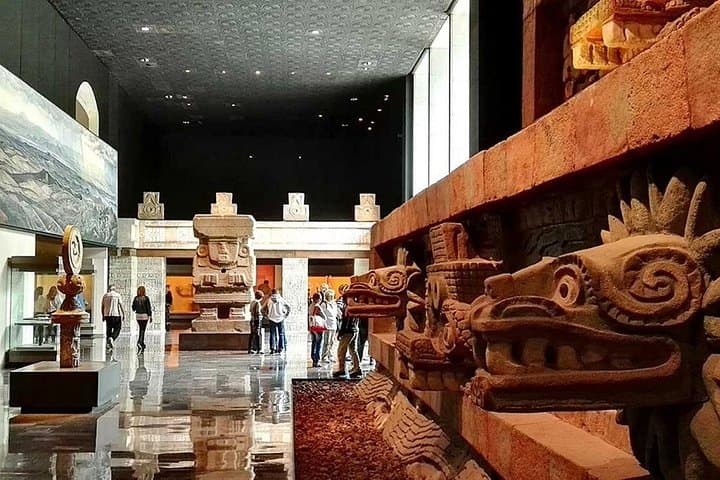
Teotihuacan predates the Aztecs and was once one of the largest cities in the pre-Columbian Americas. The pyramids are volcanic-stone monuments built on volcanic deposits and river-laid sediments, their platforms and talud-tablero facades hinting at a sophisticated urban plan and long-distance trade. Back in Mexico City, the Historic Center layers Spanish colonial architecture over Aztec ruins: the Metropolitan Cathedral and Zócalo sit atop centuries of contested space.
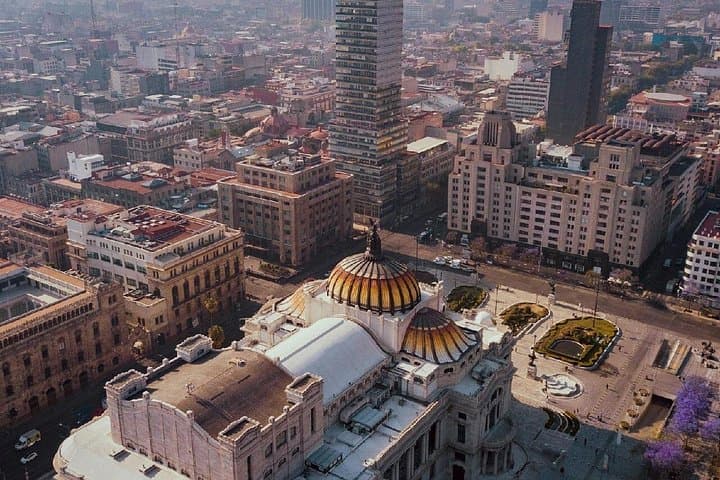
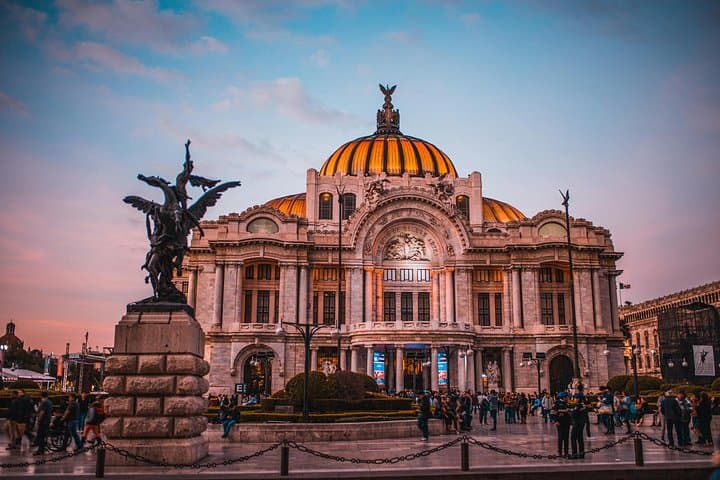
Expect guided storytelling—legends, archaeological context, and practical navigation of steep stairs and sun-exposed plazas. Plan for 9 hours: roughly 1 hour transfer each way, 2½–3 hours exploring the core pyramids and temples, and the afternoon walking circuits through the Zócalo, Templo Mayor, and Palacio de Bellas Artes.
Practical notes: bring a full water bottle, sun protection, and shoes with good grip; stairs on the pyramids are irregular and can be steep. If you’re sensitive to heat or have cardiovascular concerns, pause and use shaded breaks provided by guides. Midday is busiest—early departures avoid crowds and harsh sun. The route balances big-picture history with up-close archaeology, making it a full-day immersion in Mexico’s layered past.
Yes—this tour’s itinerary indicates admission to the archaeological zone is included during the pyramid visit.
Climbing is allowed on designated sections of the Sun and Moon pyramids; be prepared for steep, uneven steps and follow guide instructions for safety.
Lunch is optional; the tour lists an optional Historic Center meal—bring cash or advise dietary needs beforehand if included in a private booking.
Pickup is available only for private tours; group participants must meet at the designated meeting point provided after booking.
Vibe Adventures operates guided outdoor trips and adventures with an emphasis on safety, stewardship, and memorable experiences.
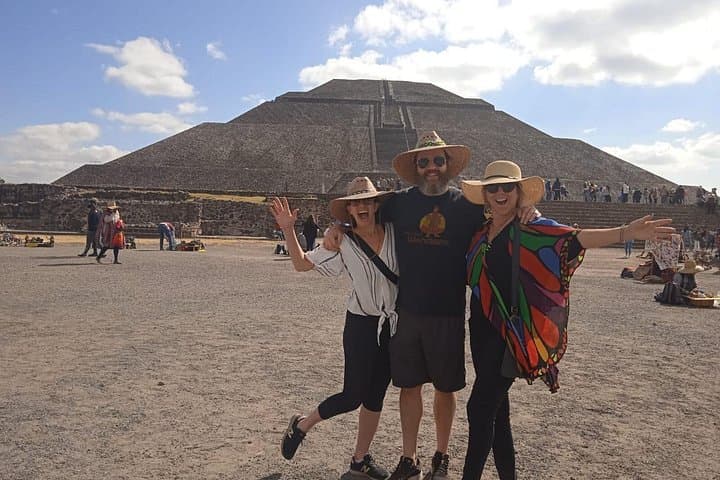
You step out of the van and the plateau opens wide: the Pyramid of the Sun rises like a patient giant, the Avenue of the Dead stretching away as if measuring time itself. Wind moves across the stone steps and the heat presses you upward; the city below seems a different world. The climb is physical, the views instant rewards—cerulean sky, tiled rooftops, the jagged silhouette of the Moon Pyramid against distant hills.
You step out of the van and the plateau opens wide: the Pyramid of the Sun rises like a patient giant, the Avenue of the Dead stretching away as if measuring time itself. Wind moves across the stone steps and the heat presses you upward; the city below seems a different world. The climb is physical, the views instant rewards—cerulean sky, tiled rooftops, the jagged silhouette of the Moon Pyramid against distant hills.
Teotihuacan predates the Aztecs and was once one of the largest cities in the pre-Columbian Americas. The pyramids are volcanic-stone monuments built on volcanic deposits and river-laid sediments, their platforms and talud-tablero facades hinting at a sophisticated urban plan and long-distance trade. Back in Mexico City, the Historic Center layers Spanish colonial architecture over Aztec ruins: the Metropolitan Cathedral and Zócalo sit atop centuries of contested space.
Expect guided storytelling—legends, archaeological context, and practical navigation of steep stairs and sun-exposed plazas. Plan for 9 hours: roughly 1 hour transfer each way, 2½–3 hours exploring the core pyramids and temples, and the afternoon walking circuits through the Zócalo, Templo Mayor, and Palacio de Bellas Artes.
Practical notes: bring a full water bottle, sun protection, and shoes with good grip; stairs on the pyramids are irregular and can be steep. If you’re sensitive to heat or have cardiovascular concerns, pause and use shaded breaks provided by guides. Midday is busiest—early departures avoid crowds and harsh sun. The route balances big-picture history with up-close archaeology, making it a full-day immersion in Mexico’s layered past.