THE ADVENTURE COLLECTIVE® · Independent discovery and booking for outdoor travel

Avoid the tourist traps and walk the Avenue of the Dead with knowledgeable guides. This morning or afternoon tour from Mexico City covers the Pyramids of the Sun and Moon, contextual history, and practical tips for a comfortable visit.
Avoid the tourist traps and walk the Avenue of the Dead with knowledgeable guides. This morning or afternoon tour from Mexico City covers the Pyramids of the Sun and Moon, contextual history, and practical tips for a comfortable visit.
A pale sun lifts over the Avenue of the Dead, and the scale of Teotihuacán comes into view: stone plazas, stepped slopes, and the broad silhouette of the Pyramid of the Sun cut against a highland sky. The guide threads context into each terrace and mural as the group walks—voices low, cameras quiet—so the site’s presence feels immediate rather than packaged.
Verified experiences and guided adventures in the surrounding area.
Operated by NUESTRO MEXICO TOURS · Teotihuacán, State of Mexico
A pale sun lifts over the Avenue of the Dead, and the scale of Teotihuacán comes into view: stone plazas, stepped slopes, and the broad silhouette of the Pyramid of the Sun cut against a highland sky. The guide threads context into each terrace and mural as the group walks—voices low, cameras quiet—so the site’s presence feels immediate rather than packaged.
Teotihuacán rose on the volcanic basin north of Mexico City between the 1st and 7th centuries CE and became one of Mesoamerica’s largest urban centers. Its main structures—the Pyramid of the Sun, the Pyramid of the Moon, the Temple of Quetzalcoatl and the Avenue of the Dead—sit on compacted volcanic stone and tezontle, shaped over centuries by ritual, trade and urban planning. The site’s influence spread across the region long before the Aztecs encountered these ruins and named them “place of the gods.”
Practicalities shape the experience: tours typically include a round-trip transfer from Mexico City (about 50 minutes each way), a 2–3 hour guided circuit covering roughly 2.5 km on mostly flat but exposed terrain, and a short window for vendor shopping. Altitude (≈2,300 m) and stair climbs make the visit moderately strenuous for some, so pace yourself on the Pyramid ascents.
Bring sun protection, water, and sturdy shoes; expect limited shade and few services on site. Morning departures reduce crowds and heat, while afternoon tours can offer warmer light for photography. Respect ropes and signage—climbing restrictions may change—and allow extra time if you want to linger at the plazas or local artisan stalls.
Expect about 2 hours and 40 minutes of guided touring through the main structures, plus free time for shopping and photos.
Climbing policies can change; the tour typically includes access to key viewpoints and stairways where permitted—follow guide instructions and posted restrictions.
Yes; the tour usually provides round-trip transport from Mexico City in air-conditioned vehicles (about a 50-minute drive each way).
Children may participate, but uneven ground and stairs make parts of the site challenging; stroller access is limited and some areas are not wheelchair accessible.
NUESTRO MEXICO TOURS operates guided outdoor trips and adventures with an emphasis on safety, stewardship, and memorable experiences.
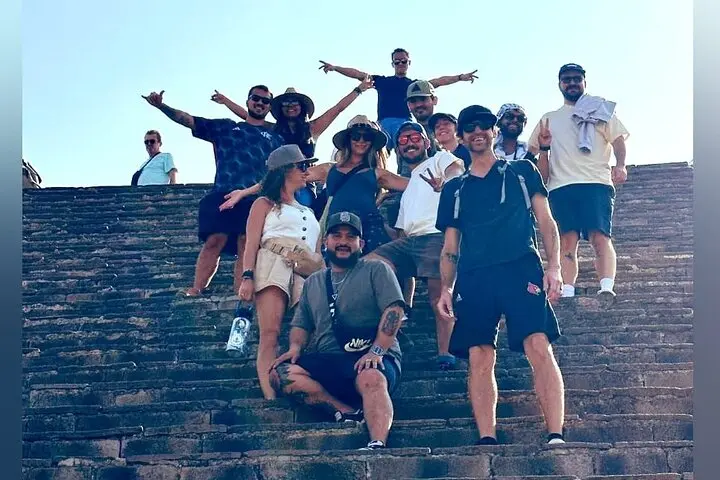
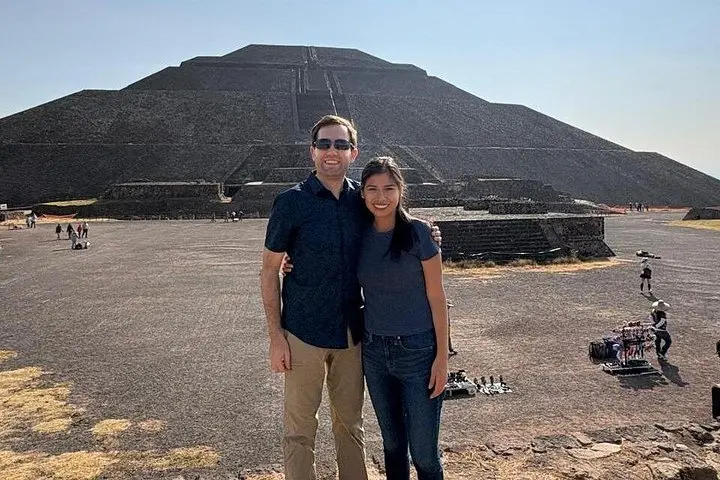
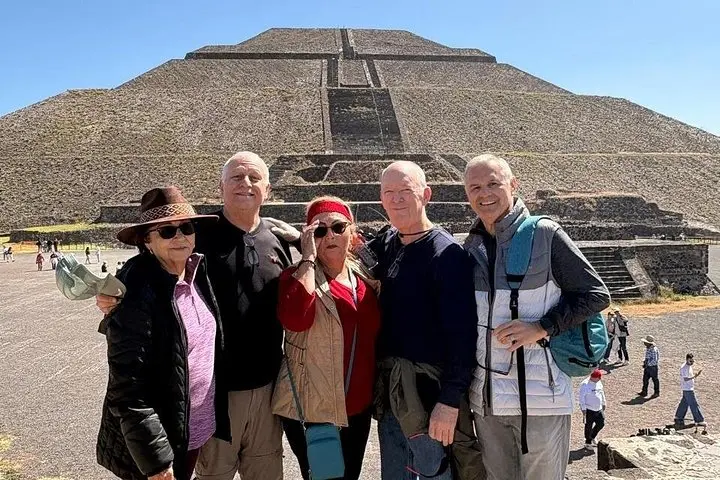
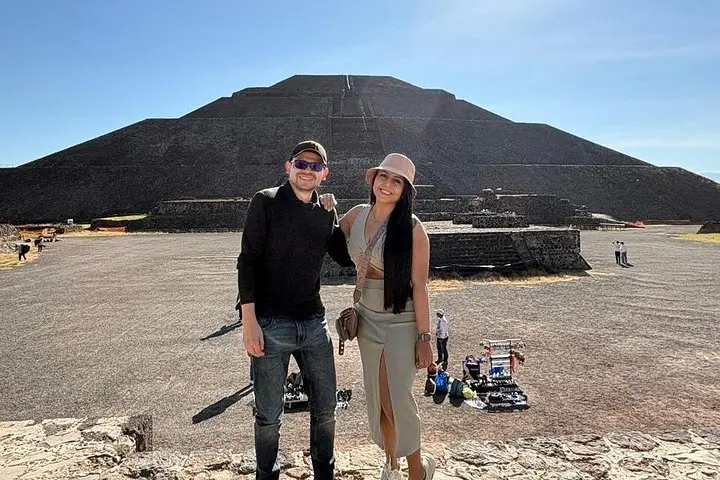
A pale sun lifts over the Avenue of the Dead, and the scale of Teotihuacán comes into view: stone plazas, stepped slopes, and the broad silhouette of the Pyramid of the Sun cut against a highland sky. The guide threads context into each terrace and mural as the group walks—voices low, cameras quiet—so the site’s presence feels immediate rather than packaged.
A pale sun lifts over the Avenue of the Dead, and the scale of Teotihuacán comes into view: stone plazas, stepped slopes, and the broad silhouette of the Pyramid of the Sun cut against a highland sky. The guide threads context into each terrace and mural as the group walks—voices low, cameras quiet—so the site’s presence feels immediate rather than packaged.
Teotihuacán rose on the volcanic basin north of Mexico City between the 1st and 7th centuries CE and became one of Mesoamerica’s largest urban centers. Its main structures—the Pyramid of the Sun, the Pyramid of the Moon, the Temple of Quetzalcoatl and the Avenue of the Dead—sit on compacted volcanic stone and tezontle, shaped over centuries by ritual, trade and urban planning. The site’s influence spread across the region long before the Aztecs encountered these ruins and named them “place of the gods.”
Practicalities shape the experience: tours typically include a round-trip transfer from Mexico City (about 50 minutes each way), a 2–3 hour guided circuit covering roughly 2.5 km on mostly flat but exposed terrain, and a short window for vendor shopping. Altitude (≈2,300 m) and stair climbs make the visit moderately strenuous for some, so pace yourself on the Pyramid ascents.
Bring sun protection, water, and sturdy shoes; expect limited shade and few services on site. Morning departures reduce crowds and heat, while afternoon tours can offer warmer light for photography. Respect ropes and signage—climbing restrictions may change—and allow extra time if you want to linger at the plazas or local artisan stalls.