THE ADVENTURE COLLECTIVE® · Independent discovery and booking for outdoor travel

Two guided dives off Terceira Island deliver volcanic reef topography, wreck fragments and rich marine life for certified divers. Expect thorough briefings, a surface interval, and variable Atlantic conditions that reward prepared divers with dramatic underwater scenery.
Two guided dives off Terceira Island deliver volcanic reef topography, wreck fragments and rich marine life for certified divers. Expect thorough briefings, a surface interval, and variable Atlantic conditions that reward prepared divers with dramatic underwater scenery.
Salt-air and basalt cliffs frame the morning as the dive boat slips away from Angra’s harbor, the Atlantic opening into a cool blue that dares you below the surface.
Verified experiences and guided adventures in the surrounding area.
Operated by Scubazores divers · Angra do Heroísmo, Azores
Salt-air and basalt cliffs frame the morning as the dive boat slips away from Angra’s harbor, the Atlantic opening into a cool blue that dares you below the surface.
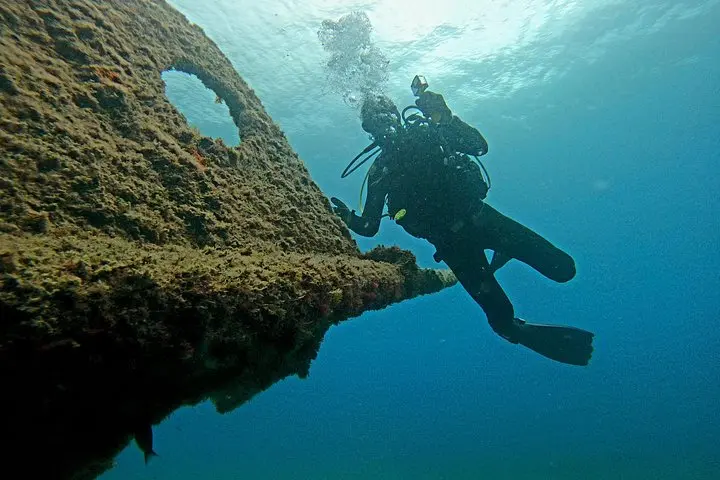
Terceira’s underwater topography is an extension of its volcanic identity—pillars, overhangs and collapsed lava tubes create a three-dimensional playground for experienced divers. Portuguese mariners and whalers once read these waters cautiously; today, modern guides point out historic wreck fragments and cold-water coral gardens that have colonized basalt outcrops.
Culturally, Terceira balances agricultural plateau and seafaring tradition: fishermen still mend nets and share local lore about seasonal migrations of tuna and bluefish. Geologically, the island is part of the Azores triple junction—expect sharp relief, reefs weathered by currents, and sudden depth changes that attract schooling fish and inquisitive rays.
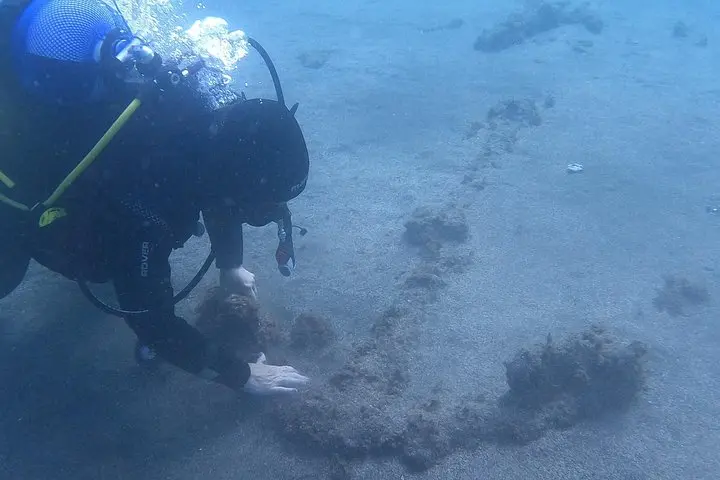
On this two-dive excursion (roughly four hours total), certified divers receive a safety and site briefing, surface interval debrief, and guided second dive—options may include wrecks, rocky pinnacles or scenic walls. Guides provide tanks, planning and insurance; divers should bring certification cards, logbooks and a practiced equalization routine.
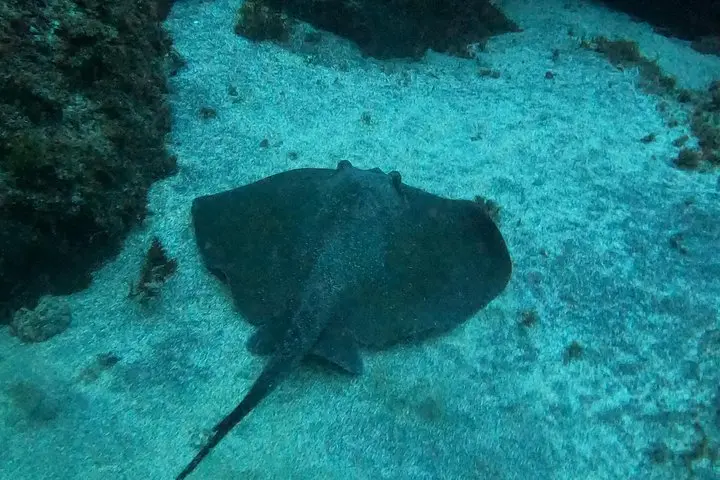
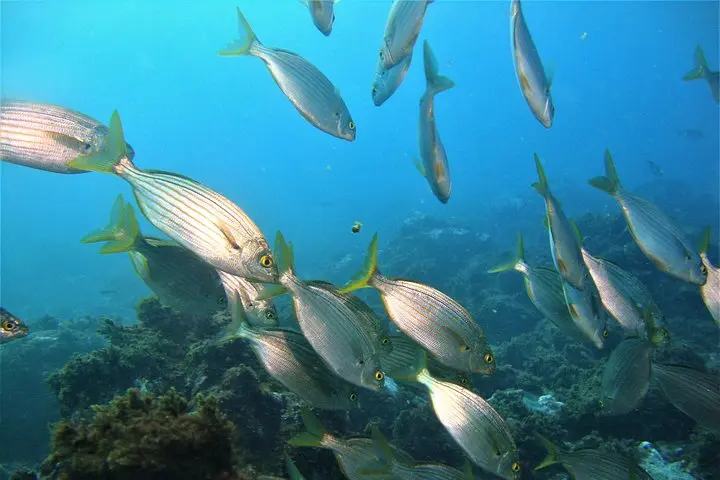
Plan for variable Atlantic conditions: thermoclines, surge near rocky shores and visibility that can shift with swell. Practical tips: pre-hydrate, eat lightly, and allow time to dry and warm between dives. Respect local rules on marine life interaction and follow your guide’s depth and time limits—these waters reward attentive divers with encounters ranging from dense fish clouds to solitary guitarfish resting on the sand.
Yes—this experience is for certified divers only; you’ll be asked to present proof of certification before boarding.
Depth depends on the chosen site but expect typical recreational depths from 12–30 meters (40–100 feet); guides will plan dives within recreational limits.
Tanks and briefing/guiding are provided; confirm whether full rental sets (BCD/regulator/wetsuit) are included or available for rent when booking.
Trips may be cancelled due to weather or sea state; the operator typically offers a full refund if canceled at least 24 hours ahead or for unsafe conditions.
Scubazores divers operates guided outdoor trips and adventures with an emphasis on safety, stewardship, and memorable experiences.
Salt-air and basalt cliffs frame the morning as the dive boat slips away from Angra’s harbor, the Atlantic opening into a cool blue that dares you below the surface.
Salt-air and basalt cliffs frame the morning as the dive boat slips away from Angra’s harbor, the Atlantic opening into a cool blue that dares you below the surface.
Terceira’s underwater topography is an extension of its volcanic identity—pillars, overhangs and collapsed lava tubes create a three-dimensional playground for experienced divers. Portuguese mariners and whalers once read these waters cautiously; today, modern guides point out historic wreck fragments and cold-water coral gardens that have colonized basalt outcrops.
Culturally, Terceira balances agricultural plateau and seafaring tradition: fishermen still mend nets and share local lore about seasonal migrations of tuna and bluefish. Geologically, the island is part of the Azores triple junction—expect sharp relief, reefs weathered by currents, and sudden depth changes that attract schooling fish and inquisitive rays.
On this two-dive excursion (roughly four hours total), certified divers receive a safety and site briefing, surface interval debrief, and guided second dive—options may include wrecks, rocky pinnacles or scenic walls. Guides provide tanks, planning and insurance; divers should bring certification cards, logbooks and a practiced equalization routine.
Plan for variable Atlantic conditions: thermoclines, surge near rocky shores and visibility that can shift with swell. Practical tips: pre-hydrate, eat lightly, and allow time to dry and warm between dives. Respect local rules on marine life interaction and follow your guide’s depth and time limits—these waters reward attentive divers with encounters ranging from dense fish clouds to solitary guitarfish resting on the sand.