THE ADVENTURE COLLECTIVE® · Independent discovery and booking for outdoor travel

Join a small‑group swim with wild dolphins off Terceira, where volcanic cliffs and nutrient-rich currents bring pods close to shore. Tours include snorkeling gear, a safety briefing, and a sighting guarantee—expect 2–3 hours on the water with variable sea conditions.
Join a small‑group swim with wild dolphins off Terceira, where volcanic cliffs and nutrient-rich currents bring pods close to shore. Tours include snorkeling gear, a safety briefing, and a sighting guarantee—expect 2–3 hours on the water with variable sea conditions.
You step off the quay and the Atlantic breathes cold and bright around the hull—Terceira’s black cliffs recede as the boat cuts toward open water. Sea spray dares you to lean over the rail; the crew scans the horizon with practiced patience until a dorsal fin punctures the surface and the group converges.
Verified experiences and guided adventures in the surrounding area.
Operated by OceanEmotion · Angra do Heroísmo, Azores
You step off the quay and the Atlantic breathes cold and bright around the hull—Terceira’s black cliffs recede as the boat cuts toward open water. Sea spray dares you to lean over the rail; the crew scans the horizon with practiced patience until a dorsal fin punctures the surface and the group converges.
The Azores sit on the Mid-Atlantic Ridge, volcanic slabs lifting islands from deep water and creating nutrient-rich currents that attract dolphins and whales. Terceira’s shores carry maritime history from Portuguese Age of Discovery to a 20th‑century whaling past, and today local guides combine that seafaring knowledge with marine-science practices to keep encounters respectful.
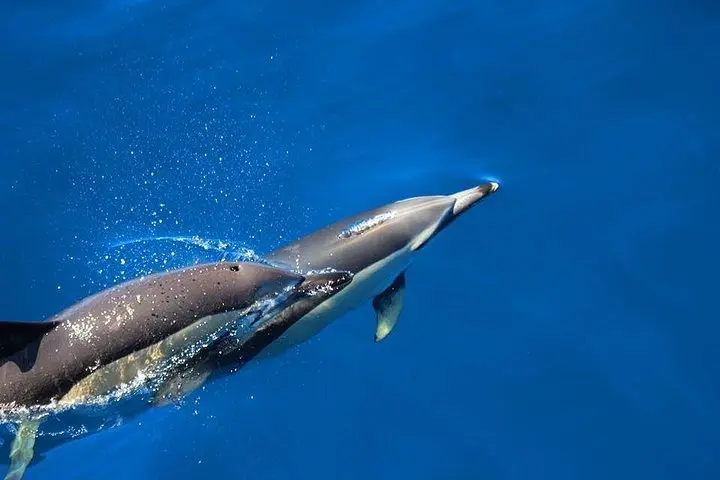
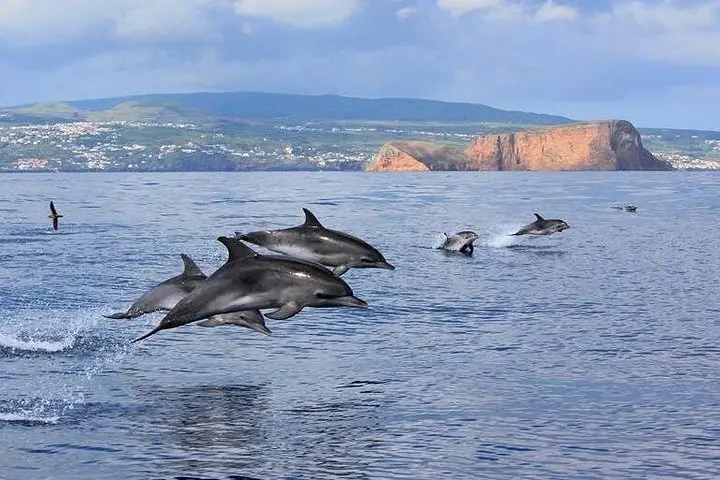
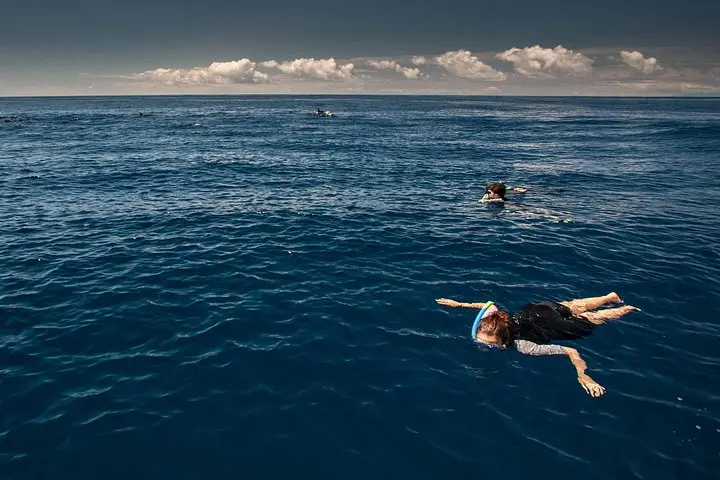
Expect variable seas, basalt headlands, and clear windows where the ocean goes glassy and pods approach in playful bands. Skippers look for common and bottlenose dolphins, occasionally larger cetaceans; snorkeling happens from a small zodiac or alongside the anchored boat, with a maximum small-group size to limit disturbance.
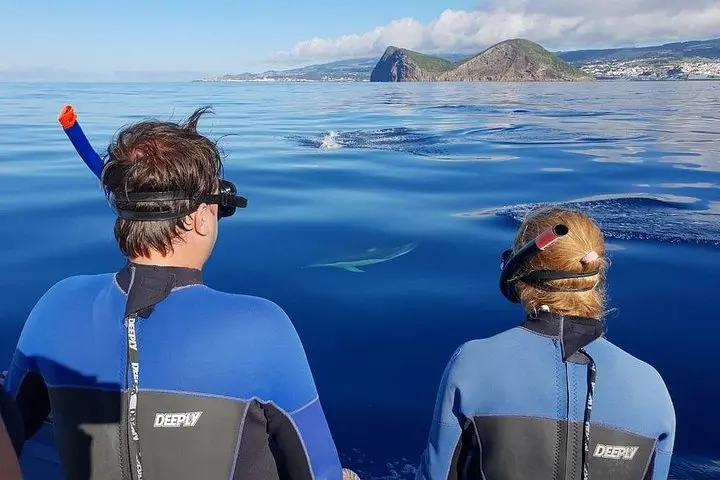
Practically, tours run about 2½ hours, include full snorkel kit and a safety briefing, and often offer a sighting guarantee or a free rebooking if no animals are seen. Come prepared for wind and spray: a wetsuit is commonly recommended, and timing your trip for earlier mornings increases calmer-water chances. If you’re prone to seasickness, take medication beforehand and tell the crew—safety and marine welfare drive decisions, so tours will be postponed in rough conditions. The experience is part adrenaline, part quiet observation: the dolphins set the pace, and you follow.
No single tour can guarantee wild animal behavior, but this operator offers a sighting guarantee—if no animals are seen you’ll be offered a free rebooking or refund.
Basic snorkeling ability is recommended; guides provide gear and a safety briefing, and staff assist with entry from small craft.
Licensed operators follow local regulations and codes of conduct—approaching passively, limiting group size, and avoiding feeding or touching to minimize disturbance.
Trips are canceled for safety in rough sea or poor visibility; the policy allows full refunds or rescheduling if the operator cancels.
OceanEmotion operates guided outdoor trips and adventures with an emphasis on safety, stewardship, and memorable experiences.
You step off the quay and the Atlantic breathes cold and bright around the hull—Terceira’s black cliffs recede as the boat cuts toward open water. Sea spray dares you to lean over the rail; the crew scans the horizon with practiced patience until a dorsal fin punctures the surface and the group converges.
You step off the quay and the Atlantic breathes cold and bright around the hull—Terceira’s black cliffs recede as the boat cuts toward open water. Sea spray dares you to lean over the rail; the crew scans the horizon with practiced patience until a dorsal fin punctures the surface and the group converges.
The Azores sit on the Mid-Atlantic Ridge, volcanic slabs lifting islands from deep water and creating nutrient-rich currents that attract dolphins and whales. Terceira’s shores carry maritime history from Portuguese Age of Discovery to a 20th‑century whaling past, and today local guides combine that seafaring knowledge with marine-science practices to keep encounters respectful.
Expect variable seas, basalt headlands, and clear windows where the ocean goes glassy and pods approach in playful bands. Skippers look for common and bottlenose dolphins, occasionally larger cetaceans; snorkeling happens from a small zodiac or alongside the anchored boat, with a maximum small-group size to limit disturbance.
Practically, tours run about 2½ hours, include full snorkel kit and a safety briefing, and often offer a sighting guarantee or a free rebooking if no animals are seen. Come prepared for wind and spray: a wetsuit is commonly recommended, and timing your trip for earlier mornings increases calmer-water chances. If you’re prone to seasickness, take medication beforehand and tell the crew—safety and marine welfare drive decisions, so tours will be postponed in rough conditions. The experience is part adrenaline, part quiet observation: the dolphins set the pace, and you follow.