THE ADVENTURE COLLECTIVE® · Independent discovery and booking for outdoor travel

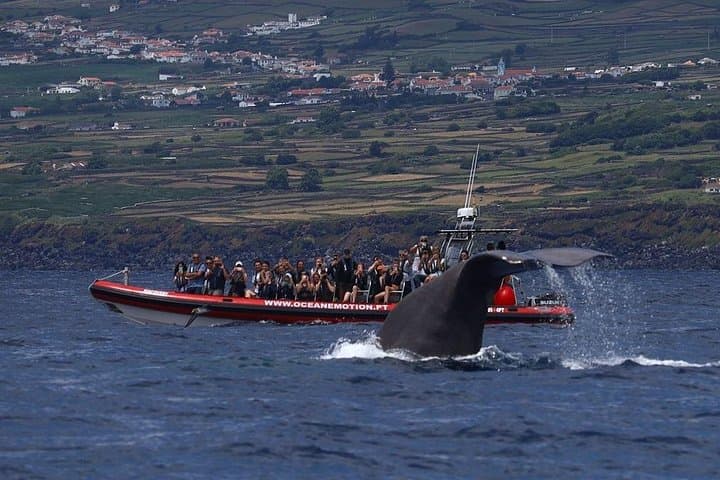
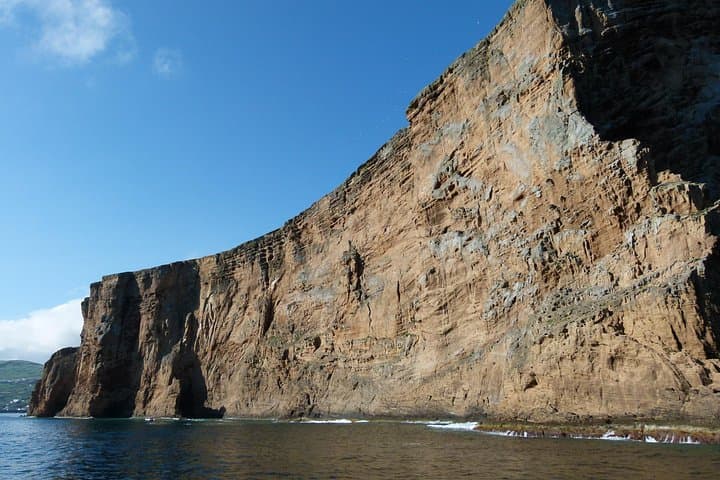
Head offshore from Angra do Heroísmo for a 4.5-hour boat tour combining whale and dolphin watching with a close approach to the volcanic islets of Ilhéus das Cabras. Expect hydrophone listening, an on-board spotter team, and the chance to swim near the islets when sea conditions allow.
Head offshore from Angra do Heroísmo for a 4.5-hour boat tour combining whale and dolphin watching with a close approach to the volcanic islets of Ilhéus das Cabras. Expect hydrophone listening, an on-board spotter team, and the chance to swim near the islets when sea conditions allow.
A low sun kisses the Atlantic and the boat cleaves a glassy seam toward the open sea. Salt spray cools your face, seabirds wheel and call, and the guide trains binoculars on the horizon — the island’s underwater giants could surface at any moment. The hydrophone, tucked into the water, turns distant clicks into a living soundtrack that reminds you these are wild animals, not zoo displays.
Verified experiences and guided adventures in the surrounding area.
Operated by OceanEmotion · Angra do Heroísmo, Azores
A low sun kisses the Atlantic and the boat cleaves a glassy seam toward the open sea. Salt spray cools your face, seabirds wheel and call, and the guide trains binoculars on the horizon — the island’s underwater giants could surface at any moment. The hydrophone, tucked into the water, turns distant clicks into a living soundtrack that reminds you these are wild animals, not zoo displays.
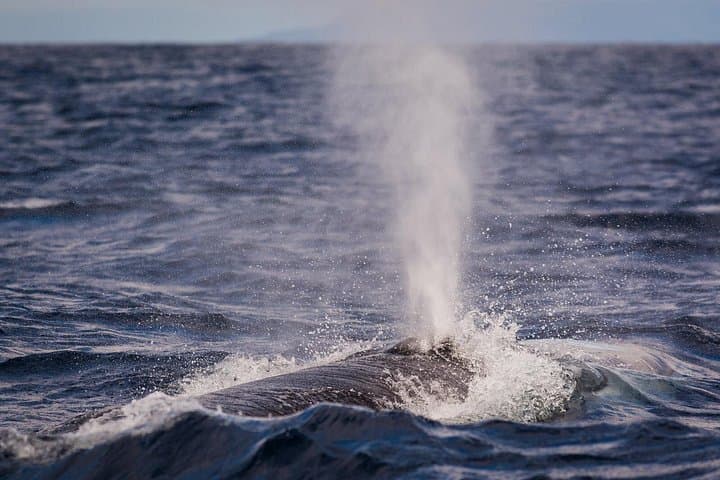
Terceira sits in the Azores volcanic chain; the Ilhéus das Cabras are weathered basalt stacks forged by ancient eruptions and constant Atlantic battering. That geology concentrates marine nutrients and attracts a rich food web — hence the Azores’ reputation for cetacean diversity, including sperm whales, common dolphins and migratory species. Angra do Heroísmo’s maritime history frames the tour: these waters have guided sailors for centuries and now support both fishing and conservation efforts.
Practically, expect a 4.5-hour outing with onboard spotters, a sighting guarantee, wind jackets and a hydrophone provided. Tours may include a stop to explore or swim near Ilhéus das Cabras when conditions allow; bring a waterproof bag for camera gear. Be ready for changing seas — motion can be brisk even on calm mornings — and follow the crew’s instructions for safe approaches to marine life. If rough weather cancels the run, operators refund or reschedule.
This trip balances cinematic wildlife encounters with straightforward logistics: arrive early, layer for variable wind and spray, carry seasickness remedies if you’re prone, and plan your day in Angra around the tour’s midday return. It’s a hands-on way to meet the Azores at sea — sensory, immediate and governed by marine rhythms, not timetables.
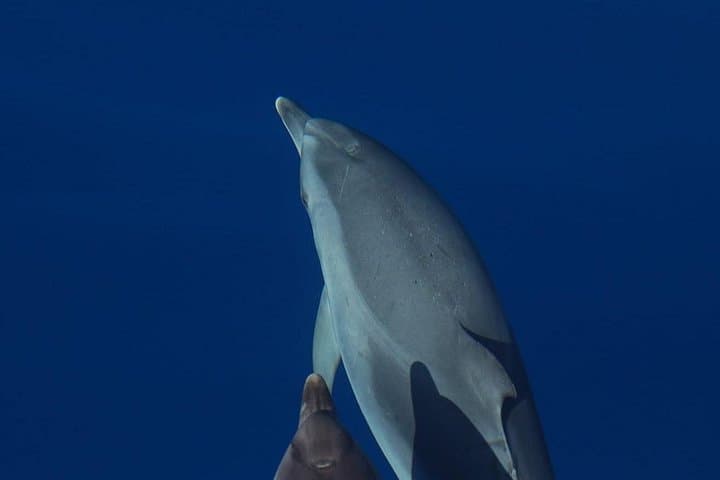
The Azores host many cetaceans—common dolphins, bottlenose dolphins and sperm whales are regularly sighted; sightings vary by season and conditions.
Swimming is possible during some tours when sea and weather conditions permit; the crew will advise on safety and timing.
Yes—children must be accompanied by an adult; infant seats are available and the activity is generally suitable for all fitness levels.
Operators offer a free rebooking if no cetaceans are seen on your tour, or a full refund if weather forces cancellation.
OceanEmotion operates guided outdoor trips and adventures with an emphasis on safety, stewardship, and memorable experiences.
A low sun kisses the Atlantic and the boat cleaves a glassy seam toward the open sea. Salt spray cools your face, seabirds wheel and call, and the guide trains binoculars on the horizon — the island’s underwater giants could surface at any moment. The hydrophone, tucked into the water, turns distant clicks into a living soundtrack that reminds you these are wild animals, not zoo displays.
A low sun kisses the Atlantic and the boat cleaves a glassy seam toward the open sea. Salt spray cools your face, seabirds wheel and call, and the guide trains binoculars on the horizon — the island’s underwater giants could surface at any moment. The hydrophone, tucked into the water, turns distant clicks into a living soundtrack that reminds you these are wild animals, not zoo displays.
Terceira sits in the Azores volcanic chain; the Ilhéus das Cabras are weathered basalt stacks forged by ancient eruptions and constant Atlantic battering. That geology concentrates marine nutrients and attracts a rich food web — hence the Azores’ reputation for cetacean diversity, including sperm whales, common dolphins and migratory species. Angra do Heroísmo’s maritime history frames the tour: these waters have guided sailors for centuries and now support both fishing and conservation efforts.
Practically, expect a 4.5-hour outing with onboard spotters, a sighting guarantee, wind jackets and a hydrophone provided. Tours may include a stop to explore or swim near Ilhéus das Cabras when conditions allow; bring a waterproof bag for camera gear. Be ready for changing seas — motion can be brisk even on calm mornings — and follow the crew’s instructions for safe approaches to marine life. If rough weather cancels the run, operators refund or reschedule.
This trip balances cinematic wildlife encounters with straightforward logistics: arrive early, layer for variable wind and spray, carry seasickness remedies if you’re prone, and plan your day in Angra around the tour’s midday return. It’s a hands-on way to meet the Azores at sea — sensory, immediate and governed by marine rhythms, not timetables.