THE ADVENTURE COLLECTIVE® · Independent discovery and booking for outdoor travel

Walk the walls and the memory of Terezín on a 10-hour guided day trip from Prague. Explore baroque fortifications, the Small Fortress prison, and memorial sites with a professional guide who situates architecture, wartime policy, and first-hand testimony.
Walk the walls and the memory of Terezín on a 10-hour guided day trip from Prague. Explore baroque fortifications, the Small Fortress prison, and memorial sites with a professional guide who situates architecture, wartime policy, and first-hand testimony.
You arrive from Prague along low farmland and a river bend; the fortress walls rise like an engineered island, brick and earthwork cutting through the winter light. Inside, streets run along the ramparts and the cold air carries the quiet of places that measured time in confinement rather than clocks.
Verified experiences and guided adventures in the surrounding area.
Operated by Explore Prague · Terezín, Ústí nad Labem Region
You arrive from Prague along low farmland and a river bend; the fortress walls rise like an engineered island, brick and earthwork cutting through the winter light. Inside, streets run along the ramparts and the cold air carries the quiet of places that measured time in confinement rather than clocks.
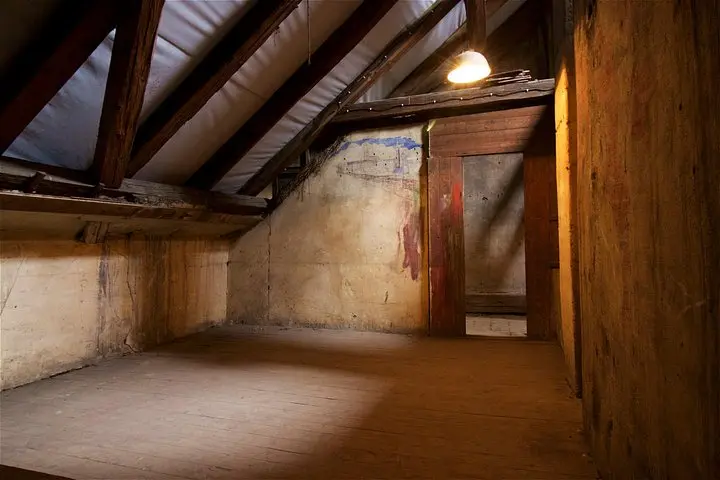
Terezín (Terezin) began as one of Europe’s most advanced baroque fortresses in the late 18th century. In the 20th century those same walls were repurposed by the Nazi regime as a Jewish ghetto and as the Small Fortress Gestapo prison. The memorial complex today weaves military architecture, civic histories, and painful wartime testimony: crematorium remains, the columbarium, and the cramped cells of the Small Fortress offer different angles on how space and policy intersected.
Geologically the site sits on low-lying floodplain near the Elbe and Ohře rivers; the fortifications used local masonry and earth to absorb artillery fire, which explains the broad, walkable ramparts and tunnels you’ll explore.
Practical guidance: expect a full-day excursion (roughly 10 hours round-trip from Prague), much standing and walking on uneven cobbles and steep interior stairs, and emotionally heavy exhibits. Bring a water bottle, stable footwear, and layers for variable indoor/outdoor conditions. Guides typically include admissions to the memorial areas; allow quiet time at the memorials and plan travel back to Prague in the evening. The visit is historically dense and best experienced with patience and respect.
The organized day trip lasts about 10 hours round-trip and typically departs from central Prague meeting points; check local confirmation for exact pickup or meeting location.
Guided tours commonly include admissions to the Small Fortress, the crematorium area and the Terezín memorial sites—confirm on booking as inclusions can vary.
The visit contains intense wartime material and is generally not recommended for children under 12; minimum age policies on some tours may be 5 years.
Many original fortification areas and prison cells have stairs and narrow passages; wheelchair access is limited—contact the operator for specific accessibility options.
Explore Prague operates guided outdoor trips and adventures with an emphasis on safety, stewardship, and memorable experiences.
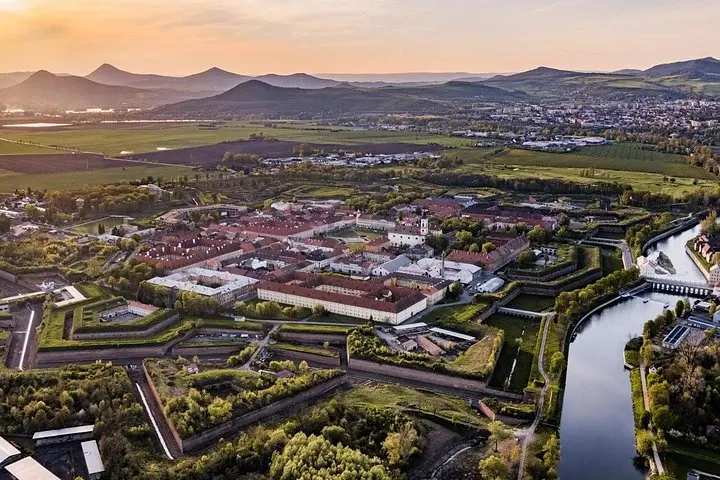
You arrive from Prague along low farmland and a river bend; the fortress walls rise like an engineered island, brick and earthwork cutting through the winter light. Inside, streets run along the ramparts and the cold air carries the quiet of places that measured time in confinement rather than clocks.
You arrive from Prague along low farmland and a river bend; the fortress walls rise like an engineered island, brick and earthwork cutting through the winter light. Inside, streets run along the ramparts and the cold air carries the quiet of places that measured time in confinement rather than clocks.
Terezín (Terezin) began as one of Europe’s most advanced baroque fortresses in the late 18th century. In the 20th century those same walls were repurposed by the Nazi regime as a Jewish ghetto and as the Small Fortress Gestapo prison. The memorial complex today weaves military architecture, civic histories, and painful wartime testimony: crematorium remains, the columbarium, and the cramped cells of the Small Fortress offer different angles on how space and policy intersected.
Geologically the site sits on low-lying floodplain near the Elbe and Ohře rivers; the fortifications used local masonry and earth to absorb artillery fire, which explains the broad, walkable ramparts and tunnels you’ll explore.
Practical guidance: expect a full-day excursion (roughly 10 hours round-trip from Prague), much standing and walking on uneven cobbles and steep interior stairs, and emotionally heavy exhibits. Bring a water bottle, stable footwear, and layers for variable indoor/outdoor conditions. Guides typically include admissions to the memorial areas; allow quiet time at the memorials and plan travel back to Prague in the evening. The visit is historically dense and best experienced with patience and respect.