THE ADVENTURE COLLECTIVE® · Independent discovery and booking for outdoor travel

A five‑hour coach tour from Prague brings you to Terezín’s small and big fortresses and the crematorium, guided visits that combine Habsburg military architecture with stark World War II history. Expect focused exhibits, cobbled grounds, and time for reflection.
A five‑hour coach tour from Prague brings you to Terezín’s small and big fortresses and the crematorium, guided visits that combine Habsburg military architecture with stark World War II history. Expect focused exhibits, cobbled grounds, and time for reflection.
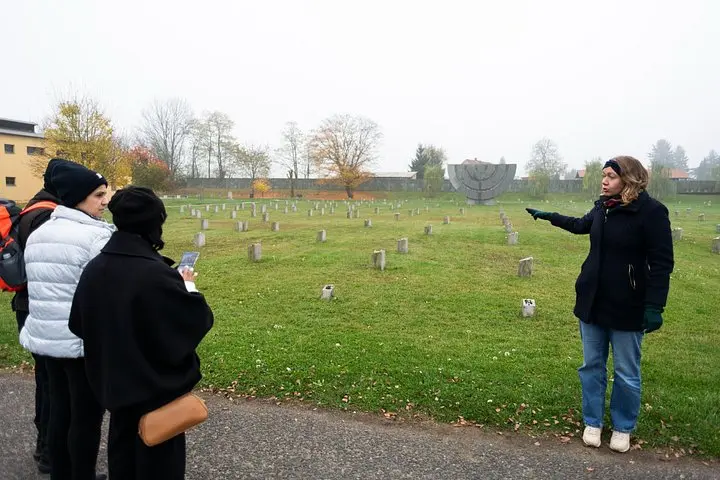
You step off an air-conditioned coach onto a cobbled parade ground framed by low brick ramparts and the cold geometry of 18th‑century fortifications. The wind moves across the dry grass where soldiers once marched; now the quiet is held by plaques, barracks and rooms that recall the tighter, bleaker chapters of the 20th century. A guide leads the group through corridors once repurposed for an imposed “residence,” explaining small details that make the site human and historical.
Verified experiences and guided adventures in the surrounding area.
Operated by Premiant City Tour · Terezín, Ústí nad Labem Region
You step off an air-conditioned coach onto a cobbled parade ground framed by low brick ramparts and the cold geometry of 18th‑century fortifications. The wind moves across the dry grass where soldiers once marched; now the quiet is held by plaques, barracks and rooms that recall the tighter, bleaker chapters of the 20th century. A guide leads the group through corridors once repurposed for an imposed “residence,” explaining small details that make the site human and historical.
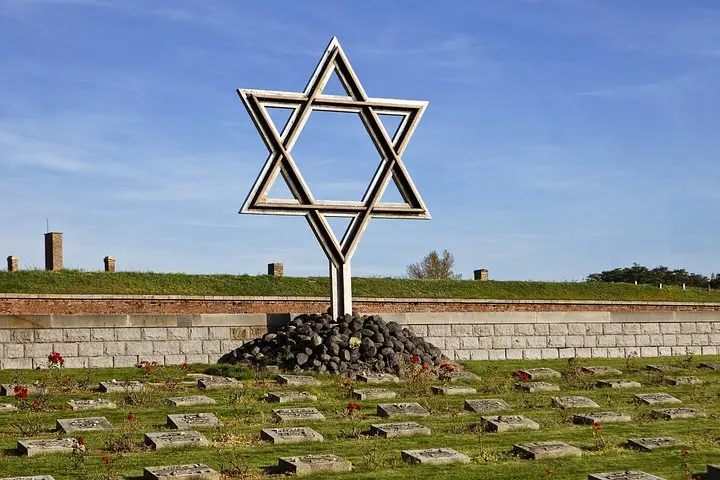
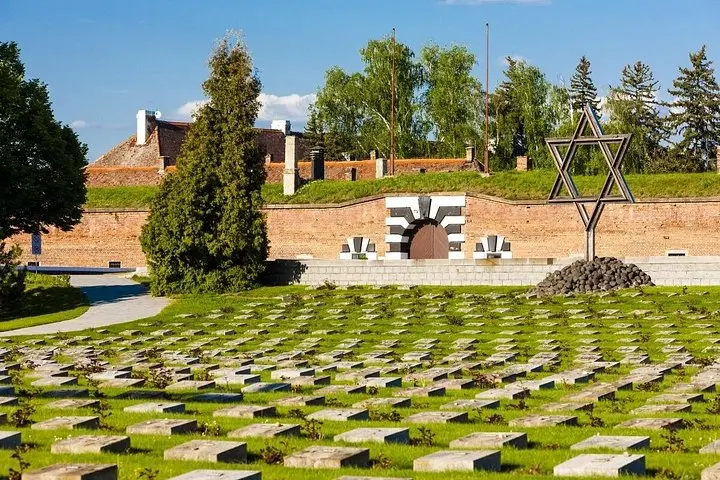
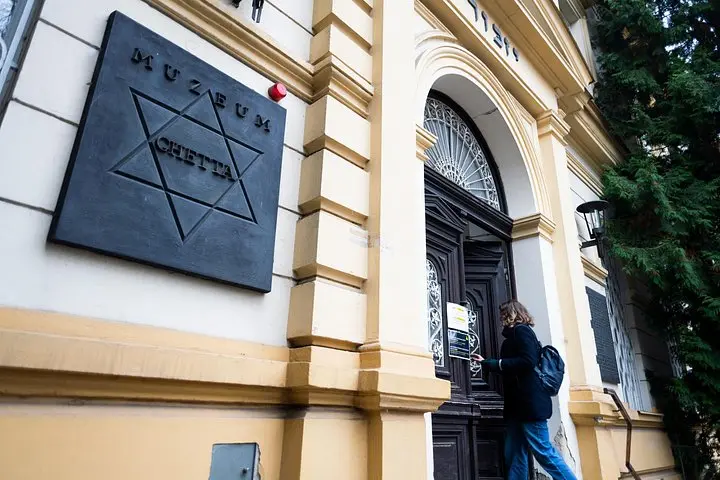
Terezín began as a military fortress built under Emperor Josef II and later was turned into the Theresienstadt ghetto and transit camp during World War II. The tour typically covers the Small Fortress (once a prison), the larger walled town, and the crematorium complex—sites that are both architectural relics of Habsburg military design and grim markers of the Holocaust. Geology here is unremarkable—flat floodplain terrain north of Prague—so the experience is cultural and documentary rather than scenic.
Expect a 5‑hour round trip by coach, an expert guide, and included entrance tickets. The itinerary balances exposition with time for quiet reflection; visitors often combine the visit with nearby Litoměřice or the Kingdom of Railways ticket offered with the tour. Practical notes: wear comfortable shoes for cobbles, bring ID, and plan for minimal elevation change but extended standing. Photography rules vary by room—follow your guide. Allow time after the visit to process the material; there’s value in walking the ramparts slowly and letting the place’s history register before you return to Prague.
The tour is approximately five hours round trip, including transportation by air‑conditioned bus and guided time at the Small Fortress, the larger walled town, and the crematorium area.
Yes—entrance tickets to the memorial sites are included in the tour price, as noted in the itinerary.
The tour notes that infants can use foldable strollers and that the route is physically easy, but some areas have steps or tight rooms—parents should plan accordingly.
Photography rules vary by room; the guide will explain restrictions—always follow posted signs and staff requests, especially in memorial spaces.
Premiant City Tour operates guided outdoor trips and adventures with an emphasis on safety, stewardship, and memorable experiences.
You step off an air-conditioned coach onto a cobbled parade ground framed by low brick ramparts and the cold geometry of 18th‑century fortifications. The wind moves across the dry grass where soldiers once marched; now the quiet is held by plaques, barracks and rooms that recall the tighter, bleaker chapters of the 20th century. A guide leads the group through corridors once repurposed for an imposed “residence,” explaining small details that make the site human and historical.
You step off an air-conditioned coach onto a cobbled parade ground framed by low brick ramparts and the cold geometry of 18th‑century fortifications. The wind moves across the dry grass where soldiers once marched; now the quiet is held by plaques, barracks and rooms that recall the tighter, bleaker chapters of the 20th century. A guide leads the group through corridors once repurposed for an imposed “residence,” explaining small details that make the site human and historical.
Terezín began as a military fortress built under Emperor Josef II and later was turned into the Theresienstadt ghetto and transit camp during World War II. The tour typically covers the Small Fortress (once a prison), the larger walled town, and the crematorium complex—sites that are both architectural relics of Habsburg military design and grim markers of the Holocaust. Geology here is unremarkable—flat floodplain terrain north of Prague—so the experience is cultural and documentary rather than scenic.
Expect a 5‑hour round trip by coach, an expert guide, and included entrance tickets. The itinerary balances exposition with time for quiet reflection; visitors often combine the visit with nearby Litoměřice or the Kingdom of Railways ticket offered with the tour. Practical notes: wear comfortable shoes for cobbles, bring ID, and plan for minimal elevation change but extended standing. Photography rules vary by room—follow your guide. Allow time after the visit to process the material; there’s value in walking the ramparts slowly and letting the place’s history register before you return to Prague.