THE ADVENTURE COLLECTIVE® · Independent discovery and booking for outdoor travel

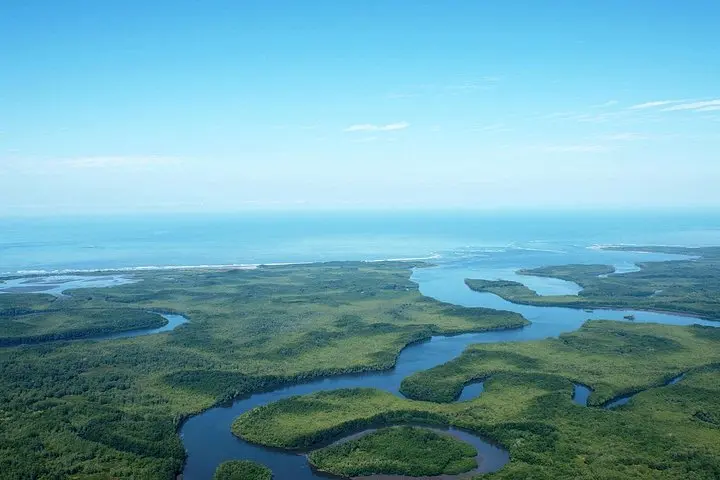
Glide into Costa Rica’s largest wetland on a guided 2–3 hour boat or kayak trip from Sierpe. Expect close wildlife encounters, archaeological context, and practical tips for making the most of tidal channels and quiet side estuaries.
Glide into Costa Rica’s largest wetland on a guided 2–3 hour boat or kayak trip from Sierpe. Expect close wildlife encounters, archaeological context, and practical tips for making the most of tidal channels and quiet side estuaries.
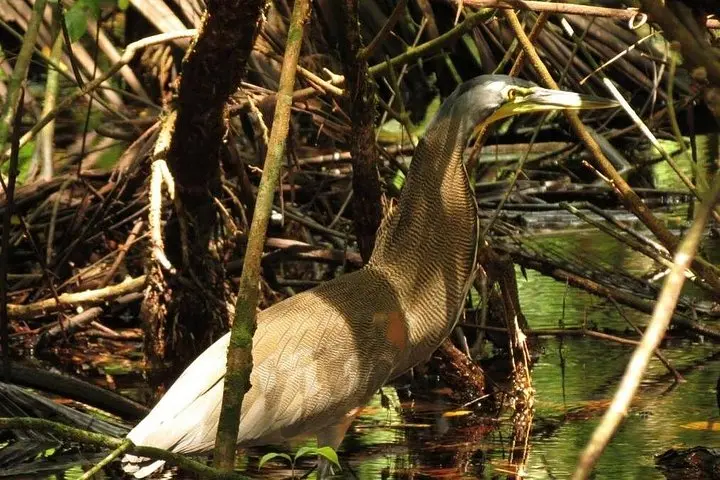
You push off from Sierpe at low tide and the river takes the lead—black water threading through grey roots, propelling you deeper into a world where the mangrove seems to breathe. Herons stand like patient sentries; distant monkeys call from the canopy. The boat slips into narrower channels and the trees close around you, their aerial roots daring you to read the currents.
Verified experiences and guided adventures in the surrounding area.
Operated by Agencia de Viajes Costa Rica te Enamora · Sierpe, Puntarenas
You push off from Sierpe at low tide and the river takes the lead—black water threading through grey roots, propelling you deeper into a world where the mangrove seems to breathe. Herons stand like patient sentries; distant monkeys call from the canopy. The boat slips into narrower channels and the trees close around you, their aerial roots daring you to read the currents.
The Térraba-Sierpe complex is Costa Rica’s largest wetland, shaped by rivers depositing sediment against a Pacific tide. Archaeological finds show human presence here for centuries—stone spheres and pre-Columbian settlements remind visitors that people have long read the rhythms of these waters. Geologically, the mudflats and tidal channels form rich nurseries for fish and crustaceans; culturally, the mangrove supports local fishing communities who still navigate the same channels.
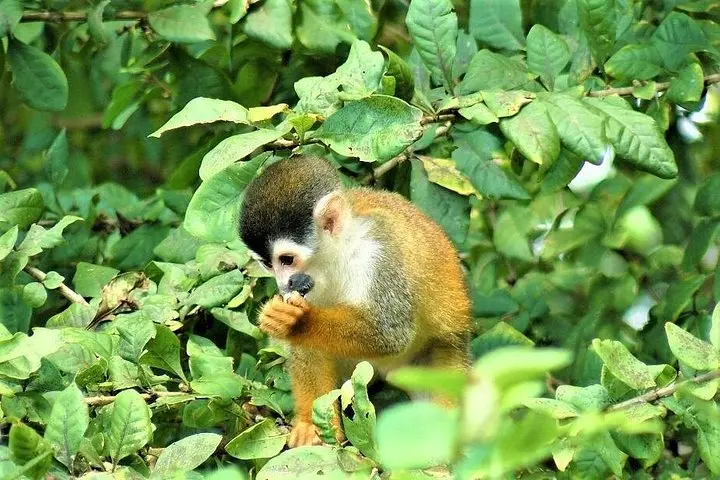
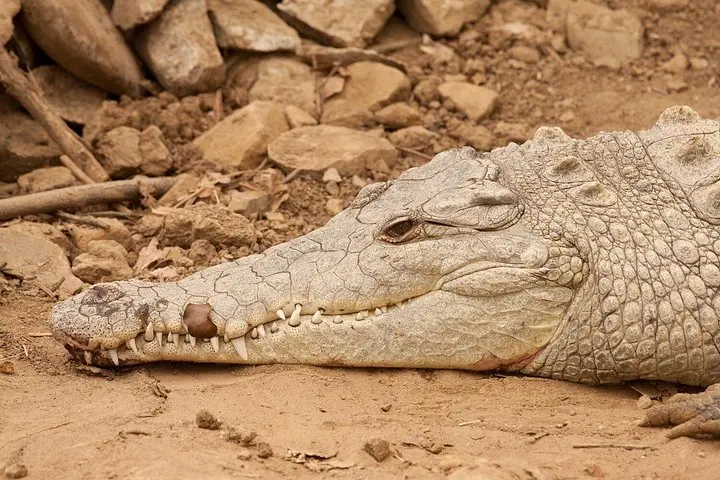
Expect guided interpretation of flora and fauna—about 40 bird species, caimans, white-faced monkeys, mangrove boas, and the odd Jesus Christ lizard. Guides point out how mangroves sequester carbon and protect shorelines, so the tour mixes natural history with on-the-water observation.
Practical notes: the trip runs roughly 2–3 hours and is suitable for most fitness levels; you can choose a motor boat or a kayak option if you want more contact with the water. Bring insect repellent, sun protection, a waterproof bag for electronics, and binoculars for birds. Morning departures usually offer calmer water and better bird activity; avoid tight footwear that traps mud. With modest exertion and good timing, the Térraba-Sierpe tour is a compact, informative window into one of Central America’s most important wetlands.
Tours typically run 2–3 hours depending on tide and group size, with morning departures common for best wildlife viewing.
Yes—operators usually offer motor boat or kayak options; kayak trips require basic paddling and offer quieter, closer access to channels.
The tour is rated easy and suitable for most fitness levels, but boarding small boats may be difficult for those with severe mobility issues; infant seats may be available.
Guides often spot herons, kingfishers, white-faced monkeys, caimans, mangrove snakes, and other estuarine species, though sightings depend on time of day and tide.
Agencia de Viajes Costa Rica te Enamora operates guided outdoor trips and adventures with an emphasis on safety, stewardship, and memorable experiences.
You push off from Sierpe at low tide and the river takes the lead—black water threading through grey roots, propelling you deeper into a world where the mangrove seems to breathe. Herons stand like patient sentries; distant monkeys call from the canopy. The boat slips into narrower channels and the trees close around you, their aerial roots daring you to read the currents.
You push off from Sierpe at low tide and the river takes the lead—black water threading through grey roots, propelling you deeper into a world where the mangrove seems to breathe. Herons stand like patient sentries; distant monkeys call from the canopy. The boat slips into narrower channels and the trees close around you, their aerial roots daring you to read the currents.
The Térraba-Sierpe complex is Costa Rica’s largest wetland, shaped by rivers depositing sediment against a Pacific tide. Archaeological finds show human presence here for centuries—stone spheres and pre-Columbian settlements remind visitors that people have long read the rhythms of these waters. Geologically, the mudflats and tidal channels form rich nurseries for fish and crustaceans; culturally, the mangrove supports local fishing communities who still navigate the same channels.
Expect guided interpretation of flora and fauna—about 40 bird species, caimans, white-faced monkeys, mangrove boas, and the odd Jesus Christ lizard. Guides point out how mangroves sequester carbon and protect shorelines, so the tour mixes natural history with on-the-water observation.
Practical notes: the trip runs roughly 2–3 hours and is suitable for most fitness levels; you can choose a motor boat or a kayak option if you want more contact with the water. Bring insect repellent, sun protection, a waterproof bag for electronics, and binoculars for birds. Morning departures usually offer calmer water and better bird activity; avoid tight footwear that traps mud. With modest exertion and good timing, the Térraba-Sierpe tour is a compact, informative window into one of Central America’s most important wetlands.