THE ADVENTURE COLLECTIVE® · Independent discovery and booking for outdoor travel

Taste AOP Terrasses du Larzac wines, visit a traditional oil mill, and wander the medieval streets of Saint-Guilhem-le-Désert on a full-day excursion from Montpellier. Ideal for food and history lovers, with seasonal lavender in mid-June to mid-July.
Taste AOP Terrasses du Larzac wines, visit a traditional oil mill, and wander the medieval streets of Saint-Guilhem-le-Désert on a full-day excursion from Montpellier. Ideal for food and history lovers, with seasonal lavender in mid-June to mid-July.
A morning on the Terrasses du Larzac opens with light on limestone: terraces step down the slope, vineyards catching the Provençal sun while garrigue bushes scent the air. Your van eases away from Montpellier and the landscape loosens into wide skies and the low, wind-carved plateaus of the Larzac region.
Verified experiences and guided adventures in the surrounding area.
Operated by Destination Occitanie · Montpellier, Occitanie
A morning on the Terrasses du Larzac opens with light on limestone: terraces step down the slope, vineyards catching the Provençal sun while garrigue bushes scent the air. Your van eases away from Montpellier and the landscape loosens into wide skies and the low, wind-carved plateaus of the Larzac region.
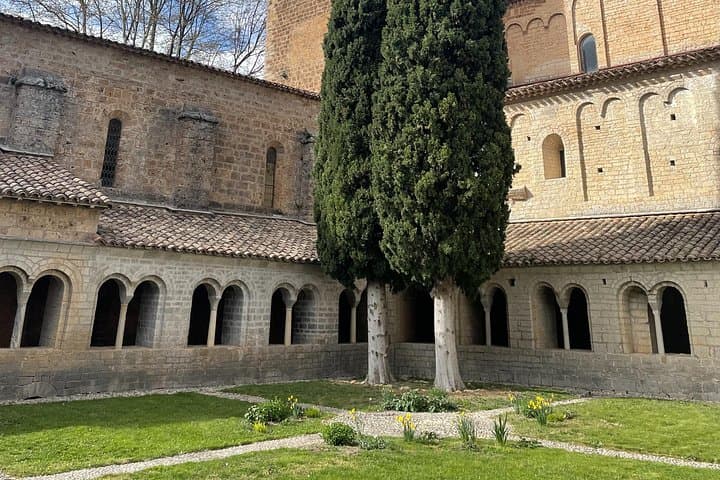
The area’s story is geological and human. Limestone plateaus and calcareous terraces force vines to dig deep, concentrating flavors that became the AOP Terrasses du Larzac. Centuries-old olive trees and a traditional oil mill reveal Mediterranean agricultural techniques; Saint-Guilhem-le-Désert, a UNESCO-listed medieval village, anchors the route with its abbey and narrow, stone alleys once walked by pilgrims.
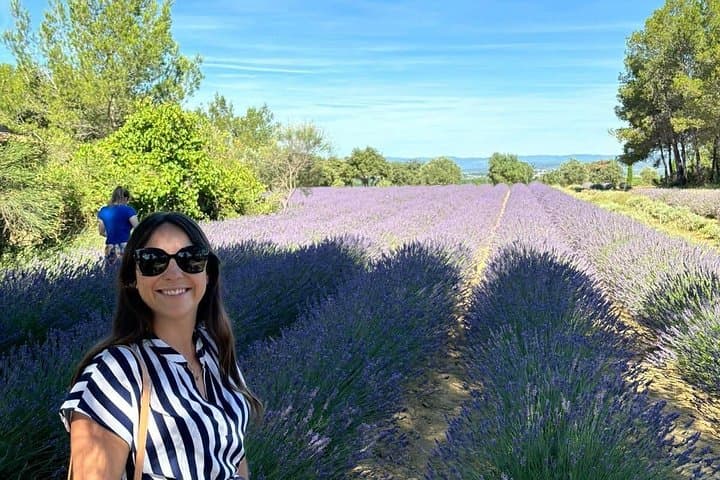
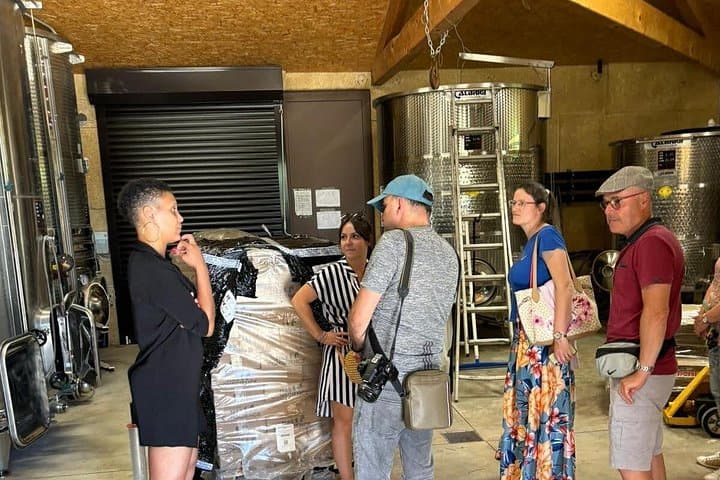
You’ll move between tasting rooms and working estates: cellar tours explain vinification and aging, a vineyard picnic brings wines to the palate against vineyard views, and the oil mill demonstration clarifies pressing and tasting. In summer, lavender fields claim the ridgelines (best mid-June to mid-July) and the landscape hums with insects; off-season, the air is drier and the vines more skeletal.
Practical matters: the full-day itinerary runs about seven hours with transport from Montpellier, moderate walking on uneven vineyard paths and cobbled village streets, and multiple seated tastings. Bring layered clothing for breezy ridgelines, sun protection, and a reusable bottle for walks between stops. Expect relaxed pacing aimed at food and history lovers rather than strenuous hiking—this is a day of taste, place, and quiet geological drama.
Yes—comfortable transport to and from Montpellier is included in the full-day excursion.
Lavender is typically in bloom from mid-June to mid-July; visits outside that window may not include lavender fields.
Yes—wine tastings and a lunch (often at the estate or a vineyard picnic) are included as stated in the itinerary.
The trip involves walking on uneven vineyard paths and cobbled village streets; it’s classified as easy but may challenge those with significant mobility limitations.
Destination Occitanie operates guided outdoor trips and adventures with an emphasis on safety, stewardship, and memorable experiences.

A morning on the Terrasses du Larzac opens with light on limestone: terraces step down the slope, vineyards catching the Provençal sun while garrigue bushes scent the air. Your van eases away from Montpellier and the landscape loosens into wide skies and the low, wind-carved plateaus of the Larzac region.
A morning on the Terrasses du Larzac opens with light on limestone: terraces step down the slope, vineyards catching the Provençal sun while garrigue bushes scent the air. Your van eases away from Montpellier and the landscape loosens into wide skies and the low, wind-carved plateaus of the Larzac region.
The area’s story is geological and human. Limestone plateaus and calcareous terraces force vines to dig deep, concentrating flavors that became the AOP Terrasses du Larzac. Centuries-old olive trees and a traditional oil mill reveal Mediterranean agricultural techniques; Saint-Guilhem-le-Désert, a UNESCO-listed medieval village, anchors the route with its abbey and narrow, stone alleys once walked by pilgrims.
You’ll move between tasting rooms and working estates: cellar tours explain vinification and aging, a vineyard picnic brings wines to the palate against vineyard views, and the oil mill demonstration clarifies pressing and tasting. In summer, lavender fields claim the ridgelines (best mid-June to mid-July) and the landscape hums with insects; off-season, the air is drier and the vines more skeletal.
Practical matters: the full-day itinerary runs about seven hours with transport from Montpellier, moderate walking on uneven vineyard paths and cobbled village streets, and multiple seated tastings. Bring layered clothing for breezy ridgelines, sun protection, and a reusable bottle for walks between stops. Expect relaxed pacing aimed at food and history lovers rather than strenuous hiking—this is a day of taste, place, and quiet geological drama.