THE ADVENTURE COLLECTIVE® · Independent discovery and booking for outdoor travel

Spend a full day exploring Texel and the unique tidal landscapes of the Wadden Sea. This guided tour includes ferry transfers from the mainland, time in nature reserves and the option to walk on the mudflats when tides permit.
Spend a full day exploring Texel and the unique tidal landscapes of the Wadden Sea. This guided tour includes ferry transfers from the mainland, time in nature reserves and the option to walk on the mudflats when tides permit.
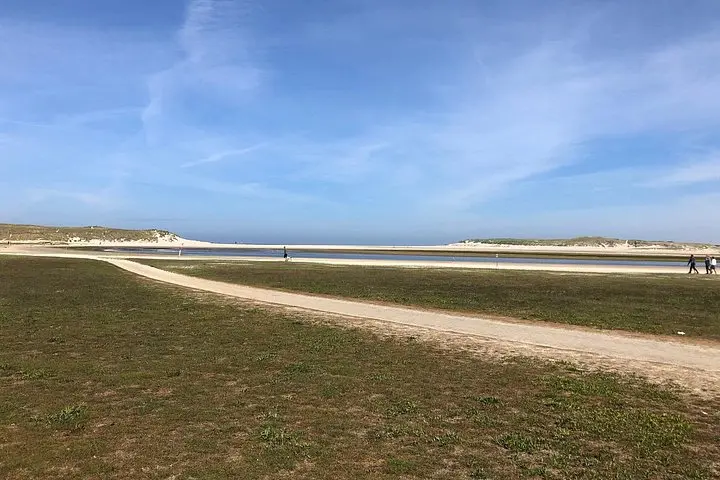
You step off the ferry and the island opens quietly: low dunes to your left, a wide beach to your right, and the Wadden Sea—flat and restless—stretching between them. Salt wind pushes at your jacket, and the gulls wheel like punctuation above villages of brick and narrow lanes. The day moves at the pace of tides here; the landscape changes by the hour.
Verified experiences and guided adventures in the surrounding area.
Operated by Dutch Tours · Den Burg, North Holland
You step off the ferry and the island opens quietly: low dunes to your left, a wide beach to your right, and the Wadden Sea—flat and restless—stretching between them. Salt wind pushes at your jacket, and the gulls wheel like punctuation above villages of brick and narrow lanes. The day moves at the pace of tides here; the landscape changes by the hour.
Texel’s landscape is shaped by glacial deposits and marine sculpting: sandy ridges, freshwater dunes, and the raw tidal flats of the Wadden Sea, a UNESCO World Heritage Site. The island carries a maritime history—fishing, shipbuilding and wartime defenses—while small villages such as Den Burg and Oudeschild retain fishing harbor culture and local cafés serving hearty fare.
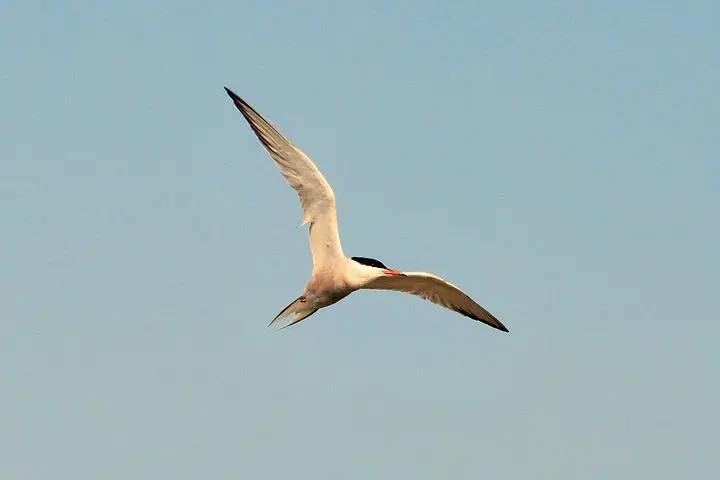
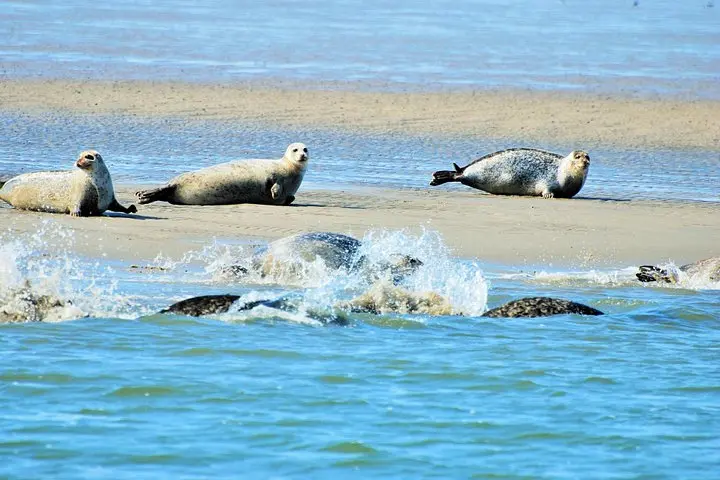
Natural highlights include De Slufter, a salt-marsh cut by the sea, and extensive birdlife during migration. If conditions allow, a short guided mudflat walk reveals the seabed’s living network: crabs, lugworms and shellfish, and the rhythmic pull of the tide that demands respect.
Practical guidance: expect a long day (about nine hours) with periods of walking on mixed terrain—paved village streets, dune paths and, if included, firm mudflat sections guided by an expert. Dress windproof and layered; bring waterproof footwear for the dunes and a spare pair of shoes if you join the mudflat walk. Ferry crossings and local transfers are included, but lunch is not—plan for a café stop in a historic village. Check tide times, arrive on time for pick-up in Amsterdam, and follow guides’ safety briefings on the flats: the tide moves quickly and the shore is best enjoyed with local knowledge.
Guided mudflat walks are family-friendly but depend on tide and weather; children must be supervised at all times and follow the guide’s instructions.
No—there is a scheduled stop in a historic village where you can buy lunch; bring snacks if you have specific dietary needs.
Ferry crossings from the mainland (Den Helder) to Texel take about 20 minutes; transfers and boarding are included in the tour logistics.
General island parts and villages are accessible, and strollers can be accommodated; mudflat walks and dune paths are not wheelchair-friendly.
Dutch Tours operates guided outdoor trips and adventures with an emphasis on safety, stewardship, and memorable experiences.

You step off the ferry and the island opens quietly: low dunes to your left, a wide beach to your right, and the Wadden Sea—flat and restless—stretching between them. Salt wind pushes at your jacket, and the gulls wheel like punctuation above villages of brick and narrow lanes. The day moves at the pace of tides here; the landscape changes by the hour.
You step off the ferry and the island opens quietly: low dunes to your left, a wide beach to your right, and the Wadden Sea—flat and restless—stretching between them. Salt wind pushes at your jacket, and the gulls wheel like punctuation above villages of brick and narrow lanes. The day moves at the pace of tides here; the landscape changes by the hour.
Texel’s landscape is shaped by glacial deposits and marine sculpting: sandy ridges, freshwater dunes, and the raw tidal flats of the Wadden Sea, a UNESCO World Heritage Site. The island carries a maritime history—fishing, shipbuilding and wartime defenses—while small villages such as Den Burg and Oudeschild retain fishing harbor culture and local cafés serving hearty fare.
Natural highlights include De Slufter, a salt-marsh cut by the sea, and extensive birdlife during migration. If conditions allow, a short guided mudflat walk reveals the seabed’s living network: crabs, lugworms and shellfish, and the rhythmic pull of the tide that demands respect.
Practical guidance: expect a long day (about nine hours) with periods of walking on mixed terrain—paved village streets, dune paths and, if included, firm mudflat sections guided by an expert. Dress windproof and layered; bring waterproof footwear for the dunes and a spare pair of shoes if you join the mudflat walk. Ferry crossings and local transfers are included, but lunch is not—plan for a café stop in a historic village. Check tide times, arrive on time for pick-up in Amsterdam, and follow guides’ safety briefings on the flats: the tide moves quickly and the shore is best enjoyed with local knowledge.