THE ADVENTURE COLLECTIVE® · Independent discovery and booking for outdoor travel

Spend a full day tracing India’s textile traditions across Delhi’s markets — from the curated stalls of Dilli Haat to the tight lanes of Chandni Chowk and the designer ateliers of Shahpur Jat. Learn where to spot genuine handwork and how to bargain for keepsakes.
Spend a full day tracing India’s textile traditions across Delhi’s markets — from the curated stalls of Dilli Haat to the tight lanes of Chandni Chowk and the designer ateliers of Shahpur Jat. Learn where to spot genuine handwork and how to bargain for keepsakes.
By mid-morning the van unloads at Dilli Haat and the day opens in a riot of color: woven silks folded like painted flags, hand-embroidered stoles catching light, and vendors who read your pause as an offer to haggle. You move from the open-air stalls of Dilli Haat into the narrow arteries of Chandni Chowk, where Dariba Kalan’s silver shops glint under electric bulbs and Kinari Bazaar hangs sequined borders like small celebrations.
Verified experiences and guided adventures in the surrounding area.
Operated by Agora Voyages Pvt. Ltd. · New Delhi, Delhi
By mid-morning the van unloads at Dilli Haat and the day opens in a riot of color: woven silks folded like painted flags, hand-embroidered stoles catching light, and vendors who read your pause as an offer to haggle. You move from the open-air stalls of Dilli Haat into the narrow arteries of Chandni Chowk, where Dariba Kalan’s silver shops glint under electric bulbs and Kinari Bazaar hangs sequined borders like small celebrations.
These markets sit on layers of history. Chandni Chowk was laid out during the Mughal period along a canal that once connected the city to the Yamuna; its alleys evolved into specialized trades over centuries. Shahpur Jat and Hauz Khas are newer chapters — post-independence neighborhoods repurposed into designer enclaves where young artisans stitch modern cuts into traditional fabrics.
Expect close-quarters walking, varied textures underfoot from paved lanes to cobbled frontages, and frequent noise from traffic and hawkers — the urban landscape shapes the experience as much as the textiles do.
Practical edge: start early to avoid the hottest hours, carry small-denomination cash for bargaining, and set aside time for a relaxed lunch in Hauz Khas Village. A guide can point to quality markers — weave tightness, selvedge finishes, and regional motifs — that separate souvenir buys from lasting pieces. Watch your bag in crowded stalls, accept offers to try-on garments, and leave room in your luggage for purchases. This is a day designed for senses and strategy: see the craft, learn the stories, and bring home fabrics that still smell faintly of the dye yard.
Yes — the itinerary includes private AC pickup and drop-off from hotels within the service area as part of the tour.
Many small vendors are cash-only; larger emporia and boutiques may accept cards — carry cash for bargaining and small purchases.
Yes — the tour is stroller-accessible and infant seats are available, but expect crowded areas where maneuvering can be tight.
Some stops like Dilli Haat and the Cottage Emporium may have nominal entry or display fees; the tour notes which admissions are included depending on options selected.
Agora Voyages Pvt. Ltd. operates guided outdoor trips and adventures with an emphasis on safety, stewardship, and memorable experiences.
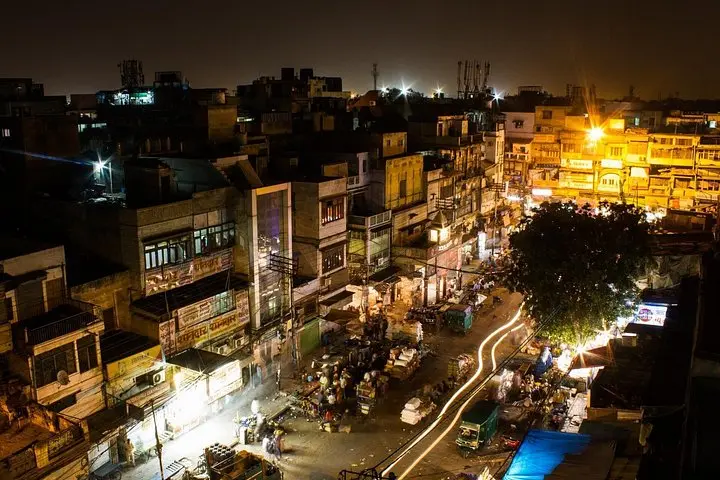

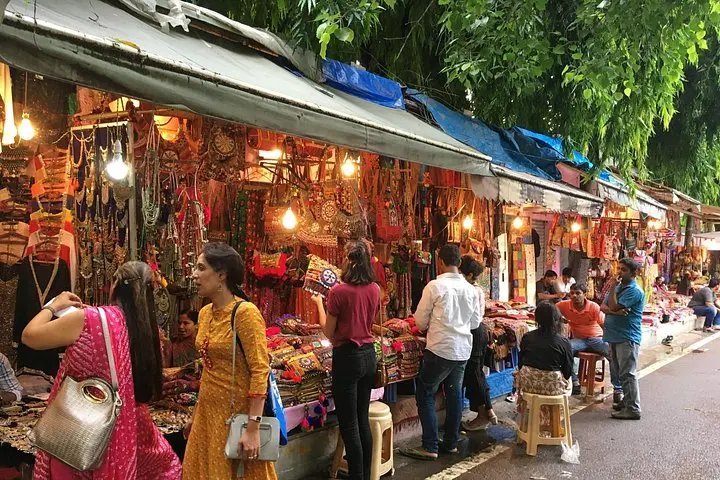
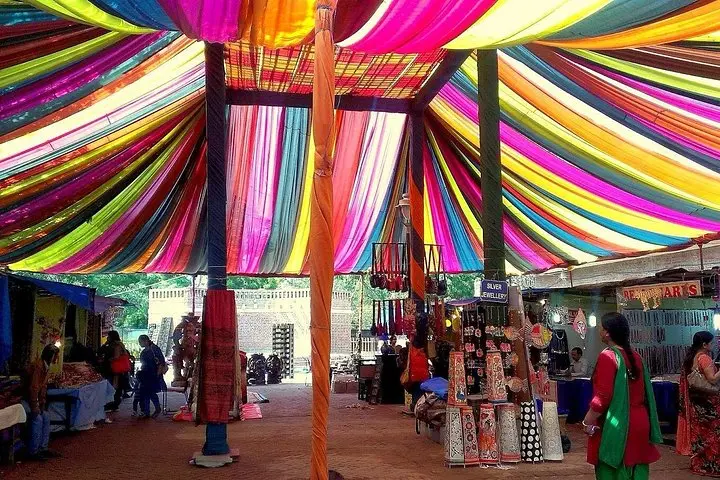
By mid-morning the van unloads at Dilli Haat and the day opens in a riot of color: woven silks folded like painted flags, hand-embroidered stoles catching light, and vendors who read your pause as an offer to haggle. You move from the open-air stalls of Dilli Haat into the narrow arteries of Chandni Chowk, where Dariba Kalan’s silver shops glint under electric bulbs and Kinari Bazaar hangs sequined borders like small celebrations.
By mid-morning the van unloads at Dilli Haat and the day opens in a riot of color: woven silks folded like painted flags, hand-embroidered stoles catching light, and vendors who read your pause as an offer to haggle. You move from the open-air stalls of Dilli Haat into the narrow arteries of Chandni Chowk, where Dariba Kalan’s silver shops glint under electric bulbs and Kinari Bazaar hangs sequined borders like small celebrations.
These markets sit on layers of history. Chandni Chowk was laid out during the Mughal period along a canal that once connected the city to the Yamuna; its alleys evolved into specialized trades over centuries. Shahpur Jat and Hauz Khas are newer chapters — post-independence neighborhoods repurposed into designer enclaves where young artisans stitch modern cuts into traditional fabrics.
Expect close-quarters walking, varied textures underfoot from paved lanes to cobbled frontages, and frequent noise from traffic and hawkers — the urban landscape shapes the experience as much as the textiles do.
Practical edge: start early to avoid the hottest hours, carry small-denomination cash for bargaining, and set aside time for a relaxed lunch in Hauz Khas Village. A guide can point to quality markers — weave tightness, selvedge finishes, and regional motifs — that separate souvenir buys from lasting pieces. Watch your bag in crowded stalls, accept offers to try-on garments, and leave room in your luggage for purchases. This is a day designed for senses and strategy: see the craft, learn the stories, and bring home fabrics that still smell faintly of the dye yard.