THE ADVENTURE COLLECTIVE® · Independent discovery and booking for outdoor travel

Ride camelback into the Thar at dusk, enjoy a Rajasthani dinner with live folk music, and sleep in tented desert accommodation. This private afternoon-to-morning safari from Bikaner combines flora, fauna, and cultural insight with a comfortable overnight camp.
Ride camelback into the Thar at dusk, enjoy a Rajasthani dinner with live folk music, and sleep in tented desert accommodation. This private afternoon-to-morning safari from Bikaner combines flora, fauna, and cultural insight with a comfortable overnight camp.
Late afternoon light thins across rolling sand as your convoy leaves Bikaner and the town's brick silhouette falls behind. Camels rise and dip with a slow, familiar cadence; the desert opens, cool air already hinting at the night ahead. Folk musicians tune simple strings and drums while the guide points out tamarisk and khejri—plants hardened to hold moisture where rains are scarce.
Verified experiences and guided adventures in the surrounding area.
Operated by SITA World Tours · Bikaner, Rajasthan
Late afternoon light thins across rolling sand as your convoy leaves Bikaner and the town's brick silhouette falls behind. Camels rise and dip with a slow, familiar cadence; the desert opens, cool air already hinting at the night ahead. Folk musicians tune simple strings and drums while the guide points out tamarisk and khejri—plants hardened to hold moisture where rains are scarce.
The Thar’s geology is recent sand and alluvial layers shaped by wind and episodic monsoon flows; human history here runs from caravan trade routes to Rajput and local agrarian cultures who adapted by using camels as transport and livestock. Rajasthani folk music—raw, rhythmic, often improvised—keeps stories alive after sunset and frames the meal of local breads and spiced stews.
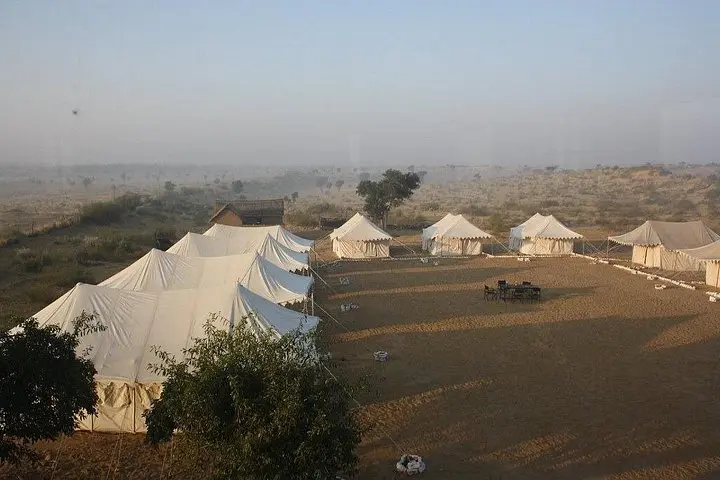
Expect a private pickup from Bikaner, a 20–30 km drive to a village edge, then a 1–2 hour camel trek into the camp area. Tented accommodation provides simple beds and attached washrooms with running water; temperatures drop sharply after dark, so the night requires warm layers. Wildlife sightings are opportunistic: watch for desert fox prints, blackbuck on distant ridgelines, and ground-dwelling lizards. Guides discuss local conservation issues, including habitat pressure on the Great Indian bustard and grazing management.
Practical guidance: pack sun protection and reusable water bottles, arrive with closed-toe shoes suitable for sand, and carry a small flashlight. The experience runs seasonally—operates October through March—and pairs low-impact, cultural exchange with an overnight under clear, starlit skies.
This excursion runs seasonally from October 1 through March 31 and is closed between April 1 and September 30 due to extreme heat.
Children under 15 must be accompanied by an adult; infants should sit on an adult's lap and safety rules set by guides must be followed.
Tents are tented accommodations with basic beds and attached washrooms offering 24-hour water; they are comfortable but not luxury-level facilities.
Yes—private air-conditioned pickup and drop-off within Bikaner city center are included in the tour price.
SITA World Tours operates guided outdoor trips and adventures with an emphasis on safety, stewardship, and memorable experiences.
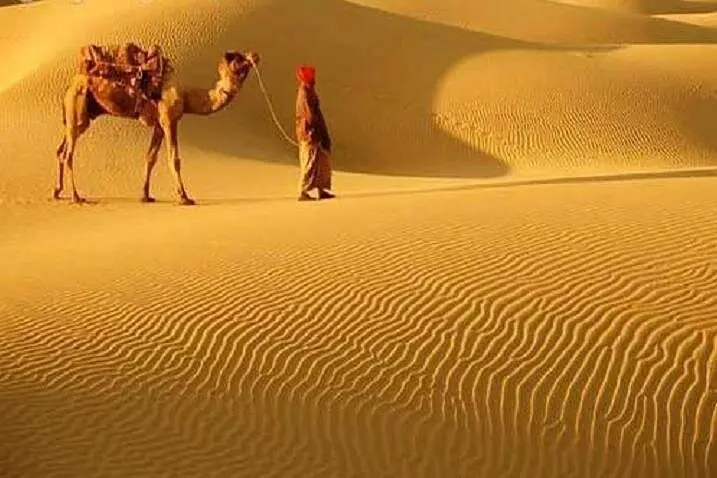
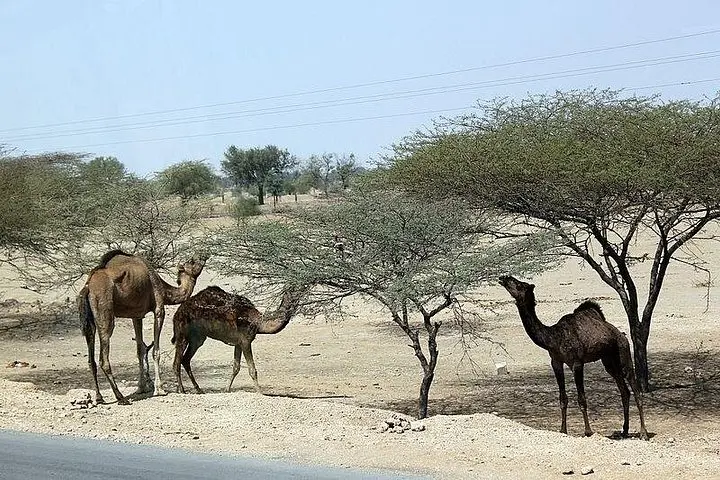
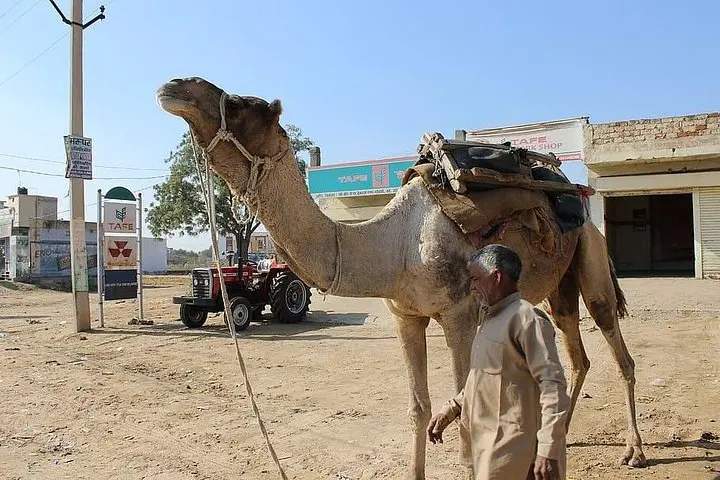
Late afternoon light thins across rolling sand as your convoy leaves Bikaner and the town's brick silhouette falls behind. Camels rise and dip with a slow, familiar cadence; the desert opens, cool air already hinting at the night ahead. Folk musicians tune simple strings and drums while the guide points out tamarisk and khejri—plants hardened to hold moisture where rains are scarce.
Late afternoon light thins across rolling sand as your convoy leaves Bikaner and the town's brick silhouette falls behind. Camels rise and dip with a slow, familiar cadence; the desert opens, cool air already hinting at the night ahead. Folk musicians tune simple strings and drums while the guide points out tamarisk and khejri—plants hardened to hold moisture where rains are scarce.
The Thar’s geology is recent sand and alluvial layers shaped by wind and episodic monsoon flows; human history here runs from caravan trade routes to Rajput and local agrarian cultures who adapted by using camels as transport and livestock. Rajasthani folk music—raw, rhythmic, often improvised—keeps stories alive after sunset and frames the meal of local breads and spiced stews.
Expect a private pickup from Bikaner, a 20–30 km drive to a village edge, then a 1–2 hour camel trek into the camp area. Tented accommodation provides simple beds and attached washrooms with running water; temperatures drop sharply after dark, so the night requires warm layers. Wildlife sightings are opportunistic: watch for desert fox prints, blackbuck on distant ridgelines, and ground-dwelling lizards. Guides discuss local conservation issues, including habitat pressure on the Great Indian bustard and grazing management.
Practical guidance: pack sun protection and reusable water bottles, arrive with closed-toe shoes suitable for sand, and carry a small flashlight. The experience runs seasonally—operates October through March—and pairs low-impact, cultural exchange with an overnight under clear, starlit skies.