THE ADVENTURE COLLECTIVE® · Independent discovery and booking for outdoor travel

Spend a day tracing Thassos’s marble past and coastal life: from the cliff-top Archangel Michael Monastery to the ancient ruins of Aliki and the sweet-lined lanes of Panagia. Practical tips for timing, footwear, and when to swim included.
Spend a day tracing Thassos’s marble past and coastal life: from the cliff-top Archangel Michael Monastery to the ancient ruins of Aliki and the sweet-lined lanes of Panagia. Practical tips for timing, footwear, and when to swim included.
You step off the minibus and the Aegean cuts a clear, cool line along the horizon; pine-scented paths lead inland while waves keep time against rocky coves. The Archangel Michael Monastery perches above the sea, its white walls catching the light and giving you a first sweep of the island’s long view: olive terraces, pale marble cliffs, and villages that stack themselves down to the shore.
Verified experiences and guided adventures in the surrounding area.
Operated by Cretan Holidays · Thassos Town, East Macedonia and Thrace
You step off the minibus and the Aegean cuts a clear, cool line along the horizon; pine-scented paths lead inland while waves keep time against rocky coves. The Archangel Michael Monastery perches above the sea, its white walls catching the light and giving you a first sweep of the island’s long view: olive terraces, pale marble cliffs, and villages that stack themselves down to the shore.
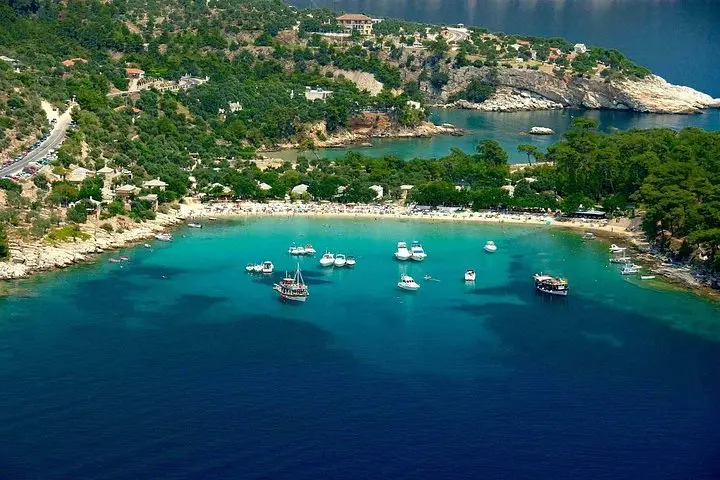
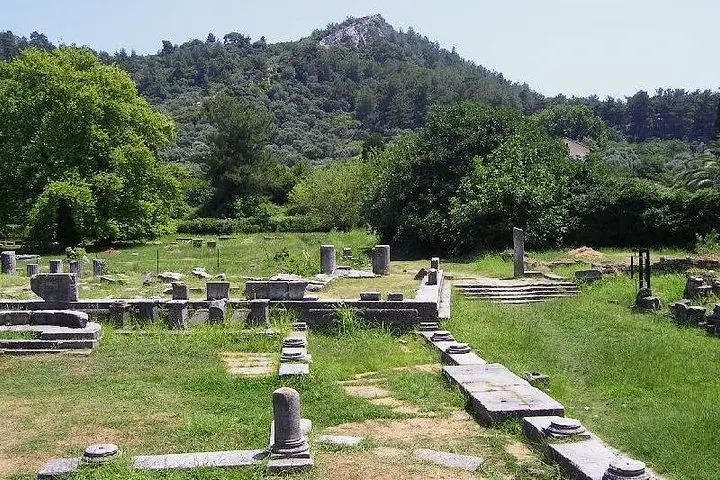
Thassos’ story is visible in stone. Quarries of whiter-than-usual marble fed Classical Greek temples; at Aliki you’ll find the footprint of a temple to Apollo and layered early-Christian basilicas where marble and sea meet. The island’s geology — low, rugged mountains ringed by beaches — shaped settlements and livelihoods. Panagia, the first capital, still carries old-world sweets and narrow streets where craft and flavor are local currencies.
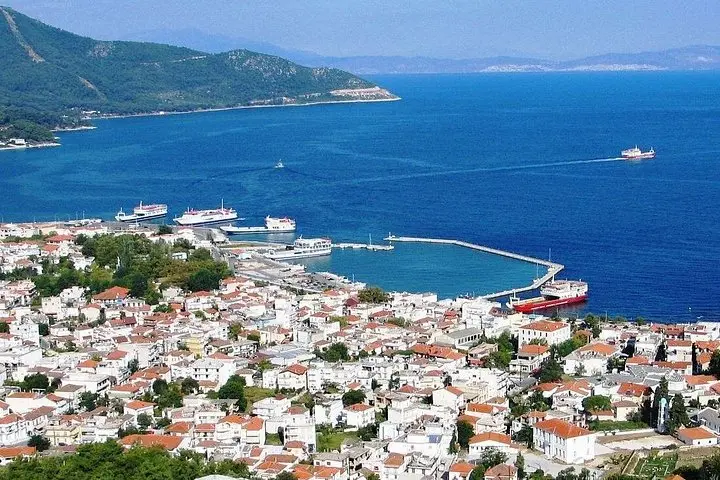
Expect a mix of short walks, coastal viewpoints, and time in village centers for a leisurely lunch. Guides typically point out the island’s marble heritage, Byzantine chapels, and small-scale fishing traditions; the sea often seems to nudge visitors toward a swim if the weather allows.
Practicalities: the full-day tour runs about eight hours with hotel pickup from selected hotels. Wear sturdy walking shoes for uneven archaeological sites and light layers for breezy cliff tops. Bring cash for small local purchases and a refillable water bottle — shade is limited at ruins. If you want to swim, pack a suit and quick-dry towel; if you prefer quieter moments, aim for shoulder seasons when crowds thin and light is best for photography.
Hotel pickup and drop-off are included for selected hotels; confirm your pickup point at booking.
Yes, swimming is possible if the itinerary includes a beach stop and the weather is suitable — bring swimwear and a towel.
The tour is family-friendly; infants can use strollers though some archaeological sites have uneven surfaces that require short walks on foot.
A local meal is typically part of the itinerary but drinks and additional purchases are usually at your own expense.
Cretan Holidays operates guided outdoor trips and adventures with an emphasis on safety, stewardship, and memorable experiences.
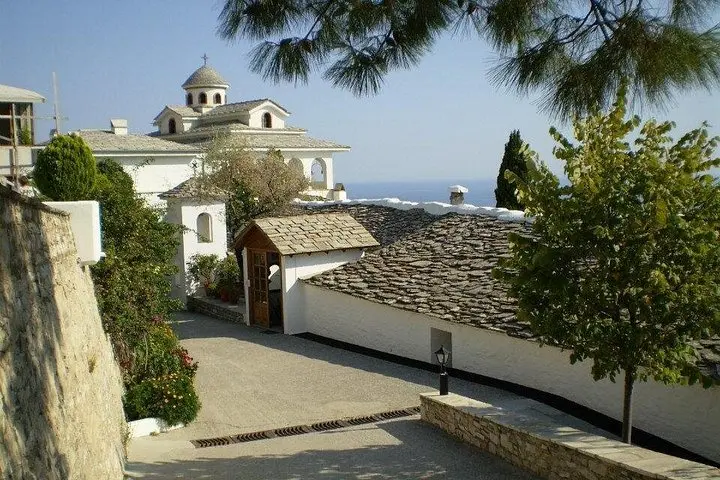
You step off the minibus and the Aegean cuts a clear, cool line along the horizon; pine-scented paths lead inland while waves keep time against rocky coves. The Archangel Michael Monastery perches above the sea, its white walls catching the light and giving you a first sweep of the island’s long view: olive terraces, pale marble cliffs, and villages that stack themselves down to the shore.
You step off the minibus and the Aegean cuts a clear, cool line along the horizon; pine-scented paths lead inland while waves keep time against rocky coves. The Archangel Michael Monastery perches above the sea, its white walls catching the light and giving you a first sweep of the island’s long view: olive terraces, pale marble cliffs, and villages that stack themselves down to the shore.
Thassos’ story is visible in stone. Quarries of whiter-than-usual marble fed Classical Greek temples; at Aliki you’ll find the footprint of a temple to Apollo and layered early-Christian basilicas where marble and sea meet. The island’s geology — low, rugged mountains ringed by beaches — shaped settlements and livelihoods. Panagia, the first capital, still carries old-world sweets and narrow streets where craft and flavor are local currencies.
Expect a mix of short walks, coastal viewpoints, and time in village centers for a leisurely lunch. Guides typically point out the island’s marble heritage, Byzantine chapels, and small-scale fishing traditions; the sea often seems to nudge visitors toward a swim if the weather allows.
Practicalities: the full-day tour runs about eight hours with hotel pickup from selected hotels. Wear sturdy walking shoes for uneven archaeological sites and light layers for breezy cliff tops. Bring cash for small local purchases and a refillable water bottle — shade is limited at ruins. If you want to swim, pack a suit and quick-dry towel; if you prefer quieter moments, aim for shoulder seasons when crowds thin and light is best for photography.