THE ADVENTURE COLLECTIVE® · Independent discovery and booking for outdoor travel

Walk from Paul da Serra down into the Rabaçal Valley along classified PR routes to see lagoons, ponds and a dramatic waterfall at the Wind Lagoon. This roughly 10 km, 4–4.5 hour hike combines volcanic geology, Laurisilva forest and levada heritage with steady, rewarding terrain.
Walk from Paul da Serra down into the Rabaçal Valley along classified PR routes to see lagoons, ponds and a dramatic waterfall at the Wind Lagoon. This roughly 10 km, 4–4.5 hour hike combines volcanic geology, Laurisilva forest and levada heritage with steady, rewarding terrain.
Begin on the flat, wind-sculpted plateau of Paul da Serra where low clouds sweep across heath and the first drops of scent from wet stone and moss hit the air.
Verified experiences and guided adventures in the surrounding area.
Operated by Madeira Free Spirit walks · Funchal, Madeira
Begin on the flat, wind-sculpted plateau of Paul da Serra where low clouds sweep across heath and the first drops of scent from wet stone and moss hit the air.
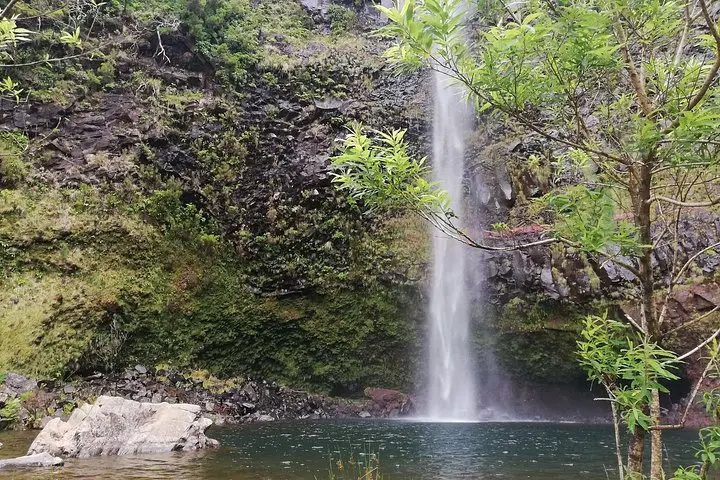
From that high, open ridge the route threads down through carved volcanic terraces and into the cool, green throat of the Rabaçal Valley. You’ll pass small ponds and the Wind Lagoon before reaching a waterfall that announces itself with steady, relentless sound — a place where water seems to have its own opinion about where the trail should go.
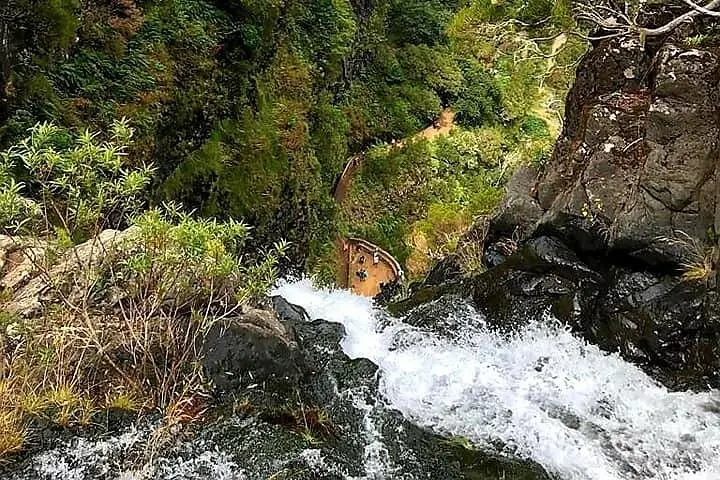
The walk follows classified PR routes and levada-adjacent paths tied to Madeira’s old irrigation network. The geology here is volcanic basalt shaped by erosion; the valley’s steep walls and hanging pools reflect that history. Culturally, these levadas are practical heritage — once essential for farming — now maintained for walkers and conservation.
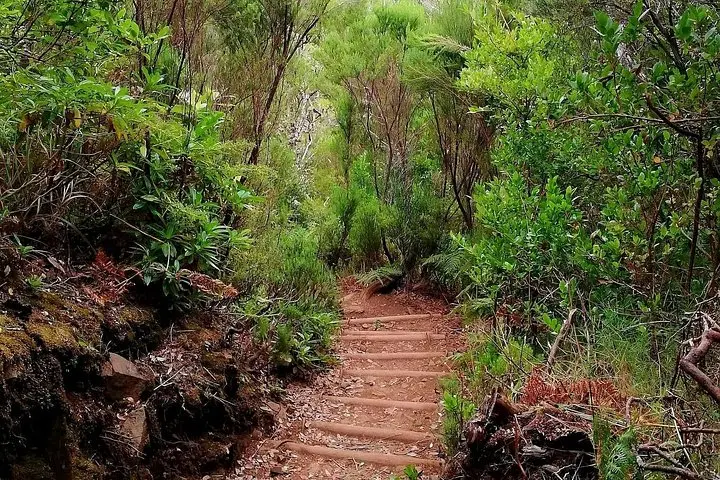
Practical notes: the itinerary is roughly 10 km and takes about 4–4.5 hours one-way, with several hundred meters of net descent and return transport typically provided. Expect narrow stone paths, exposed roots, and slippery sections near streams; basic scrambling is rare but balance and steady footing are required. Bring sturdy waterproof footwear, layered clothing for wind and sudden rain, 2 liters of water, and a light rain shell. Start early to catch clearer views and avoid afternoon fog.
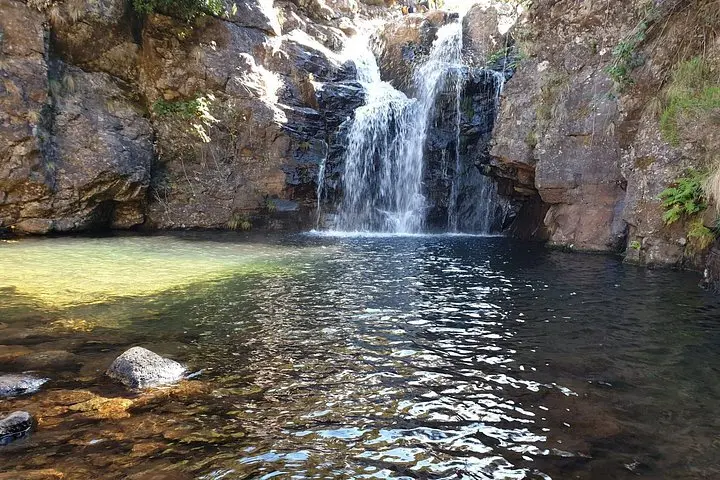
The tour often includes air-conditioned transport and the forest fee for PR routes. The reward is simple: clean waterfalls, tight forest light, and those lagoons that look as if someone arranged them to slow you down and listen.
The route is about 10 km and takes roughly 4–4.5 hours; it’s rated moderate with uneven terrain and some steep sections.
Many operators include air-conditioned transfer from Funchal or nearby pickup points; check your booking details for confirmation.
The trail can be done by active children and older walkers with decent mobility, but it’s not recommended for those with serious back, heart, or pregnancy-related restrictions.
No permit is required beyond the included forest fee for classified PR routes; a guide is optional but helpful for navigation and local info.
Madeira Free Spirit walks operates guided outdoor trips and adventures with an emphasis on safety, stewardship, and memorable experiences.
Begin on the flat, wind-sculpted plateau of Paul da Serra where low clouds sweep across heath and the first drops of scent from wet stone and moss hit the air.
Begin on the flat, wind-sculpted plateau of Paul da Serra where low clouds sweep across heath and the first drops of scent from wet stone and moss hit the air.
From that high, open ridge the route threads down through carved volcanic terraces and into the cool, green throat of the Rabaçal Valley. You’ll pass small ponds and the Wind Lagoon before reaching a waterfall that announces itself with steady, relentless sound — a place where water seems to have its own opinion about where the trail should go.
The walk follows classified PR routes and levada-adjacent paths tied to Madeira’s old irrigation network. The geology here is volcanic basalt shaped by erosion; the valley’s steep walls and hanging pools reflect that history. Culturally, these levadas are practical heritage — once essential for farming — now maintained for walkers and conservation.
Practical notes: the itinerary is roughly 10 km and takes about 4–4.5 hours one-way, with several hundred meters of net descent and return transport typically provided. Expect narrow stone paths, exposed roots, and slippery sections near streams; basic scrambling is rare but balance and steady footing are required. Bring sturdy waterproof footwear, layered clothing for wind and sudden rain, 2 liters of water, and a light rain shell. Start early to catch clearer views and avoid afternoon fog.
The tour often includes air-conditioned transport and the forest fee for PR routes. The reward is simple: clean waterfalls, tight forest light, and those lagoons that look as if someone arranged them to slow you down and listen.