THE ADVENTURE COLLECTIVE® · Independent discovery and booking for outdoor travel

Cross the Yangon River by local ferry to Dala and trade skyscrapers for quiet lanes, tea shops, a monastic school and an eco-conscious workshop. This 4–5 hour excursion offers close-up views of rural Burmese life via trishaw and market strolls.
Cross the Yangon River by local ferry to Dala and trade skyscrapers for quiet lanes, tea shops, a monastic school and an eco-conscious workshop. This 4–5 hour excursion offers close-up views of rural Burmese life via trishaw and market strolls.
The ferry jogs against the current and the skyline of Yangon slips behind like a painting being rolled up. On the crossing the river feels purposeful, pushing commuters and a handful of travelers toward an island where traffic thins and street noise gives way to birds and the rattle of bicycle spokes.
Verified experiences and guided adventures in the surrounding area.
Operated by Asian Tour Myanmar · Yangon, Yangon Region
The ferry jogs against the current and the skyline of Yangon slips behind like a painting being rolled up. On the crossing the river feels purposeful, pushing commuters and a handful of travelers toward an island where traffic thins and street noise gives way to birds and the rattle of bicycle spokes.
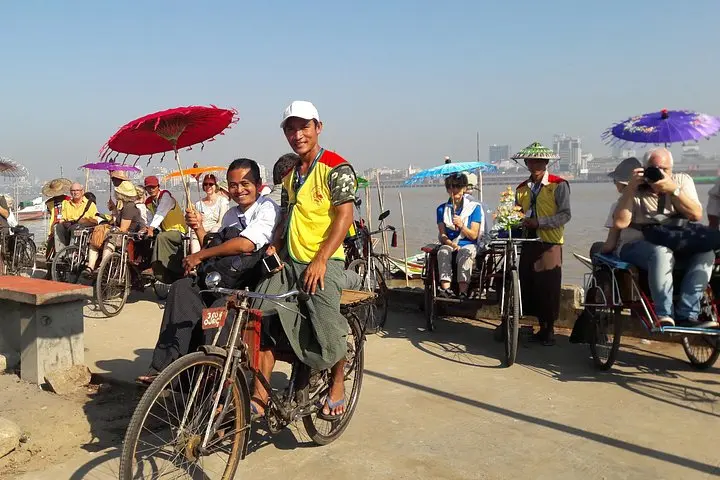
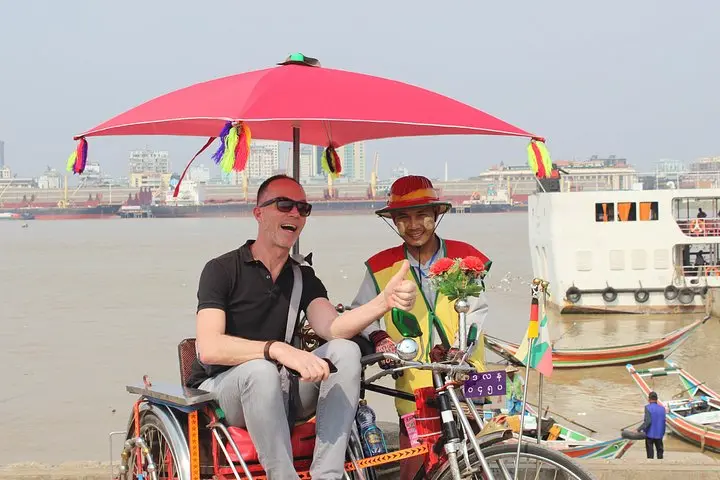
Dala’s lanes are simple: sandy shoulders, low houses, and banyan trees shading trishaw drivers as they navigate village life. The tour moves from riverfront to market to monastic school—each stop a primer in the region’s social rhythms. The monastic school reflects long-standing Burmese traditions of religiously-affiliated education, while Chu Chu Workshop reveals a modern grassroots response to waste, transforming plastic into saleable goods and offering a sharp contrast to Yangon’s urban consumption.
Geologically the area is flat river plain, shaped by seasonal tides and sediment, which makes the ferry crossing short but always keyed to river conditions. Culturally, Dala remains largely agrarian and community-focused; conversations in tea shops are as much about the morning’s catch or harvest as they are about national events.
Practical guidance: bring cash (small kyat notes) for tea shops and donations, wear closed shoes for uneven village paths, and prepare for powerful mid-day sun; a lightweight long sleeve and hat help. Expect about 4–5 hours including ferry time; minimal fitness required but good mobility helps for stepping on and off small boats and trishaws. Travel with curiosity and respect—small gestures at the school and workshops go a long way toward meaningful exchange.
The crossing across the Yangon River from Nan Thida to Dala typically takes 10–20 minutes each way, but boarding and disembarking add time.
Yes—this excursion is rated easy; however, boat boarding and trishaw rides require basic mobility and supervision for very young children.
Yes, the itinerary includes a visit to a local monastic school; respectful behavior and modest clothing are requested, and small donations are welcome but optional.
A tea and local snack at a tea shop are included, but bring extra cash for market purchases or additional food and drinks.
Asian Tour Myanmar operates guided outdoor trips and adventures with an emphasis on safety, stewardship, and memorable experiences.
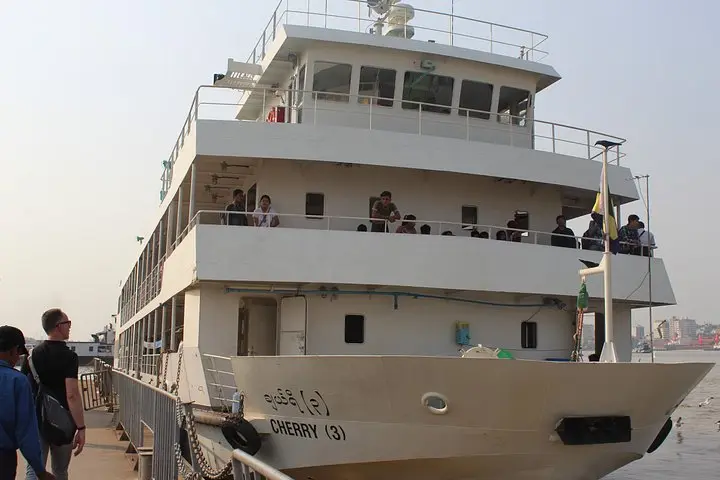
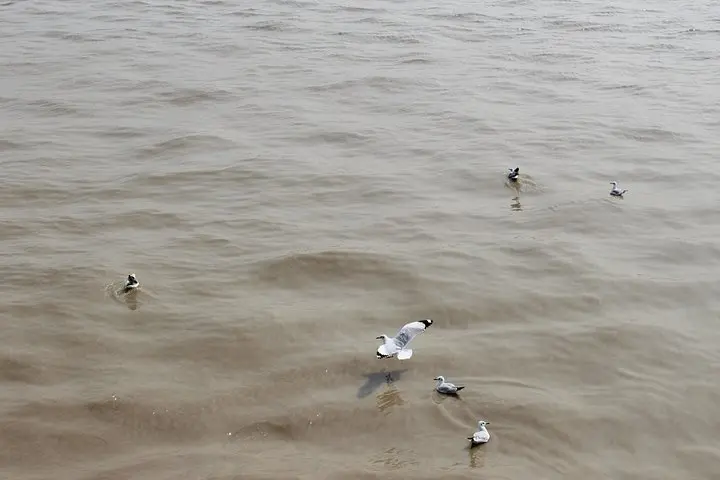
The ferry jogs against the current and the skyline of Yangon slips behind like a painting being rolled up. On the crossing the river feels purposeful, pushing commuters and a handful of travelers toward an island where traffic thins and street noise gives way to birds and the rattle of bicycle spokes.
The ferry jogs against the current and the skyline of Yangon slips behind like a painting being rolled up. On the crossing the river feels purposeful, pushing commuters and a handful of travelers toward an island where traffic thins and street noise gives way to birds and the rattle of bicycle spokes.
Dala’s lanes are simple: sandy shoulders, low houses, and banyan trees shading trishaw drivers as they navigate village life. The tour moves from riverfront to market to monastic school—each stop a primer in the region’s social rhythms. The monastic school reflects long-standing Burmese traditions of religiously-affiliated education, while Chu Chu Workshop reveals a modern grassroots response to waste, transforming plastic into saleable goods and offering a sharp contrast to Yangon’s urban consumption.
Geologically the area is flat river plain, shaped by seasonal tides and sediment, which makes the ferry crossing short but always keyed to river conditions. Culturally, Dala remains largely agrarian and community-focused; conversations in tea shops are as much about the morning’s catch or harvest as they are about national events.
Practical guidance: bring cash (small kyat notes) for tea shops and donations, wear closed shoes for uneven village paths, and prepare for powerful mid-day sun; a lightweight long sleeve and hat help. Expect about 4–5 hours including ferry time; minimal fitness required but good mobility helps for stepping on and off small boats and trishaws. Travel with curiosity and respect—small gestures at the school and workshops go a long way toward meaningful exchange.