THE ADVENTURE COLLECTIVE® · Independent discovery and booking for outdoor travel

Walk the streets where Reverend W.A.R. Goodwin enlisted John D. Rockefeller Jr.’s funding to reconstruct Colonial Williamsburg. This one-hour tour explains which buildings are original, which were rebuilt, and why the restoration still matters.
Walk the streets where Reverend W.A.R. Goodwin enlisted John D. Rockefeller Jr.’s funding to reconstruct Colonial Williamsburg. This one-hour tour explains which buildings are original, which were rebuilt, and why the restoration still matters.
A narrow street opens to morning light on Palace Green; the guide waits by a sandwich board in front of the church, voice low but steady as they set the scene.
Verified experiences and guided adventures in the surrounding area.
Operated by Shades of Our Past · Williamsburg, Virginia
A narrow street opens to morning light on Palace Green; the guide waits by a sandwich board in front of the church, voice low but steady as they set the scene.
This one-hour walking tour traces the unlikely pairing of Reverend W.A.R. Goodwin and financier John D. Rockefeller Jr., the two figures who redirected a quiet Virginia town into a focused project of historic restoration in the 1920s and 1930s. Guides move along brick streets and manicured greens, pointing out original foundations versus reconstructed façades, and explain the archaeological and documentary methods used to place buildings back into the town’s plan.
Williamsburg sits on the Atlantic Coastal Plain—flat terrain, red clay soils and brickwork underfoot—so the walk is physically gentle but dense with historic detail. Expect conversations about early American civic life, Colonial-era building techniques, and the evolving philosophy of preservation that shaped not only structures but living-history interpretation.
Practical notes: the tour follows public streets and does not include entry into Colonial Williamsburg buildings; weather can change plans and the sandwich board marks the meeting point. The pace is accessible; guests are encouraged to ask questions. Bring water, a rain layer and a camera with spare battery because viewpoints across Palace Green and the Governor’s Palace exteriors offer clear photographic moments.
For visitors who want context after the hour, nearby trades demonstrations, the Governor’s Palace grounds, and local museums expand on the themes heard on the walk, making this tour a compact, focused primer on how preservation and patronage reshaped an American town.
No. This walking tour follows public streets and does not include admission to Colonial Williamsburg-owned buildings.
The guided walk is 60 minutes and begins at a sandwich board placed in front of the church on the meeting street; arrive 5–10 minutes early.
Yes. The route is on paved, accessible streets and is listed as wheelchair and stroller friendly; check availability on days with special events.
No. Shades of Our Past operates this private tour independently; the guide focuses on restoration history and visible sites in public spaces.
Shades of Our Past operates guided outdoor trips and adventures with an emphasis on safety, stewardship, and memorable experiences.
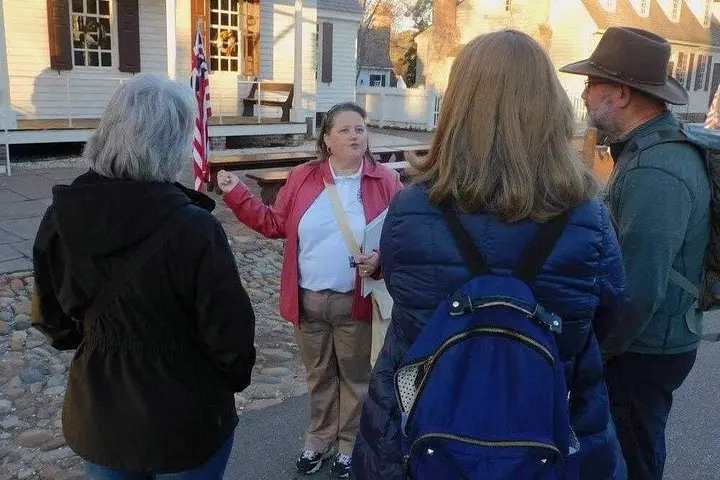
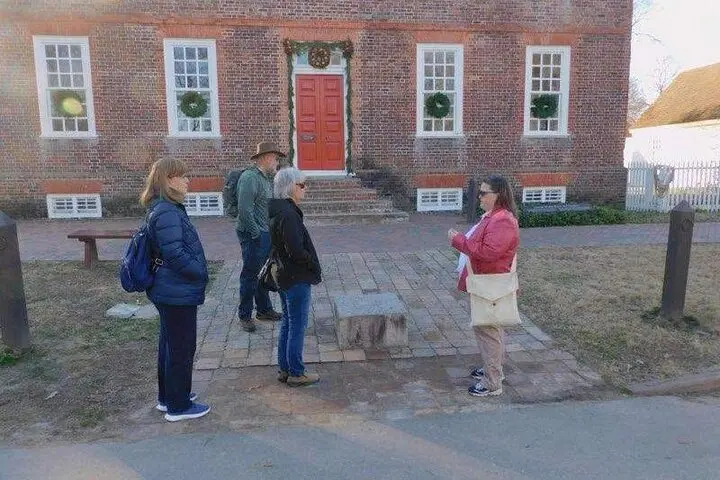
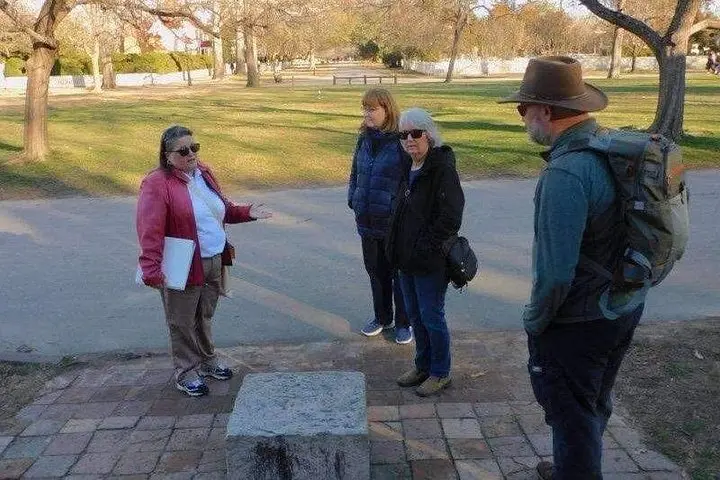
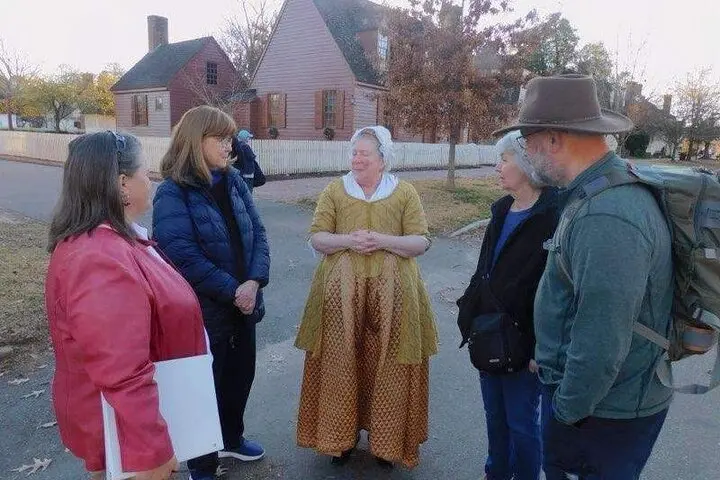
A narrow street opens to morning light on Palace Green; the guide waits by a sandwich board in front of the church, voice low but steady as they set the scene.
A narrow street opens to morning light on Palace Green; the guide waits by a sandwich board in front of the church, voice low but steady as they set the scene.
This one-hour walking tour traces the unlikely pairing of Reverend W.A.R. Goodwin and financier John D. Rockefeller Jr., the two figures who redirected a quiet Virginia town into a focused project of historic restoration in the 1920s and 1930s. Guides move along brick streets and manicured greens, pointing out original foundations versus reconstructed façades, and explain the archaeological and documentary methods used to place buildings back into the town’s plan.
Williamsburg sits on the Atlantic Coastal Plain—flat terrain, red clay soils and brickwork underfoot—so the walk is physically gentle but dense with historic detail. Expect conversations about early American civic life, Colonial-era building techniques, and the evolving philosophy of preservation that shaped not only structures but living-history interpretation.
Practical notes: the tour follows public streets and does not include entry into Colonial Williamsburg buildings; weather can change plans and the sandwich board marks the meeting point. The pace is accessible; guests are encouraged to ask questions. Bring water, a rain layer and a camera with spare battery because viewpoints across Palace Green and the Governor’s Palace exteriors offer clear photographic moments.
For visitors who want context after the hour, nearby trades demonstrations, the Governor’s Palace grounds, and local museums expand on the themes heard on the walk, making this tour a compact, focused primer on how preservation and patronage reshaped an American town.