THE ADVENTURE COLLECTIVE® · Independent discovery and booking for outdoor travel

Follow a 3 km self-guided mystery route through Barcelona’s Eixample using vintage clues, locked boxes and local history. This two-hour, low-tech urban adventure reveals Cerdà’s grid and hidden modernist details while keeping the focus on observation and story.
Follow a 3 km self-guided mystery route through Barcelona’s Eixample using vintage clues, locked boxes and local history. This two-hour, low-tech urban adventure reveals Cerdà’s grid and hidden modernist details while keeping the focus on observation and story.
You step off Passeig de Gràcia into a grid of wide avenues and instant details — chamfered corners, wrought-iron balconies and tiles that hide small stories. The game hands you an old-looking bag, sealed boxes and a paper map; the city becomes a set piece and the Eixample’s blocks whisper clues as you trace a 3 km circuit.
Verified experiences and guided adventures in the surrounding area.
Operated by Mystery City Games · Barcelona, Catalonia
You step off Passeig de Gràcia into a grid of wide avenues and instant details — chamfered corners, wrought-iron balconies and tiles that hide small stories. The game hands you an old-looking bag, sealed boxes and a paper map; the city becomes a set piece and the Eixample’s blocks whisper clues as you trace a 3 km circuit.
This route follows the bones of Ildefons Cerdà’s 19th-century plan: a rational grid sliced into octagonal blocks to relieve urban congestion as Barcelona expanded. The geology is plain and coastal — flat streets that run toward the sea and the distant silhouette of Montjuïc — which makes walking easy but exposes you to sun and crowds. Modernisme façades, courtyards with protected murals and tucked-away passages reveal the cultural push-and-pull between bourgeois expansion and Catalan identity.
The experience blends historical anecdotes with puzzle-solving: look for masonry marks, catalogue numbers and hidden plaques that reference real people and decisions from the 1800s onward. The game is low-tech — no app required — and available in English, Spanish, Catalan and French, making it practical for families, couples or small teams.
Practical guidance: the loop is about 3 km and typically takes two hours; expect flat pavement, frequent stops and light walking. Wear comfortable shoes, bring water and a sun layer in summer, and start in the morning or late afternoon to avoid peak heat and tourist congestion. Public transport links are abundant — begin near Passeig de Gràcia or Plaça de Catalunya. Keep an eye on belongings in busy plazas, and treat private courtyards respectfully; this is a walking game that rewards observation more than speed.
No app is required; the experience uses a supplied bag with printed materials, locked boxes and a phone only for optional hints.
The course covers about 3 km and is easy walking on paved streets, typically completed in roughly two hours.
Yes — the activity is stroller-accessible and suitable for children, though some puzzles may appeal more to older kids.
Full refunds are available if you cancel at least 24 hours before the scheduled start time.
Mystery City Games operates guided outdoor trips and adventures with an emphasis on safety, stewardship, and memorable experiences.
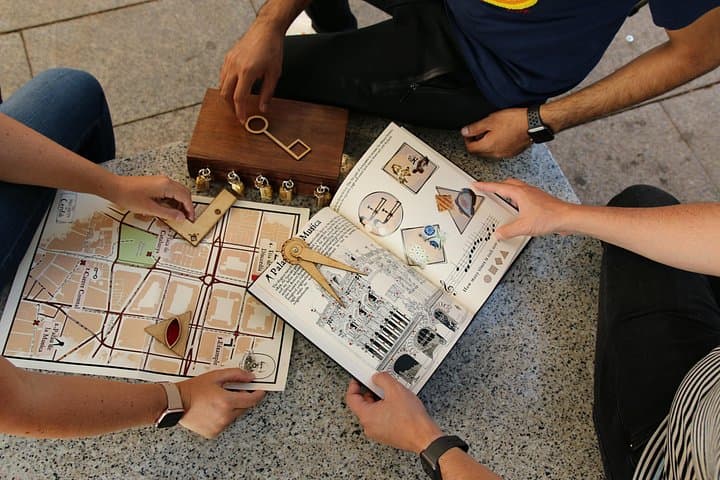
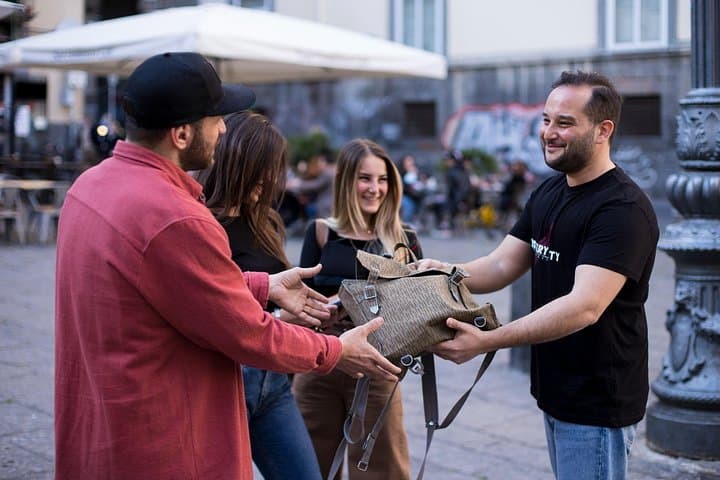
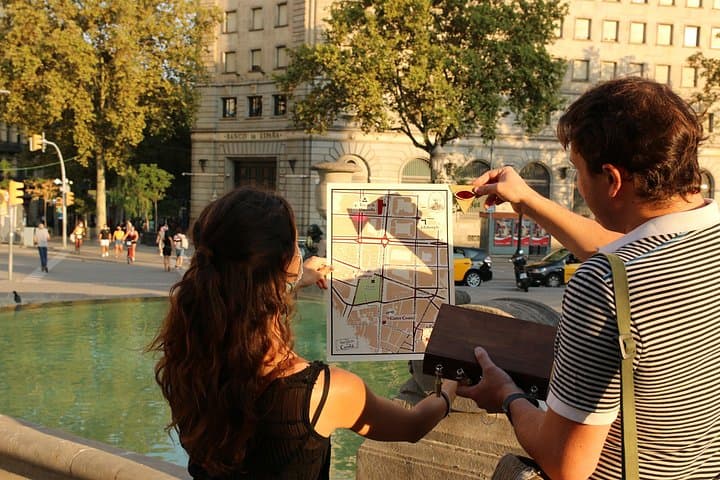
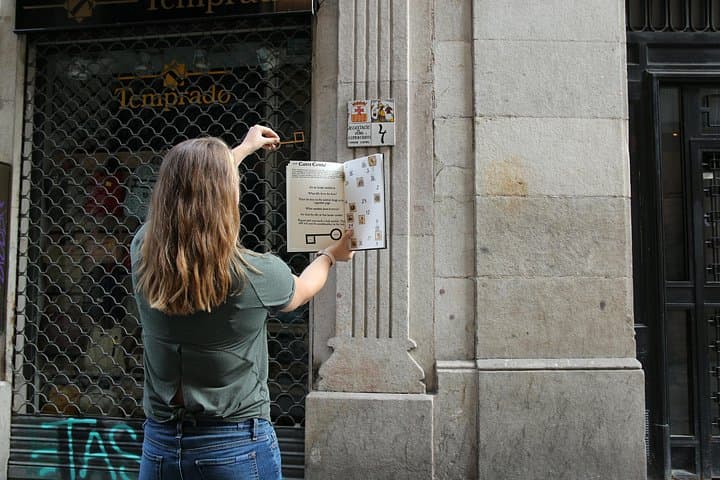
You step off Passeig de Gràcia into a grid of wide avenues and instant details — chamfered corners, wrought-iron balconies and tiles that hide small stories. The game hands you an old-looking bag, sealed boxes and a paper map; the city becomes a set piece and the Eixample’s blocks whisper clues as you trace a 3 km circuit.
You step off Passeig de Gràcia into a grid of wide avenues and instant details — chamfered corners, wrought-iron balconies and tiles that hide small stories. The game hands you an old-looking bag, sealed boxes and a paper map; the city becomes a set piece and the Eixample’s blocks whisper clues as you trace a 3 km circuit.
This route follows the bones of Ildefons Cerdà’s 19th-century plan: a rational grid sliced into octagonal blocks to relieve urban congestion as Barcelona expanded. The geology is plain and coastal — flat streets that run toward the sea and the distant silhouette of Montjuïc — which makes walking easy but exposes you to sun and crowds. Modernisme façades, courtyards with protected murals and tucked-away passages reveal the cultural push-and-pull between bourgeois expansion and Catalan identity.
The experience blends historical anecdotes with puzzle-solving: look for masonry marks, catalogue numbers and hidden plaques that reference real people and decisions from the 1800s onward. The game is low-tech — no app required — and available in English, Spanish, Catalan and French, making it practical for families, couples or small teams.
Practical guidance: the loop is about 3 km and typically takes two hours; expect flat pavement, frequent stops and light walking. Wear comfortable shoes, bring water and a sun layer in summer, and start in the morning or late afternoon to avoid peak heat and tourist congestion. Public transport links are abundant — begin near Passeig de Gràcia or Plaça de Catalunya. Keep an eye on belongings in busy plazas, and treat private courtyards respectfully; this is a walking game that rewards observation more than speed.