THE ADVENTURE COLLECTIVE® · Independent discovery and booking for outdoor travel

Make a one-day jump from Skopje to Thessaloniki to stand at the White Tower, walk Roman forums and taste seaside taverno cooking. This full-day, private tour combines coastal views, UNESCO-listed Byzantine sites, and markets in a carefully timed itinerary.
Make a one-day jump from Skopje to Thessaloniki to stand at the White Tower, walk Roman forums and taste seaside taverno cooking. This full-day, private tour combines coastal views, UNESCO-listed Byzantine sites, and markets in a carefully timed itinerary.
You leave Skopje before dawn, the bus threading through low hills while the Macedonian countryside slips past in long, pale ribbons. By late morning the salt air of the Thermaic Gulf announces Thessaloniki: a broad waterfront, the squat White Tower rising like a marker on the quay, and a city whose streets carry layers of Roman, Byzantine and Ottoman history.
Verified experiences and guided adventures in the surrounding area.
Operated by Balkan Explore · Thessaloniki, Central Macedonia
You leave Skopje before dawn, the bus threading through low hills while the Macedonian countryside slips past in long, pale ribbons. By late morning the salt air of the Thermaic Gulf announces Thessaloniki: a broad waterfront, the squat White Tower rising like a marker on the quay, and a city whose streets carry layers of Roman, Byzantine and Ottoman history.
Architectural anchors — the Arch of Galerius and the nearby Rotunda — date to the early 4th century and speak to the city’s role as a Roman administrative hub. Byzantine mosaics and one of Europe’s oldest churches map Thessaloniki’s Christian past; Ottoman-era markets and the restored squares of the 20th century show later cultural shifts. Geology is quiet but decisive here: a shallow coastal plain where silt and sea shaped a bustling port, and where north winds can sharpen the light.
Expect lively markets (Kapani), tavernas in Ladadika, and a short coastal cruise option that reorients the city from sea level. The tour blends guided stops with free time: museum-entry is usually separate; bring ID for the border crossing. Wear comfortable walking shoes—cobbles and uneven pavements are common—and layer for a cool sea breeze even on warm days.
Practical rhythm: roughly three hours each way on the road, with blocks of time in the waterfront, central squares, and historic quarter for walking and photos. Pack water, a small daypack, euro coins for market purchases, and photocopies of travel documents. The pace is steady, the rewards immediate: a compact immersion in northern Greece’s layered past and seaside present.
Yes — the tour crosses from North Macedonia into Greece; all travelers must carry a valid passport and any required visas.
No — food and drink beyond bottled water are generally not included; the itinerary allows time to eat at tavernas or markets.
Expect about three hours each way between Skopje and Thessaloniki, depending on border traffic and road conditions.
Yes — infant seats are available and the tour is rated easy, but plan for the long transfer and bring snacks and entertainment for young children.
Balkan Explore operates guided outdoor trips and adventures with an emphasis on safety, stewardship, and memorable experiences.
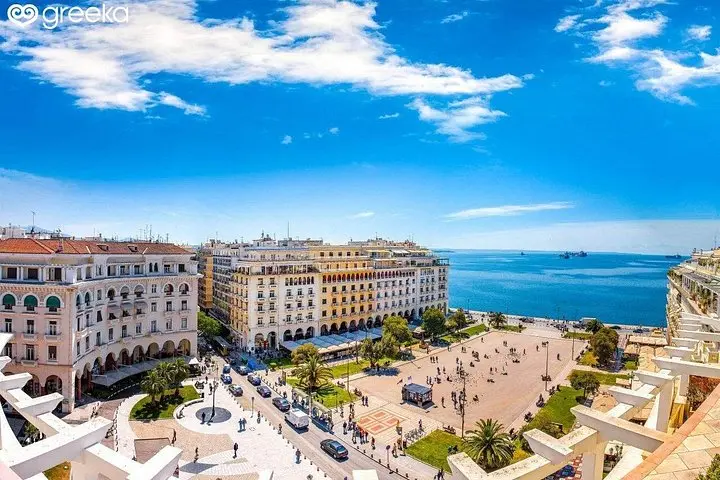
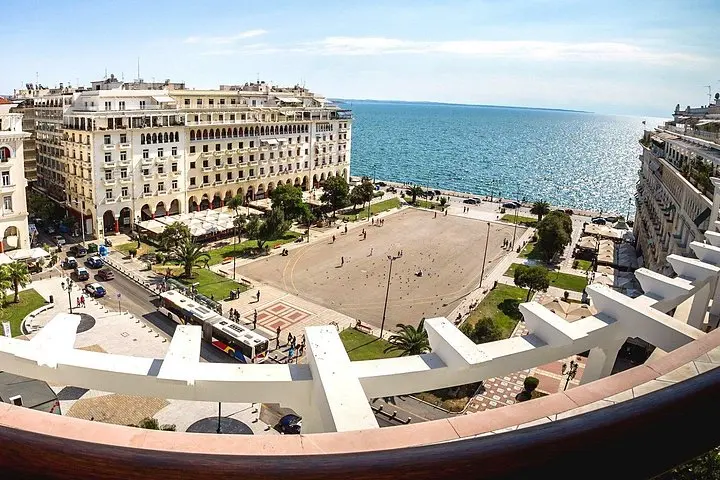
You leave Skopje before dawn, the bus threading through low hills while the Macedonian countryside slips past in long, pale ribbons. By late morning the salt air of the Thermaic Gulf announces Thessaloniki: a broad waterfront, the squat White Tower rising like a marker on the quay, and a city whose streets carry layers of Roman, Byzantine and Ottoman history.
You leave Skopje before dawn, the bus threading through low hills while the Macedonian countryside slips past in long, pale ribbons. By late morning the salt air of the Thermaic Gulf announces Thessaloniki: a broad waterfront, the squat White Tower rising like a marker on the quay, and a city whose streets carry layers of Roman, Byzantine and Ottoman history.
Architectural anchors — the Arch of Galerius and the nearby Rotunda — date to the early 4th century and speak to the city’s role as a Roman administrative hub. Byzantine mosaics and one of Europe’s oldest churches map Thessaloniki’s Christian past; Ottoman-era markets and the restored squares of the 20th century show later cultural shifts. Geology is quiet but decisive here: a shallow coastal plain where silt and sea shaped a bustling port, and where north winds can sharpen the light.
Expect lively markets (Kapani), tavernas in Ladadika, and a short coastal cruise option that reorients the city from sea level. The tour blends guided stops with free time: museum-entry is usually separate; bring ID for the border crossing. Wear comfortable walking shoes—cobbles and uneven pavements are common—and layer for a cool sea breeze even on warm days.
Practical rhythm: roughly three hours each way on the road, with blocks of time in the waterfront, central squares, and historic quarter for walking and photos. Pack water, a small daypack, euro coins for market purchases, and photocopies of travel documents. The pace is steady, the rewards immediate: a compact immersion in northern Greece’s layered past and seaside present.