THE ADVENTURE COLLECTIVE® · Independent discovery and booking for outdoor travel

Ride from Thessaloniki through the foothills of Mount Olympus to the surreal rock pinnacles of Meteora. Visit three monasteries, view all six from dramatic overlooks, and learn local history on a full-day rail adventure.
Ride from Thessaloniki through the foothills of Mount Olympus to the surreal rock pinnacles of Meteora. Visit three monasteries, view all six from dramatic overlooks, and learn local history on a full-day rail adventure.
The morning train eases out of Thessaloniki and the plain unfurls: orchards, low hills and the shadow of Mount Olympus sliding along the carriage windows. You pass the historic plain of Palaeofarsalos—Achilleus’s homeland—before the country tightens and the rock pillars of Meteora appear, vertical and uncompromising, daring you to look up.
Verified experiences and guided adventures in the surrounding area.
Operated by Meteora Rocks · Kalambaka, Thessaly
The morning train eases out of Thessaloniki and the plain unfurls: orchards, low hills and the shadow of Mount Olympus sliding along the carriage windows. You pass the historic plain of Palaeofarsalos—Achilleus’s homeland—before the country tightens and the rock pillars of Meteora appear, vertical and uncompromising, daring you to look up.
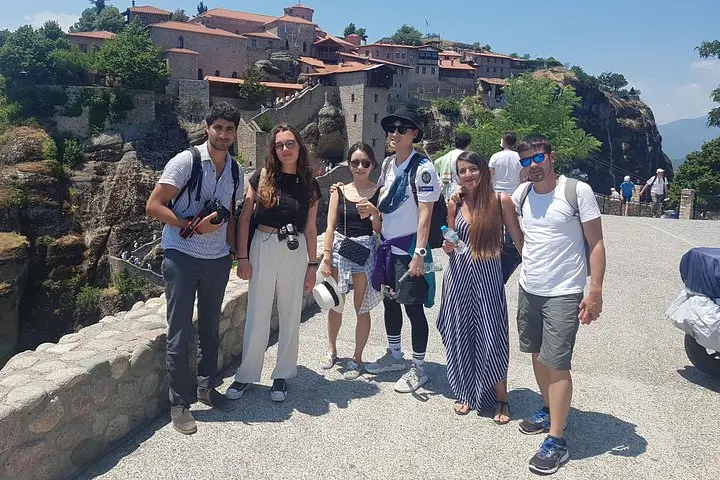
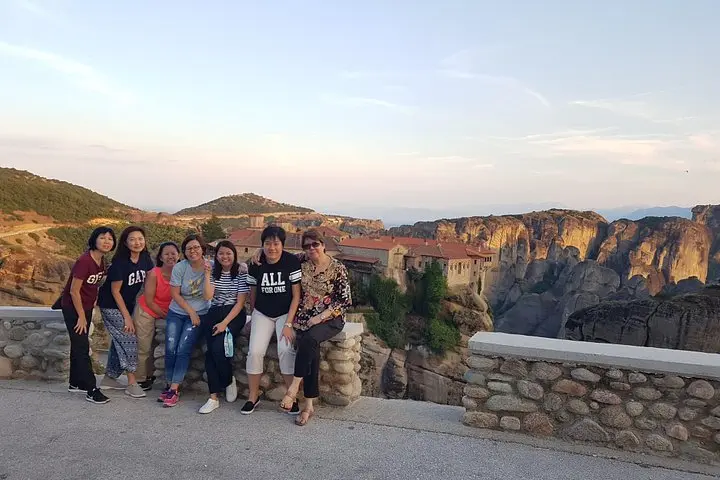
Those towering sandstone columns are the product of millennia of river and wind working at fractured deposits; their isolated summits became refuge for hermit monks in the 14th century. The monasteries clinging to their crowns combine Byzantine frescoes with austere monastic life and are listed by UNESCO for their cultural and architectural significance. Kastraki, a stone village at the rocks’ feet, still keeps old customs such as the St. George Mandilas festival.
Practicalities shape the day: you start at Thessaloniki’s central station, change at Paleofarsalos, and arrive in Kalambaka where a local guide meets you. The program shows all six monastery complexes from vantage points and includes interior visits to three—expect steep steps, uneven flagstones and modest dress codes; some sites charge small entrance fees payable on-site. The route is long but accessible for average fitness; bring layers for cool winds above the rocks, cash for admissions and snacks, and a camera with plenty of battery. Plan for a 12–14 hour day, leave room in your schedule for the train-change wait, and arrive early to secure a good seat for the approach to Meteora—the views are the highlight, and the landscape keeps its own slow, stubborn rhythm.
Yes—the itinerary requires you to board the public train from Thessaloniki; check national rail schedules and tickets in advance as the trip depends on those connections.
Most sites charge a small admission or ask for donations that are typically paid on-site in cash; bring euros to cover fees for the three interior visits.
Children can enjoy the views but the steep steps and uneven terrain at monasteries make full access difficult for guests with limited mobility—plan accordingly.
There is usually an approximately one-hour transfer where you change trains; use the time to buy refreshments and prepare for the scenic stretch toward Kalambaka.
Meteora Rocks operates guided outdoor trips and adventures with an emphasis on safety, stewardship, and memorable experiences.
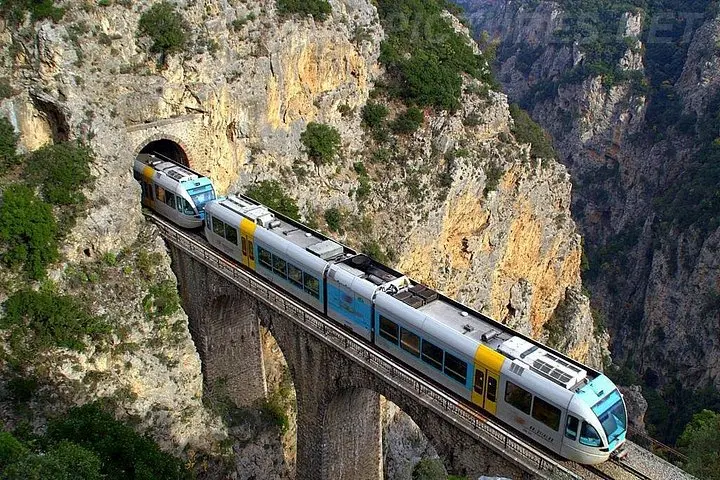
The morning train eases out of Thessaloniki and the plain unfurls: orchards, low hills and the shadow of Mount Olympus sliding along the carriage windows. You pass the historic plain of Palaeofarsalos—Achilleus’s homeland—before the country tightens and the rock pillars of Meteora appear, vertical and uncompromising, daring you to look up.
The morning train eases out of Thessaloniki and the plain unfurls: orchards, low hills and the shadow of Mount Olympus sliding along the carriage windows. You pass the historic plain of Palaeofarsalos—Achilleus’s homeland—before the country tightens and the rock pillars of Meteora appear, vertical and uncompromising, daring you to look up.
Those towering sandstone columns are the product of millennia of river and wind working at fractured deposits; their isolated summits became refuge for hermit monks in the 14th century. The monasteries clinging to their crowns combine Byzantine frescoes with austere monastic life and are listed by UNESCO for their cultural and architectural significance. Kastraki, a stone village at the rocks’ feet, still keeps old customs such as the St. George Mandilas festival.
Practicalities shape the day: you start at Thessaloniki’s central station, change at Paleofarsalos, and arrive in Kalambaka where a local guide meets you. The program shows all six monastery complexes from vantage points and includes interior visits to three—expect steep steps, uneven flagstones and modest dress codes; some sites charge small entrance fees payable on-site. The route is long but accessible for average fitness; bring layers for cool winds above the rocks, cash for admissions and snacks, and a camera with plenty of battery. Plan for a 12–14 hour day, leave room in your schedule for the train-change wait, and arrive early to secure a good seat for the approach to Meteora—the views are the highlight, and the landscape keeps its own slow, stubborn rhythm.