THE ADVENTURE COLLECTIVE® · Independent discovery and booking for outdoor travel
Take the train from Thessaloniki and spend a day among Meteora’s towering sandstone pillars and clifftop monasteries. This small‑group, VIP mini‑bus tour gives panoramic stops and interior visits to three monasteries—ideal for a single‑day cultural and geological immersion.
Take the train from Thessaloniki and spend a day among Meteora’s towering sandstone pillars and clifftop monasteries. This small‑group, VIP mini‑bus tour gives panoramic stops and interior visits to three monasteries—ideal for a single‑day cultural and geological immersion.
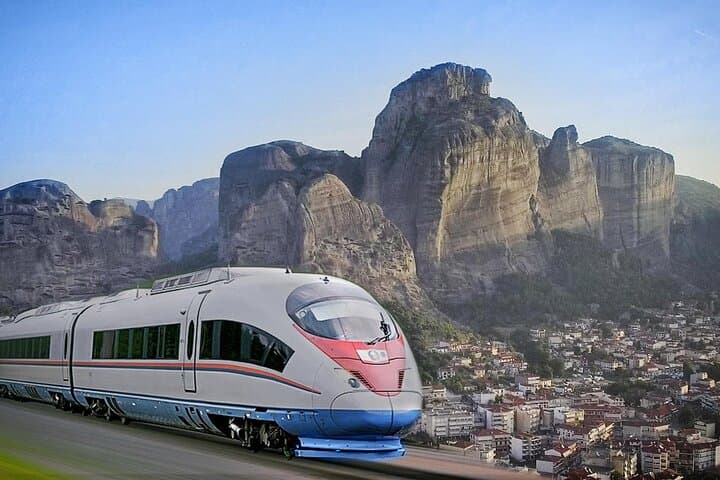
Morning light slices the Thessaloniki platform as travelers board the regional train bound for Kalabaka, the rock forests of Meteora gradually rising from the plain like giant, wind-sculpted pillars.
Verified experiences and guided adventures in the surrounding area.
Operated by Meteora Thrones -Travel Center · Kalabaka, Thessaly
Morning light slices the Thessaloniki platform as travelers board the regional train bound for Kalabaka, the rock forests of Meteora gradually rising from the plain like giant, wind-sculpted pillars.
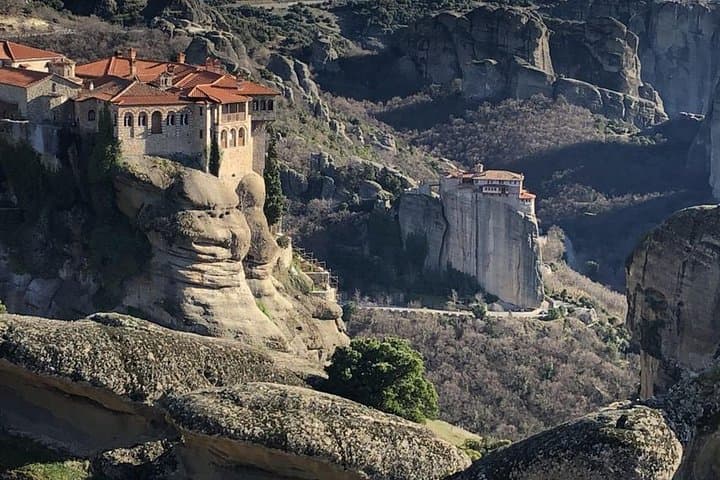
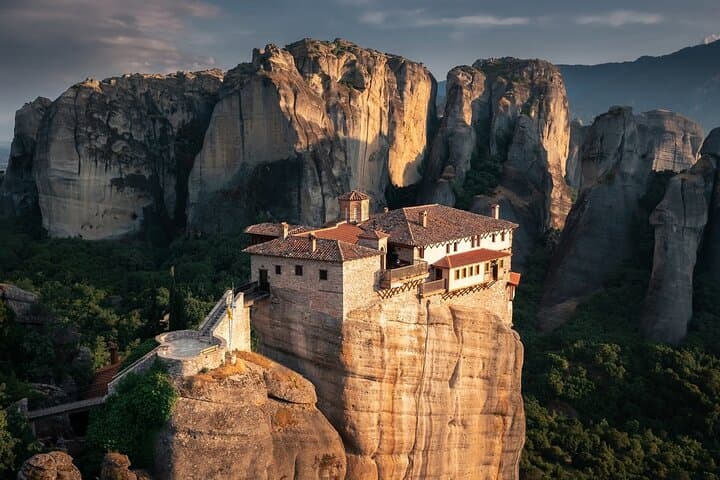
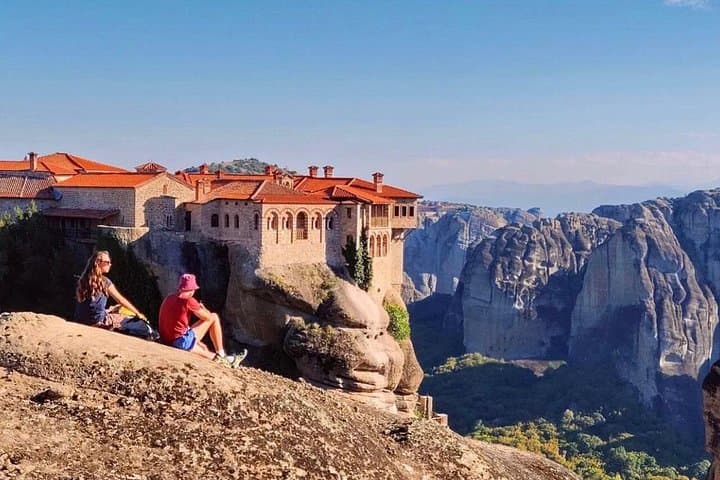
By noon the VIP mini‑bus threads narrow switchbacks and you stand beneath sheer sandstone towers topped with weathered stone monasteries — six clifftop complexes that once sheltered hermits and monks. The guide moves the group through panoramic overlooks and narrow access paths, pausing for photos and stories about Byzantine sanctity and Ottoman-era survival.
Geologically, Meteora is the result of millions of years of river deposits and tectonic uplift; the soft conglomerate eroded into dramatic pillars that challenged builders and inspired devotion. Culturally, the monasteries date largely to the 14th–16th centuries and remain active, so visitors see living traditions as much as architecture.
Practical guidance: this is a full‑day itinerary (about 12 hours including trains) with roughly five hours on-site in a small-group minibus. Expect short climbs and steps at monasteries; modest dress is mandatory to enter. Train travel includes a required change at Palaiofarsalos and modest waiting times—bring snacks for the journey. Photographic stops are frequent; the route is optimized for seeing all six complexes with interior access to three.
Timing matters: mid-morning light favors eastern viewpoints, while late afternoon softens the rock faces. Carry water, wear comfortable walking shoes with good grip, and keep a lightweight layer for breezy ridge-top conditions. The trip blends history, geology and accessible adventure — an efficient way to experience one of Greece’s most theatrical landscapes in a single day.
The tour includes interior access to three monasteries, but small local entrance fees may apply and are sometimes paid on-site—bring cash in euros.
You depart Thessaloniki in the morning and change trains at Palaiofarsalos en route to Kalabaka; e‑tickets are sent by email and can be shown on your phone.
Infants can ride in strollers for station transfers, but expect stairs and narrow paths at monastery sites; check with the operator for specific accessibility needs.
The supplier is not responsible for public train delays but will wait for you at Kalabaka and aims to return you in time for the scheduled evening train.
Meteora Thrones -Travel Center operates guided outdoor trips and adventures with an emphasis on safety, stewardship, and memorable experiences.
Morning light slices the Thessaloniki platform as travelers board the regional train bound for Kalabaka, the rock forests of Meteora gradually rising from the plain like giant, wind-sculpted pillars.
Morning light slices the Thessaloniki platform as travelers board the regional train bound for Kalabaka, the rock forests of Meteora gradually rising from the plain like giant, wind-sculpted pillars.
By noon the VIP mini‑bus threads narrow switchbacks and you stand beneath sheer sandstone towers topped with weathered stone monasteries — six clifftop complexes that once sheltered hermits and monks. The guide moves the group through panoramic overlooks and narrow access paths, pausing for photos and stories about Byzantine sanctity and Ottoman-era survival.
Geologically, Meteora is the result of millions of years of river deposits and tectonic uplift; the soft conglomerate eroded into dramatic pillars that challenged builders and inspired devotion. Culturally, the monasteries date largely to the 14th–16th centuries and remain active, so visitors see living traditions as much as architecture.
Practical guidance: this is a full‑day itinerary (about 12 hours including trains) with roughly five hours on-site in a small-group minibus. Expect short climbs and steps at monasteries; modest dress is mandatory to enter. Train travel includes a required change at Palaiofarsalos and modest waiting times—bring snacks for the journey. Photographic stops are frequent; the route is optimized for seeing all six complexes with interior access to three.
Timing matters: mid-morning light favors eastern viewpoints, while late afternoon softens the rock faces. Carry water, wear comfortable walking shoes with good grip, and keep a lightweight layer for breezy ridge-top conditions. The trip blends history, geology and accessible adventure — an efficient way to experience one of Greece’s most theatrical landscapes in a single day.
