THE ADVENTURE COLLECTIVE® · Independent discovery and booking for outdoor travel

Spend a carefully paced day in Thimphu visiting the colossal Buddha Dordenma, the National Memorial Chorten, Motithang Takin Preserve and the bustling Wangchhu market. This guided loop blends panoramic viewpoints, living culture and easy walks suited to most travelers.
Spend a carefully paced day in Thimphu visiting the colossal Buddha Dordenma, the National Memorial Chorten, Motithang Takin Preserve and the bustling Wangchhu market. This guided loop blends panoramic viewpoints, living culture and easy walks suited to most travelers.
You step from the tour vehicle into clear, high-altitude air; the valley opens and the hilltop Buddha watches over the city like an unhurried guardian. A light wind tugs at your jacket and the Wangchhu River below nudges traders toward its banks, setting a steady human pulse against the mountains.
Verified experiences and guided adventures in the surrounding area.
Operated by Druk Asia - Bhutan Travel Specialist · Thimphu, Thimphu District
You step from the tour vehicle into clear, high-altitude air; the valley opens and the hilltop Buddha watches over the city like an unhurried guardian. A light wind tugs at your jacket and the Wangchhu River below nudges traders toward its banks, setting a steady human pulse against the mountains.
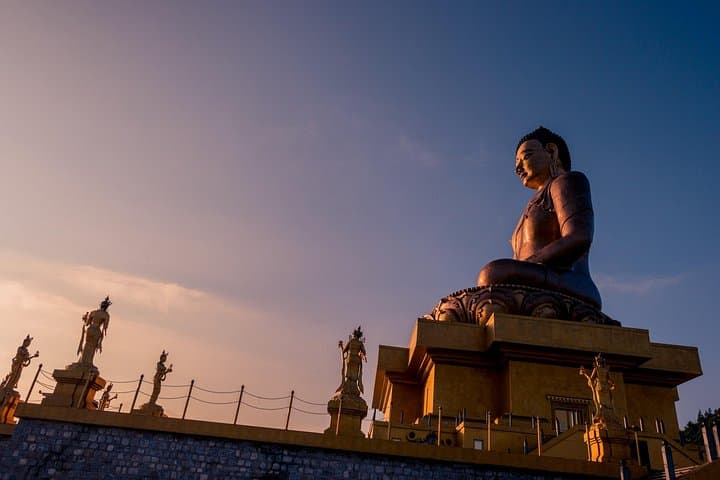
This four-hour loop threads Thimphu’s key sites: the 51.5m bronze Buddha Dordenma atop a ridge, the white-and-gold National Memorial Chorten built in 1974, a panoramic overlook by the broadcasting tower, the Motithang Takin Preserve and the lively Wangchhu market. The Buddha was commissioned to celebrate a king and fulfill local prophecies; the chorten honors the father of modern Bhutan. Geologically, the valley is a rain-fed basin hemmed by Bhutan’s fold-and-thrust Himalaya, so slopes can feel sudden and views abrupt.
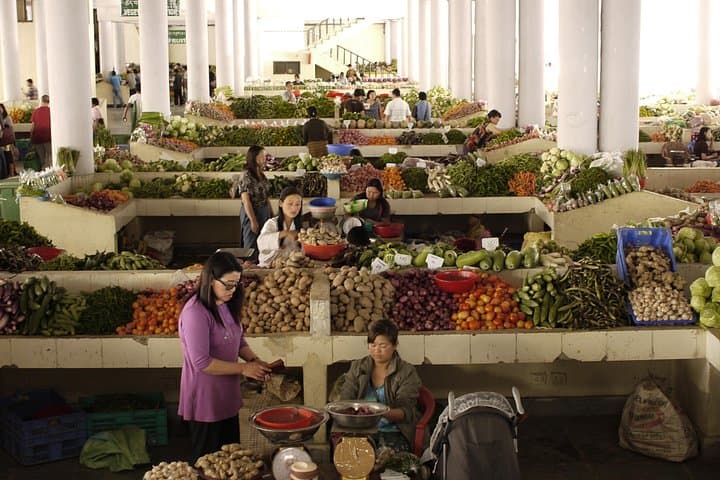
Culturally, the day balances ritual and routine — devotees circling prayer wheels at the Chorten, livestock and produce arriving at market stalls — offering direct encounters with Bhutanese daily life and living religious practice.
Practical guidance: plan for easy, mostly short walks between viewpoints and exhibits, with some uneven steps at temple sites. Carry cash for market purchases and small entry fees (most admissions are included on guided tours, but vendors are cash-first). Protect against sun and variable mountain weather: layer up and bring a refillable water bottle. Respect dress and photography rules at religious sites and move clockwise around stupas. If you have back or cardiovascular issues, consult your guide; the itinerary is gentle but includes stairs and short climbs.
The standard guided day tour includes admission to stated sights like the Buddha Dordenma and Motithang Preserve, but verify any optional stops with your operator.
Infants are required to sit on laps; the itinerary is family-friendly but includes stairs and short climbs—plan accordingly.
This outing involves light walking and steps; it’s not recommended for travelers with serious spinal, cardiovascular or pregnancy concerns—check provider guidance before booking.
Tipping is appreciated but discretionary; small cash tips for good service are customary in Bhutan.
Druk Asia - Bhutan Travel Specialist operates guided outdoor trips and adventures with an emphasis on safety, stewardship, and memorable experiences.

You step from the tour vehicle into clear, high-altitude air; the valley opens and the hilltop Buddha watches over the city like an unhurried guardian. A light wind tugs at your jacket and the Wangchhu River below nudges traders toward its banks, setting a steady human pulse against the mountains.
You step from the tour vehicle into clear, high-altitude air; the valley opens and the hilltop Buddha watches over the city like an unhurried guardian. A light wind tugs at your jacket and the Wangchhu River below nudges traders toward its banks, setting a steady human pulse against the mountains.
This four-hour loop threads Thimphu’s key sites: the 51.5m bronze Buddha Dordenma atop a ridge, the white-and-gold National Memorial Chorten built in 1974, a panoramic overlook by the broadcasting tower, the Motithang Takin Preserve and the lively Wangchhu market. The Buddha was commissioned to celebrate a king and fulfill local prophecies; the chorten honors the father of modern Bhutan. Geologically, the valley is a rain-fed basin hemmed by Bhutan’s fold-and-thrust Himalaya, so slopes can feel sudden and views abrupt.
Culturally, the day balances ritual and routine — devotees circling prayer wheels at the Chorten, livestock and produce arriving at market stalls — offering direct encounters with Bhutanese daily life and living religious practice.
Practical guidance: plan for easy, mostly short walks between viewpoints and exhibits, with some uneven steps at temple sites. Carry cash for market purchases and small entry fees (most admissions are included on guided tours, but vendors are cash-first). Protect against sun and variable mountain weather: layer up and bring a refillable water bottle. Respect dress and photography rules at religious sites and move clockwise around stupas. If you have back or cardiovascular issues, consult your guide; the itinerary is gentle but includes stairs and short climbs.