
Three Ancient Kingdoms from Negombo: Dambadeniya, Yapahuwa & Panduwasnuwara Day Tour
Spend a day tracing three former capitals of Sri Lanka—Dambadeniya, Yapahuwa and Panduwasnuwara—on a private tour from Negombo. Expect carved stone staircases, ancient irrigation works and accessible ruins with a guide who brings medieval history to life.
An Adventure In Negombo.
Spend a day tracing three former capitals of Sri Lanka—Dambadeniya, Yapahuwa and Panduwasnuwara—on a private tour from Negombo. Expect carved stone staircases, ancient irrigation works and accessible ruins with a guide who brings medieval history to life.
Read the full experience
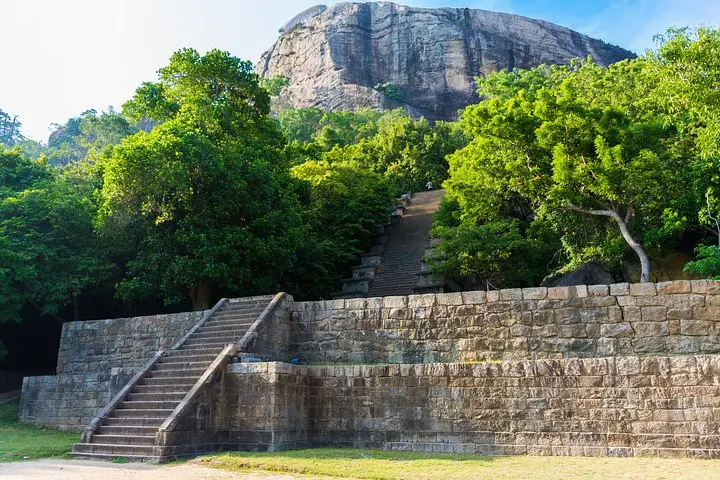
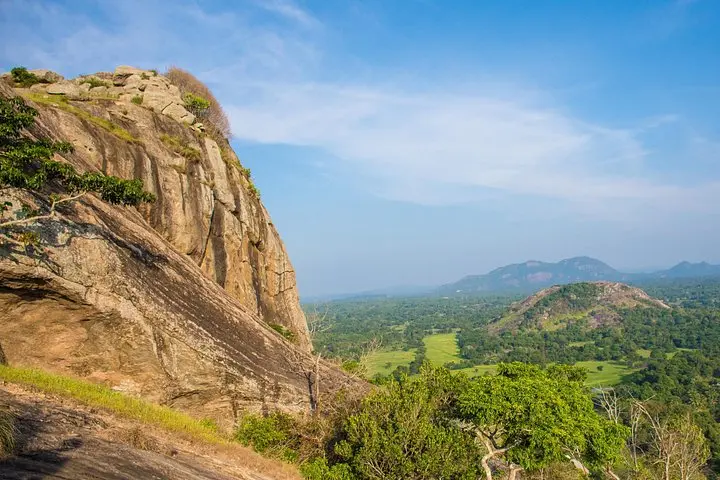
You step out of an air-conditioned car onto baked earth, the afternoon sun tilting light across a low, weathered rock. The climb at Yapahuwa is immediate—wide stone steps carved centuries ago, edges softened by time and the occasional trailing vine. Below, rice paddies and the odd temple spire punctuate a flat horizon; above, the stupa’s silhouette keeps a steady, solemn watch.
You step out of an air-conditioned car onto baked earth, the afternoon sun tilting light across a low, weathered rock. The climb at Yapahuwa is immediate—wide stone steps carved centuries ago, edges softened by time and the occasional trailing vine. Below, rice paddies and the odd temple spire punctuate a flat horizon; above, the stupa’s silhouette keeps a steady, solemn watch.
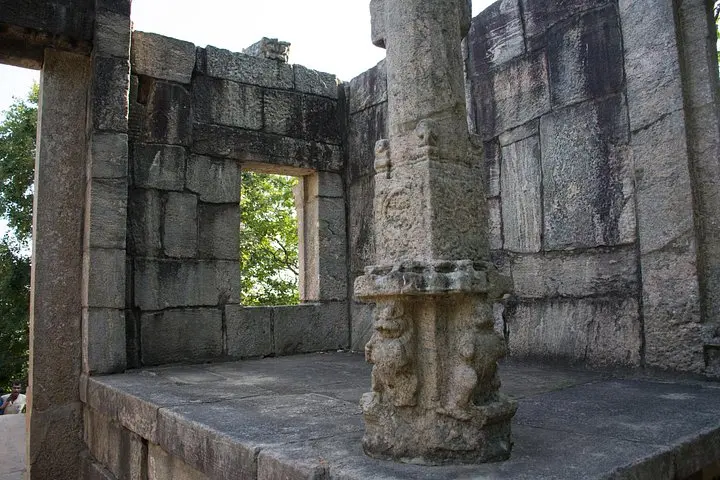
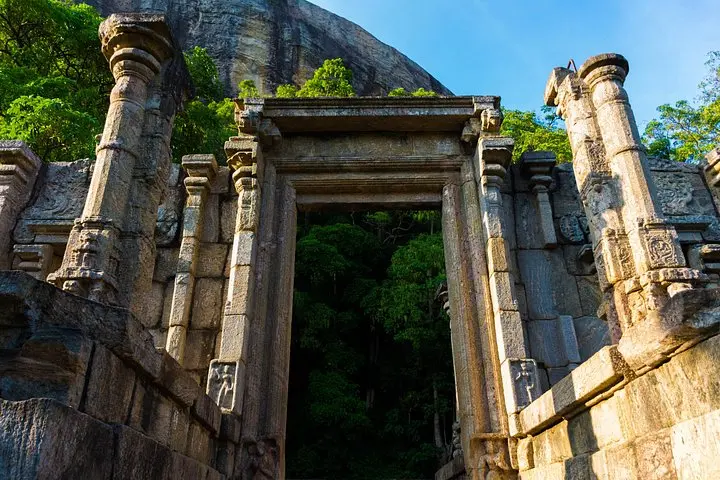
This single-day circuit threads three capitals of Sri Lanka’s medieval past. Dambadeniya (13th century) was a literary and administrative center; Panduwasnuwara reaches back to the 5th century BC and preserves one of the island’s earliest irrigation works, Panda Wewa; Yapahuwa, built on a giant granite plug, shows a different architectural ambition—bold stairways, carved pillars and Kandyan-era statuary.
Geology here is simple: lowland plains interrupted by resilient granitic outcrops that became natural strongholds. Culture is visible in ruined palace walls, a restored Temple of the Tooth façade, and village markets that still trade fish, rice and coconut.
Practically: the day is long—expect 10–12 hours round trip from Negombo with walking on uneven stone and short climbs up steep flights. Bring sun protection, a full water bottle, and comfortable, grippy footwear; modest clothing is required at religious sites. Photography is allowed at most ruins, but avoid off-trail exploration and touching delicate carvings.
Guides provide history and local context; small-group, private transport keeps the itinerary flexible. The route balances accessible archaeology with rural landscapes—an immersive, walkable taste of Sri Lanka’s layered past.
Frequently asked questions
The tour listing indicates admission is not included; expect modest site fees payable on arrival.
Plan for multiple short walks and stair climbs, particularly at Yapahuwa where the fortress sits atop a steep rock—mobility limitations may make parts difficult.
Yes—hotel pick-up and drop-off in Negombo are included as part of the private tour service.
The itinerary is family-friendly for older children used to walking, but it’s not recommended for pregnant travelers or those with serious heart or spinal conditions per provider guidance.
About This Experience
Lakpura LLC operates guided outdoor trips and adventures with an emphasis on safety, stewardship, and memorable experiences.
Adventure tips
Recommended gear
- Sturdy walking shoes: Good traction and ankle support make stone steps and compacted earth far easier and safer.
- Sun hat & sunscreen: Open plains and exposed staircases provide little shade—UV protection is essential.
- 1–2 liter reusable water bottle: Hydration for a full-day tour is critical; bottled water is often provided but bringing your own reduces waste.
- Light rain jacket or poncho: Protects against short tropical downpours, especially during the monsoon months.
Photos of the experience
Related adventures & guides
Read the full experience
You step out of an air-conditioned car onto baked earth, the afternoon sun tilting light across a low, weathered rock. The climb at Yapahuwa is immediate—wide stone steps carved centuries ago, edges softened by time and the occasional trailing vine. Below, rice paddies and the odd temple spire punctuate a flat horizon; above, the stupa’s silhouette keeps a steady, solemn watch.
You step out of an air-conditioned car onto baked earth, the afternoon sun tilting light across a low, weathered rock. The climb at Yapahuwa is immediate—wide stone steps carved centuries ago, edges softened by time and the occasional trailing vine. Below, rice paddies and the odd temple spire punctuate a flat horizon; above, the stupa’s silhouette keeps a steady, solemn watch.
This single-day circuit threads three capitals of Sri Lanka’s medieval past. Dambadeniya (13th century) was a literary and administrative center; Panduwasnuwara reaches back to the 5th century BC and preserves one of the island’s earliest irrigation works, Panda Wewa; Yapahuwa, built on a giant granite plug, shows a different architectural ambition—bold stairways, carved pillars and Kandyan-era statuary.
Geology here is simple: lowland plains interrupted by resilient granitic outcrops that became natural strongholds. Culture is visible in ruined palace walls, a restored Temple of the Tooth façade, and village markets that still trade fish, rice and coconut.
Practically: the day is long—expect 10–12 hours round trip from Negombo with walking on uneven stone and short climbs up steep flights. Bring sun protection, a full water bottle, and comfortable, grippy footwear; modest clothing is required at religious sites. Photography is allowed at most ruins, but avoid off-trail exploration and touching delicate carvings.
Guides provide history and local context; small-group, private transport keeps the itinerary flexible. The route balances accessible archaeology with rural landscapes—an immersive, walkable taste of Sri Lanka’s layered past.
Make a day of it nearby.
Verified experiences and guided adventures in the surrounding area.