THE ADVENTURE COLLECTIVE® · Independent discovery and booking for outdoor travel

Spend three days moving from the monumental galleries of Angkor Wat to the overgrown pyramids of Koh Ker. This private tour pairs an experienced guide and air-conditioned transport with early-morning walks, dramatic bas-reliefs, and quieter jungle temples.
Spend three days moving from the monumental galleries of Angkor Wat to the overgrown pyramids of Koh Ker. This private tour pairs an experienced guide and air-conditioned transport with early-morning walks, dramatic bas-reliefs, and quieter jungle temples.
Dawn breaks across the moat at Angkor Wat and the stone silhouette shifts from black to honey; you step from the air-conditioned vehicle into a humid morning threaded with chanting and the distant clack of bicycle wheels. Over three days this private tour moves from the carved galleries of Angkor Wat and the smiling faces of Bayon to the tangled roots of Ta Prohm and the more solitary pyramids and jungle ruins at Koh Ker.
Verified experiences and guided adventures in the surrounding area.
Operated by Angkor Heritage Tours · Siem Reap, Siem Reap Province
Dawn breaks across the moat at Angkor Wat and the stone silhouette shifts from black to honey; you step from the air-conditioned vehicle into a humid morning threaded with chanting and the distant clack of bicycle wheels. Over three days this private tour moves from the carved galleries of Angkor Wat and the smiling faces of Bayon to the tangled roots of Ta Prohm and the more solitary pyramids and jungle ruins at Koh Ker.
The Angkor complex spans centuries: 10th–13th century kings carved Hindu and Buddhist cosmologies in sandstone, quarried locally from Phnom Kulen; later rulers repurposed sanctuaries as Buddhism spread. Geology and water management shaped the landscape—the great barays (reservoirs) and causeways that once fed cities now frame temple islands and seasonal marshes. Cultural remnants are vivid: bas-reliefs of trade, war, and ritual, and temple layouts meant to mirror Mount Meru and the cosmic ocean.
Expect guided walks across uneven stone, shaded causeways, and short climbs up steep temple steps. Photography windows are early morning and late afternoon; midday is hot and best spent in transport or shaded galleries. Practical notes: carry water, sun protection, comfortable closed-toe shoes for uneven surfaces and slippery moss, and insect repellent for jungle sections. The tour includes an English-speaking professional guide, three lunches at local restaurants, and private transport with A/C.
This itinerary is ideal for travelers who want paced exploration of the major sites plus quieter jungle temples—prepare for humidity and lots of steps, and you’ll come away with a deeper read on Khmer architecture and the landscape that shaped it.
Temple admission (Angkor Pass) is typically required separately; check with your operator—this tour lists admission as not included.
Yes—infants and small children can ride in strollers, but note the operator advises laps for infants and moderate fitness is recommended.
Expect several short walking segments across temple complexes totaling a few miles a day, including stair climbs and uneven surfaces.
The tour provides three lunch stops at local restaurants but notes meals themselves may not be included; confirm at booking.
Angkor Heritage Tours operates guided outdoor trips and adventures with an emphasis on safety, stewardship, and memorable experiences.
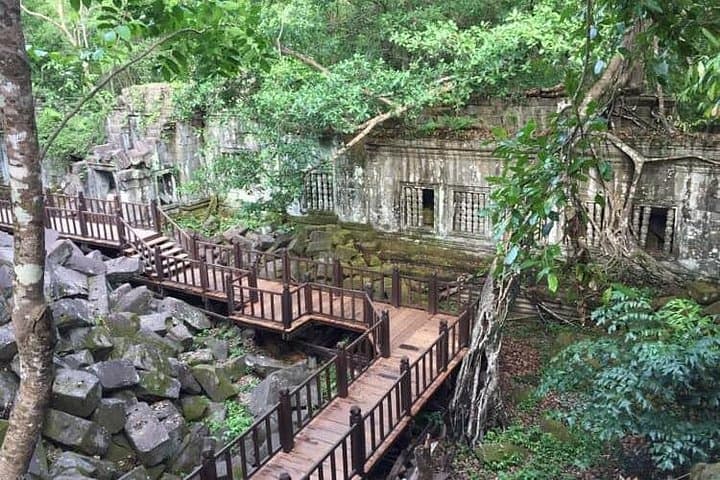
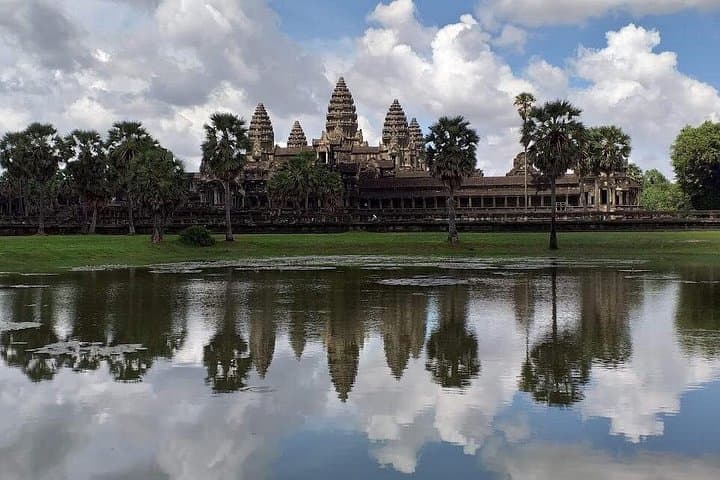
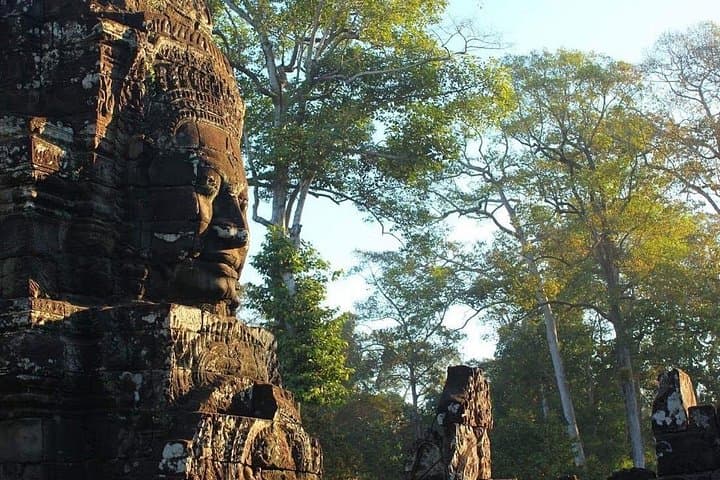
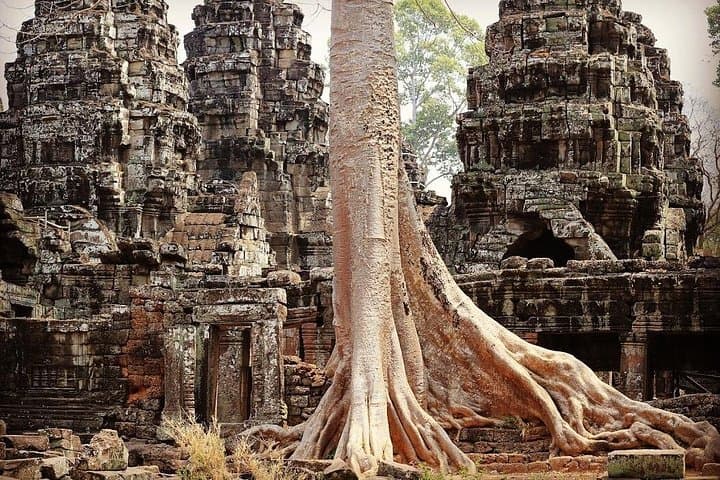
Dawn breaks across the moat at Angkor Wat and the stone silhouette shifts from black to honey; you step from the air-conditioned vehicle into a humid morning threaded with chanting and the distant clack of bicycle wheels. Over three days this private tour moves from the carved galleries of Angkor Wat and the smiling faces of Bayon to the tangled roots of Ta Prohm and the more solitary pyramids and jungle ruins at Koh Ker.
Dawn breaks across the moat at Angkor Wat and the stone silhouette shifts from black to honey; you step from the air-conditioned vehicle into a humid morning threaded with chanting and the distant clack of bicycle wheels. Over three days this private tour moves from the carved galleries of Angkor Wat and the smiling faces of Bayon to the tangled roots of Ta Prohm and the more solitary pyramids and jungle ruins at Koh Ker.
The Angkor complex spans centuries: 10th–13th century kings carved Hindu and Buddhist cosmologies in sandstone, quarried locally from Phnom Kulen; later rulers repurposed sanctuaries as Buddhism spread. Geology and water management shaped the landscape—the great barays (reservoirs) and causeways that once fed cities now frame temple islands and seasonal marshes. Cultural remnants are vivid: bas-reliefs of trade, war, and ritual, and temple layouts meant to mirror Mount Meru and the cosmic ocean.
Expect guided walks across uneven stone, shaded causeways, and short climbs up steep temple steps. Photography windows are early morning and late afternoon; midday is hot and best spent in transport or shaded galleries. Practical notes: carry water, sun protection, comfortable closed-toe shoes for uneven surfaces and slippery moss, and insect repellent for jungle sections. The tour includes an English-speaking professional guide, three lunches at local restaurants, and private transport with A/C.
This itinerary is ideal for travelers who want paced exploration of the major sites plus quieter jungle temples—prepare for humidity and lots of steps, and you’ll come away with a deeper read on Khmer architecture and the landscape that shaped it.