THE ADVENTURE COLLECTIVE® · Independent discovery and booking for outdoor travel

Trade Marrakech’s medina noise for three days of mule tracks, high passes and nights with Berber families in the High Atlas. Expect steady climbs, dramatic valley views and authentic village hospitality.
Trade Marrakech’s medina noise for three days of mule tracks, high passes and nights with Berber families in the High Atlas. Expect steady climbs, dramatic valley views and authentic village hospitality.
A cool dawn ride from Marrakech slides the city behind you and the road begins to climb into the High Atlas. Pine-scented air tightens around the jeep as mule bells mark the arrival at Aguersioual; from there the trail pushes up through fir and juniper, past waterfalls that dare you to pause. By late afternoon the village roofs of Azib Tamsoult appear, and you exchange city noise for the steady rhythm of villagers and pack animals.
Verified experiences and guided adventures in the surrounding area.
Operated by TargaTravel · Imlil, Al Haouz
A cool dawn ride from Marrakech slides the city behind you and the road begins to climb into the High Atlas. Pine-scented air tightens around the jeep as mule bells mark the arrival at Aguersioual; from there the trail pushes up through fir and juniper, past waterfalls that dare you to pause. By late afternoon the village roofs of Azib Tamsoult appear, and you exchange city noise for the steady rhythm of villagers and pack animals.
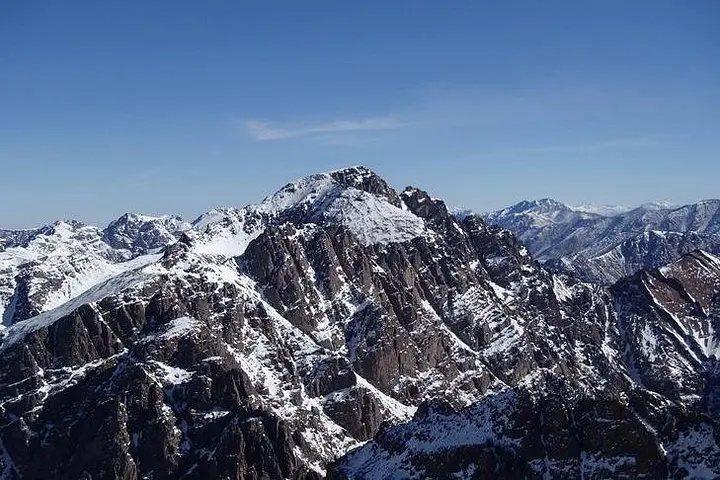
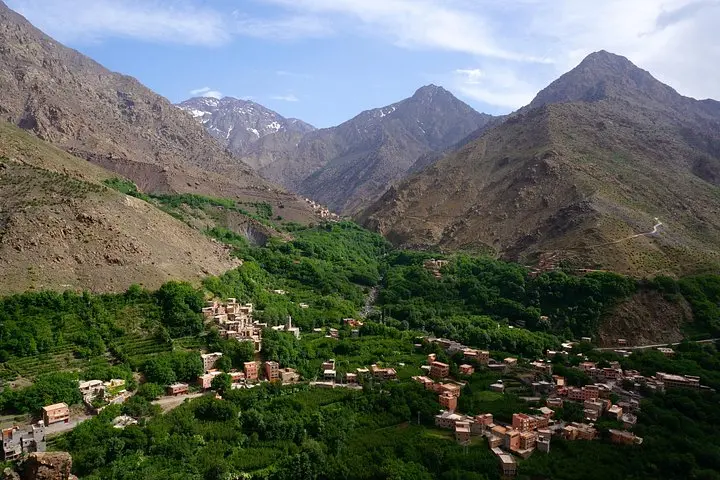
Geology here is blunt and honest: folded volcanic and sedimentary layers thrust skyward by Africa's collision with Europe, cut by valleys like Azzaden. The region is homeland to Amazigh (Berber) communities whose stone terraces and cairned passes map centuries of seasonal movement and trade. Culture is immediate and practical — hospitality offers a warm shared meal and a room in a family house — while views include a line-of-sight to Mount Toubkal on clear days.
Over three days expect 1–6 hour daily walks, a high point near Tizi n'Tzikert (~2,930 m), steady ascents and rocky mule tracks underfoot. Trails can be exposed on ridgelines and soft under spring snowmelt; rivers and gullies push the route’s pace. Practical prep: broken-in boots, layered clothing for cold nights, at least 2–3 liters water per day, and a small daypack for camera and rain layer. Pace yourself for altitude change and carry cash for village purchases and tips. The trip pairs authentic cultural exchange with hands-on mountain travel — straightforward navigation, steady climbs, and the reward of long valley views and quiet evenings in Berber homes.
Hikes range from 1–6 hours per day with sustained uphill sections; expect moderate climbs up to roughly 2,930 m on day two.
Yes — overnight stays are in Berber family homes with simple, clean rooms and shared facilities; meals are home-cooked local dishes.
A local mountain guide and a mule handler accompany the trek; mules carry luggage while you walk the route.
Carry Moroccan dirhams for souvenirs and tips, your passport or copy for pickup, and any personal medication; credit cards are unreliable in mountain villages.
TargaTravel operates guided outdoor trips and adventures with an emphasis on safety, stewardship, and memorable experiences.
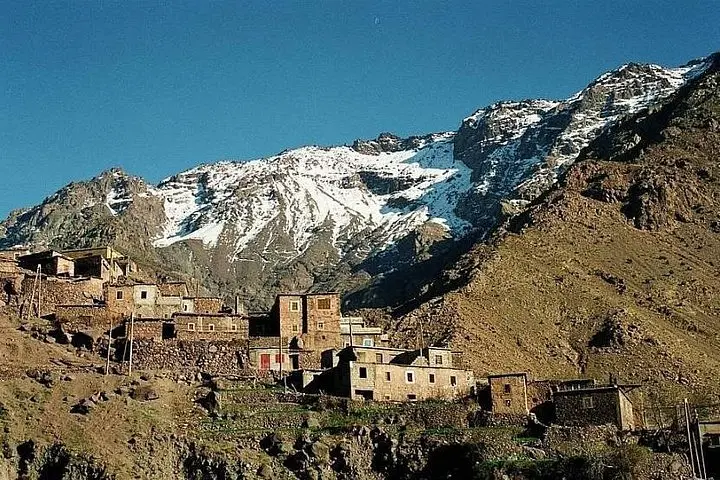
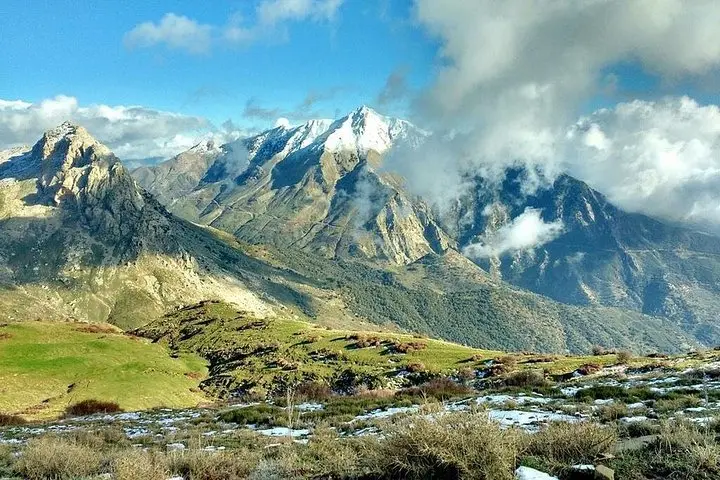
A cool dawn ride from Marrakech slides the city behind you and the road begins to climb into the High Atlas. Pine-scented air tightens around the jeep as mule bells mark the arrival at Aguersioual; from there the trail pushes up through fir and juniper, past waterfalls that dare you to pause. By late afternoon the village roofs of Azib Tamsoult appear, and you exchange city noise for the steady rhythm of villagers and pack animals.
A cool dawn ride from Marrakech slides the city behind you and the road begins to climb into the High Atlas. Pine-scented air tightens around the jeep as mule bells mark the arrival at Aguersioual; from there the trail pushes up through fir and juniper, past waterfalls that dare you to pause. By late afternoon the village roofs of Azib Tamsoult appear, and you exchange city noise for the steady rhythm of villagers and pack animals.
Geology here is blunt and honest: folded volcanic and sedimentary layers thrust skyward by Africa's collision with Europe, cut by valleys like Azzaden. The region is homeland to Amazigh (Berber) communities whose stone terraces and cairned passes map centuries of seasonal movement and trade. Culture is immediate and practical — hospitality offers a warm shared meal and a room in a family house — while views include a line-of-sight to Mount Toubkal on clear days.
Over three days expect 1–6 hour daily walks, a high point near Tizi n'Tzikert (~2,930 m), steady ascents and rocky mule tracks underfoot. Trails can be exposed on ridgelines and soft under spring snowmelt; rivers and gullies push the route’s pace. Practical prep: broken-in boots, layered clothing for cold nights, at least 2–3 liters water per day, and a small daypack for camera and rain layer. Pace yourself for altitude change and carry cash for village purchases and tips. The trip pairs authentic cultural exchange with hands-on mountain travel — straightforward navigation, steady climbs, and the reward of long valley views and quiet evenings in Berber homes.