THE ADVENTURE COLLECTIVE® · Independent discovery and booking for outdoor travel

A three-day, high-altitude circuit linking Ausangate’s glacial shoulders with the striped slopes of Rainbow Mountain, this trek combines rugged camping, Andean culture, and dramatic mineral scenery. Essential for fit hikers who want early access to Vinicunca and close views of Ausangate.
A three-day, high-altitude circuit linking Ausangate’s glacial shoulders with the striped slopes of Rainbow Mountain, this trek combines rugged camping, Andean culture, and dramatic mineral scenery. Essential for fit hikers who want early access to Vinicunca and close views of Ausangate.
A thin cold light slices across the pampa as a convoy climbs out of Cusco and into the Vilcanota range. By the time tents are pitched on the first night, Ausangate—one of the highest snow-capped peaks near Cusco—dominates the skyline, its glaciers catching the last gold of day while nearby lagoons mirror the mountain like a deliberate breath.
Verified experiences and guided adventures in the surrounding area.
Operated by Andean Path Travel · Cusco, Cusco
A thin cold light slices across the pampa as a convoy climbs out of Cusco and into the Vilcanota range. By the time tents are pitched on the first night, Ausangate—one of the highest snow-capped peaks near Cusco—dominates the skyline, its glaciers catching the last gold of day while nearby lagoons mirror the mountain like a deliberate breath.
The route follows ancient herding tracks and passes apachetas—stone cairns where Andean communities make offerings to the mountain spirits. Geologically, the trek threads glacial cirques and mineral-rich beds that produce the vivid, striped colors of Vinicunca (Rainbow Mountain); iron, copper and other deposits oxidize into rust-red, turquoise and mustard bands that rise from a high-altitude tundra.
Culturally the trail moves through pastoral highlands: you’ll pass alpaca and vicuña herds tended by local families carrying crops and stories that predate the Inca. The group performs small ceremonies at passes, a local custom that recognizes the land’s power.
Practically, expect three days of hiking with long ascents to passes near 4,900 m and nights spent camping at roughly 4,300–4,600 m. Trails are rocky, often wind-scoured, and oxygen is thin—pace conservatively, hydrate frequently and allow time to adjust in Cusco beforehand. The best window is the dry season (May–September) when trails are firm and mornings clear.
Bring a warm sleeping system, a waterproof shell and sturdy boots; mornings are frigid and weather can flip from sun to sleet within an hour. Arrive early at Vinicunca to avoid the crowds and plan for a slow, steady itinerary rather than racing for views.
The itinerary reaches passes around 4,900 m (Chillca Apacheta) with campsite elevations typically between 4,300–4,600 m.
The dry season (May–September) offers the most stable weather and clear views; wet season trails can be muddy and clouded.
Basic camping experience is helpful but guided services set up tents and meals; you should be comfortable sleeping outdoors at high altitude.
Headache, nausea, dizziness and extreme fatigue are common early signs; descend and hydrate if symptoms worsen and seek medical help if they persist.
Andean Path Travel operates guided outdoor trips and adventures with an emphasis on safety, stewardship, and memorable experiences.
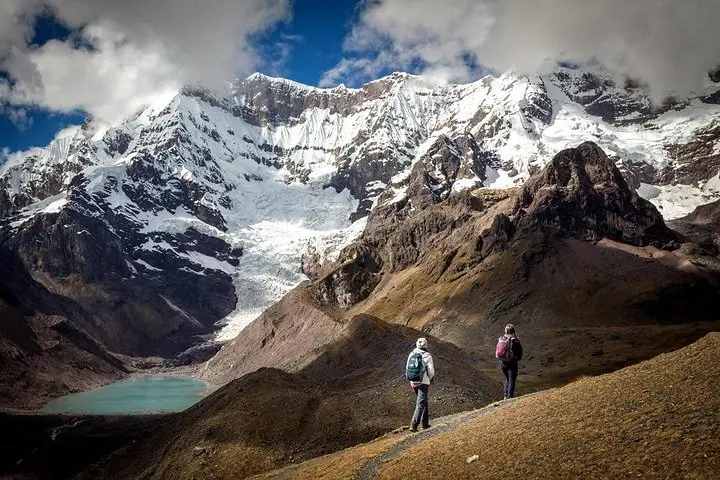
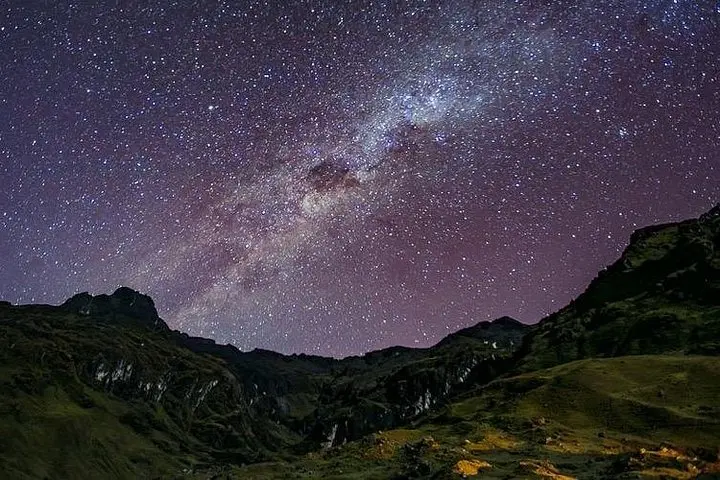
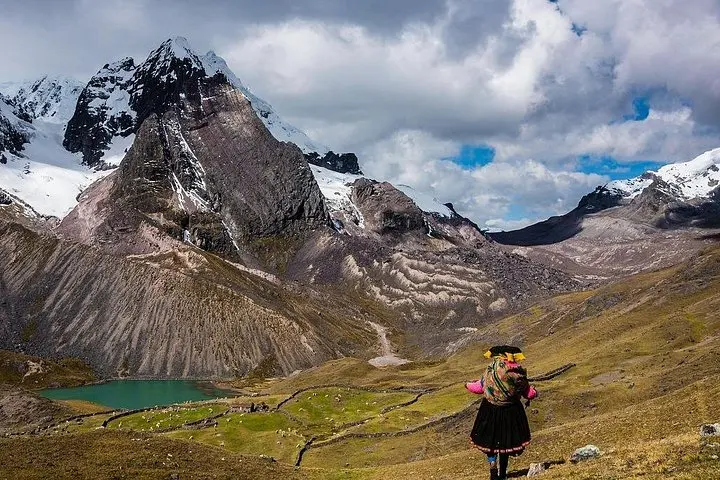
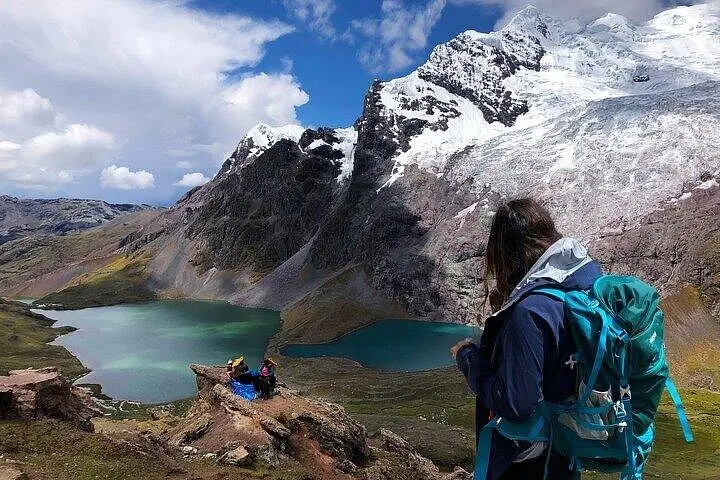
A thin cold light slices across the pampa as a convoy climbs out of Cusco and into the Vilcanota range. By the time tents are pitched on the first night, Ausangate—one of the highest snow-capped peaks near Cusco—dominates the skyline, its glaciers catching the last gold of day while nearby lagoons mirror the mountain like a deliberate breath.
A thin cold light slices across the pampa as a convoy climbs out of Cusco and into the Vilcanota range. By the time tents are pitched on the first night, Ausangate—one of the highest snow-capped peaks near Cusco—dominates the skyline, its glaciers catching the last gold of day while nearby lagoons mirror the mountain like a deliberate breath.
The route follows ancient herding tracks and passes apachetas—stone cairns where Andean communities make offerings to the mountain spirits. Geologically, the trek threads glacial cirques and mineral-rich beds that produce the vivid, striped colors of Vinicunca (Rainbow Mountain); iron, copper and other deposits oxidize into rust-red, turquoise and mustard bands that rise from a high-altitude tundra.
Culturally the trail moves through pastoral highlands: you’ll pass alpaca and vicuña herds tended by local families carrying crops and stories that predate the Inca. The group performs small ceremonies at passes, a local custom that recognizes the land’s power.
Practically, expect three days of hiking with long ascents to passes near 4,900 m and nights spent camping at roughly 4,300–4,600 m. Trails are rocky, often wind-scoured, and oxygen is thin—pace conservatively, hydrate frequently and allow time to adjust in Cusco beforehand. The best window is the dry season (May–September) when trails are firm and mornings clear.
Bring a warm sleeping system, a waterproof shell and sturdy boots; mornings are frigid and weather can flip from sun to sleet within an hour. Arrive early at Vinicunca to avoid the crowds and plan for a slow, steady itinerary rather than racing for views.