THE ADVENTURE COLLECTIVE® · Independent discovery and booking for outdoor travel

Travel three days through Korea’s Baekje heartland—Jeonju’s hanok streets, Buyeo’s royal tombs and Gongju’s riverside fortresses—guided and all logistics covered. Read on for what to expect and how to prepare for this compact cultural circuit.
Travel three days through Korea’s Baekje heartland—Jeonju’s hanok streets, Buyeo’s royal tombs and Gongju’s riverside fortresses—guided and all logistics covered. Read on for what to expect and how to prepare for this compact cultural circuit.
Morning light cuts across low hills as your minivan leaves Seoul and the rice plains open into fields that still remember the Baekje kingdom. On day one you step into Jeonju’s Hanok Village: courtyard doors, papered windows and the slow scent of toasted sesame from a bibimbap stall. The next two days move through Buyeo and Gongju where earthen walls, granite pagodas and temple streams mark a 1,400‑year history.
Verified experiences and guided adventures in the surrounding area.
Operated by Bergen travel · Buyeo, Chungcheongnam-do
Morning light cuts across low hills as your minivan leaves Seoul and the rice plains open into fields that still remember the Baekje kingdom. On day one you step into Jeonju’s Hanok Village: courtyard doors, papered windows and the slow scent of toasted sesame from a bibimbap stall. The next two days move through Buyeo and Gongju where earthen walls, granite pagodas and temple streams mark a 1,400‑year history.
Baekje (18 BC–AD 660) was a formative Korean kingdom; its capital sites here reflect a blend of continental craft and local stonework. Geology matters—the low mountains are composed of older granites and metamorphic rock that supplied pagoda stone, while the Geumgang River shaped defensive lines and trade routes. Culturally you’ll meet hanji paper makers, taste Jeonju bibimbap and stand where royal tombs once received offerings.
Practically, expect three full days of short walks, museum visits and light uphill approaches to fortresses. Guides handle admissions and logistics; hotels are mid-range and included on nights one and two. Comfortable shoes, a light jacket and an adaptable schedule make all the difference: afternoons can be museum‑heavy and mornings best for hilltop views.
Plan to hydrate between sites, carry local cash for market snacks, and reserve any dietary needs before departure. These places reward slow attention—bring curiosity and a pair of reliable walking shoes and you’ll leave with a clear sense of Baekje’s legacy and how history is carved into this landscape.
Most departures include pickup or clear meeting instructions; the provider arranges private transportation for the three‑day route.
Yes—two nights’ hotel and specified breakfasts, lunches and dinners are listed in the itinerary; check the booking for exact meal counts.
The tour is classified as physically easy, but some sites have steps and uneven ground; contact the operator ahead to discuss assistance needs.
Yes—the tour includes a professional English-speaking guide with an official license to lead UNESCO site visits.
Bergen travel operates guided outdoor trips and adventures with an emphasis on safety, stewardship, and memorable experiences.
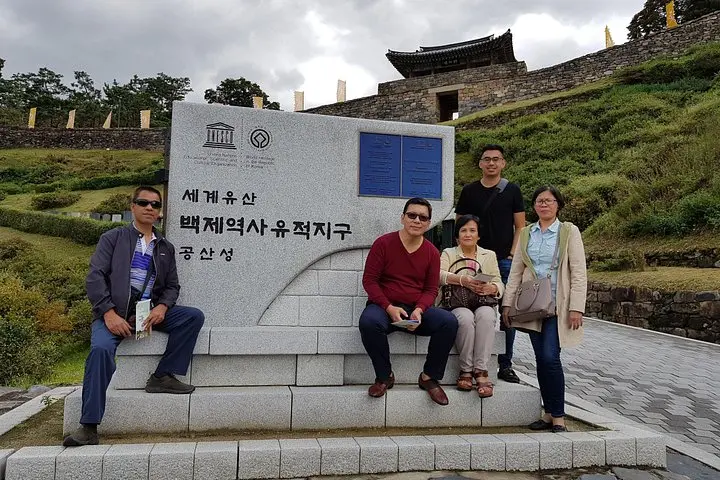
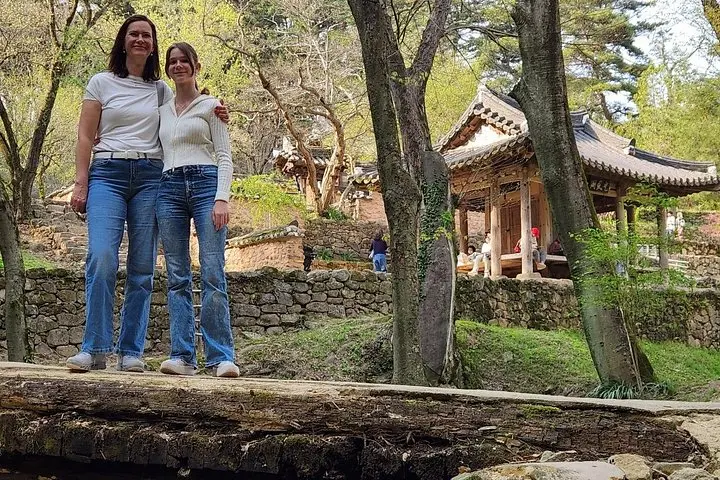
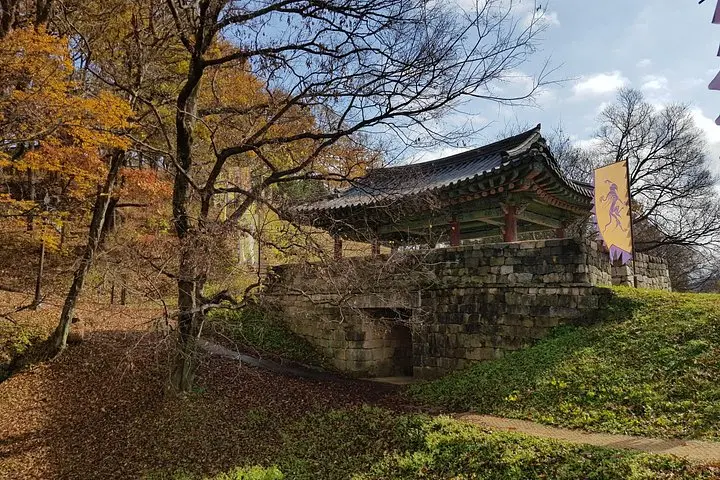
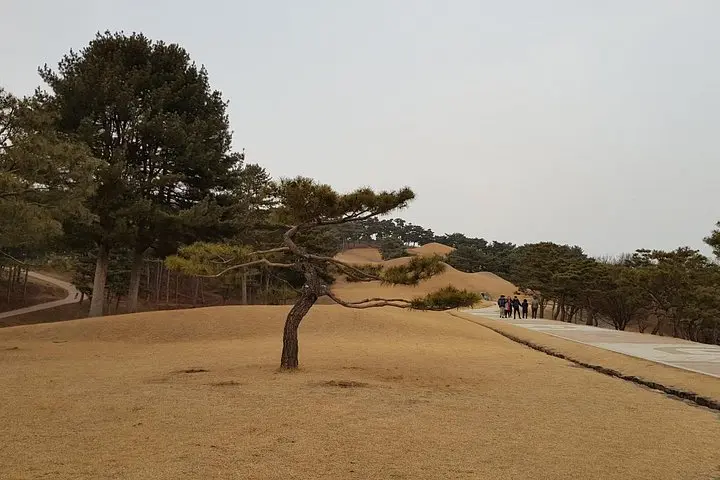
Morning light cuts across low hills as your minivan leaves Seoul and the rice plains open into fields that still remember the Baekje kingdom. On day one you step into Jeonju’s Hanok Village: courtyard doors, papered windows and the slow scent of toasted sesame from a bibimbap stall. The next two days move through Buyeo and Gongju where earthen walls, granite pagodas and temple streams mark a 1,400‑year history.
Morning light cuts across low hills as your minivan leaves Seoul and the rice plains open into fields that still remember the Baekje kingdom. On day one you step into Jeonju’s Hanok Village: courtyard doors, papered windows and the slow scent of toasted sesame from a bibimbap stall. The next two days move through Buyeo and Gongju where earthen walls, granite pagodas and temple streams mark a 1,400‑year history.
Baekje (18 BC–AD 660) was a formative Korean kingdom; its capital sites here reflect a blend of continental craft and local stonework. Geology matters—the low mountains are composed of older granites and metamorphic rock that supplied pagoda stone, while the Geumgang River shaped defensive lines and trade routes. Culturally you’ll meet hanji paper makers, taste Jeonju bibimbap and stand where royal tombs once received offerings.
Practically, expect three full days of short walks, museum visits and light uphill approaches to fortresses. Guides handle admissions and logistics; hotels are mid-range and included on nights one and two. Comfortable shoes, a light jacket and an adaptable schedule make all the difference: afternoons can be museum‑heavy and mornings best for hilltop views.
Plan to hydrate between sites, carry local cash for market snacks, and reserve any dietary needs before departure. These places reward slow attention—bring curiosity and a pair of reliable walking shoes and you’ll leave with a clear sense of Baekje’s legacy and how history is carved into this landscape.