THE ADVENTURE COLLECTIVE® · Independent discovery and booking for outdoor travel

A focused three-day loop through Bariloche that pairs the panoramic Circuito Chico and Cerro Campanario with the scenic Seven Lakes drive to San Martín de los Andes—and a half-day family-friendly rafting trip on the Manso/Villegas rivers. Expect full days, bilingual guides, and classic Patagonian scenery.
A focused three-day loop through Bariloche that pairs the panoramic Circuito Chico and Cerro Campanario with the scenic Seven Lakes drive to San Martín de los Andes—and a half-day family-friendly rafting trip on the Manso/Villegas rivers. Expect full days, bilingual guides, and classic Patagonian scenery.
You step off the van on the shore of Nahuel Huapi and the wind rearranges the day: lake water slaps the rocks, condors circle the ridgelines, and the smell of wood smoke drifts down from cabins. Day one moves in easy arcs—short hikes and chairlift rides—each viewpoint opening like a map that redraws itself as you walk. Cerro Campanario’s chairlift lifts you through pine-scented air to a shelf of rock where the lake network spills below in turquoise veins; on clear days the vista feels as wide as Patagonia itself.
Verified experiences and guided adventures in the surrounding area.
Operated by Azul Latina Travel · San Carlos de Bariloche, Río Negro
You step off the van on the shore of Nahuel Huapi and the wind rearranges the day: lake water slaps the rocks, condors circle the ridgelines, and the smell of wood smoke drifts down from cabins. Day one moves in easy arcs—short hikes and chairlift rides—each viewpoint opening like a map that redraws itself as you walk. Cerro Campanario’s chairlift lifts you through pine-scented air to a shelf of rock where the lake network spills below in turquoise veins; on clear days the vista feels as wide as Patagonia itself.
This three-day package stitches together Bariloche’s most iconic contrasts: Circuito Chico’s roadside panoramas and Llao Llao Park’s lenga forests, the ribbon road that becomes the Seven Lakes between Bariloche and San Martín de los Andes, and the raw, river-thrill of the Manso/Villegas system. The Seven Lakes route traces glacial basins carved during the last ice age—Espejo, Correntoso, Escondido, Villarino, Falkner, Machónico and Lácar—each lake a different mood depending on wind and light. San Martín de los Andes, at the eastern end, offers a quieter mountain-town rhythm and one of Patagonia’s simplest pleasures: slow lunch and local trout.
Geology and culture intersect here. The lakes occupy faulted valleys and glacial troughs; the mapuche people have long named and used these waters, and contemporary mountain towns still bear those linguistic traces. Conservation is an active concern—Nahuel Huapi and Lanín are national parks, with rules that limit fires and require visitors to pack out waste.
Practicalities are straightforward but important. The program includes airport transfers to/from Bariloche and bilingual guides, so logistics are mostly handled; still, plan for early starts and full days. The rafting segment on the Manso/Villegas is family-friendly class II–III rapids—expect 3–4 hours on the river, safety briefing and wetsuits in cooler seasons. Fitness needs are moderate: short walks and one chairlift on day one, a long day on the road for day two with several viewpoints to get out and stretch, and a half-day of rafting that demands basic paddling and the ability to move in and out of boats.
Timing and kit matter: a layered waterproof shell, non-slip footwear for riverbanks, sun protection, and a small daypack will keep you comfortable. Bring cash for roadside snacks and artisan chocolates in Bariloche. Weather turns quickly in the Andes; if you want glass-calm lakes and warm river swims, aim for summer (December–February). For crisp light and fewer crowds, shoulder seasons—late spring and early fall—are excellent.
This is the kind of trip that introduces you to Patagonian variety in three forward-leaning acts: scenic clarity, alpine road travel, and river adrenaline. It’s manageable, memorable, and leaves plenty of reasons to come back.
The rafting is rated class II–III and is family-friendly; you’ll sit in a raft and paddle under guide instruction—basic fitness and the ability to follow commands are required.
Yes, the tour includes guides in Spanish and English according to the listing.
Transfers between Bariloche airport and downtown hotels are included in the package; international airport transfers to Buenos Aires are not provided.
Family rafting is offered, but age and weight restrictions may apply—confirm with the operator at booking and note infant seats are available for transfers.
No prior experience is necessary; guides provide a safety briefing and basic paddling instruction before launching.
Bring sunscreen, a hat, a refillable water bottle, cash for rural food stops, and a camera—there are multiple viewpoints and brief walks.
Azul Latina Travel operates guided outdoor trips and adventures with an emphasis on safety, stewardship, and memorable experiences.


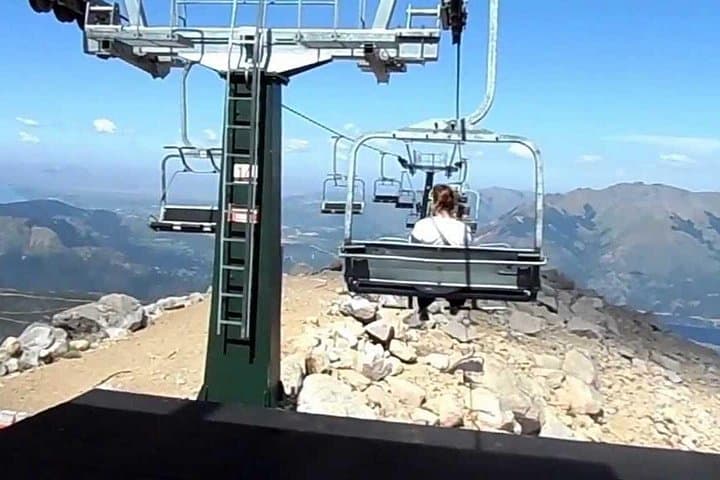

You step off the van on the shore of Nahuel Huapi and the wind rearranges the day: lake water slaps the rocks, condors circle the ridgelines, and the smell of wood smoke drifts down from cabins. Day one moves in easy arcs—short hikes and chairlift rides—each viewpoint opening like a map that redraws itself as you walk. Cerro Campanario’s chairlift lifts you through pine-scented air to a shelf of rock where the lake network spills below in turquoise veins; on clear days the vista feels as wide as Patagonia itself.
You step off the van on the shore of Nahuel Huapi and the wind rearranges the day: lake water slaps the rocks, condors circle the ridgelines, and the smell of wood smoke drifts down from cabins. Day one moves in easy arcs—short hikes and chairlift rides—each viewpoint opening like a map that redraws itself as you walk. Cerro Campanario’s chairlift lifts you through pine-scented air to a shelf of rock where the lake network spills below in turquoise veins; on clear days the vista feels as wide as Patagonia itself.
This three-day package stitches together Bariloche’s most iconic contrasts: Circuito Chico’s roadside panoramas and Llao Llao Park’s lenga forests, the ribbon road that becomes the Seven Lakes between Bariloche and San Martín de los Andes, and the raw, river-thrill of the Manso/Villegas system. The Seven Lakes route traces glacial basins carved during the last ice age—Espejo, Correntoso, Escondido, Villarino, Falkner, Machónico and Lácar—each lake a different mood depending on wind and light. San Martín de los Andes, at the eastern end, offers a quieter mountain-town rhythm and one of Patagonia’s simplest pleasures: slow lunch and local trout.
Geology and culture intersect here. The lakes occupy faulted valleys and glacial troughs; the mapuche people have long named and used these waters, and contemporary mountain towns still bear those linguistic traces. Conservation is an active concern—Nahuel Huapi and Lanín are national parks, with rules that limit fires and require visitors to pack out waste.
Practicalities are straightforward but important. The program includes airport transfers to/from Bariloche and bilingual guides, so logistics are mostly handled; still, plan for early starts and full days. The rafting segment on the Manso/Villegas is family-friendly class II–III rapids—expect 3–4 hours on the river, safety briefing and wetsuits in cooler seasons. Fitness needs are moderate: short walks and one chairlift on day one, a long day on the road for day two with several viewpoints to get out and stretch, and a half-day of rafting that demands basic paddling and the ability to move in and out of boats.
Timing and kit matter: a layered waterproof shell, non-slip footwear for riverbanks, sun protection, and a small daypack will keep you comfortable. Bring cash for roadside snacks and artisan chocolates in Bariloche. Weather turns quickly in the Andes; if you want glass-calm lakes and warm river swims, aim for summer (December–February). For crisp light and fewer crowds, shoulder seasons—late spring and early fall—are excellent.
This is the kind of trip that introduces you to Patagonian variety in three forward-leaning acts: scenic clarity, alpine road travel, and river adrenaline. It’s manageable, memorable, and leaves plenty of reasons to come back.