THE ADVENTURE COLLECTIVE® · Independent discovery and booking for outdoor travel

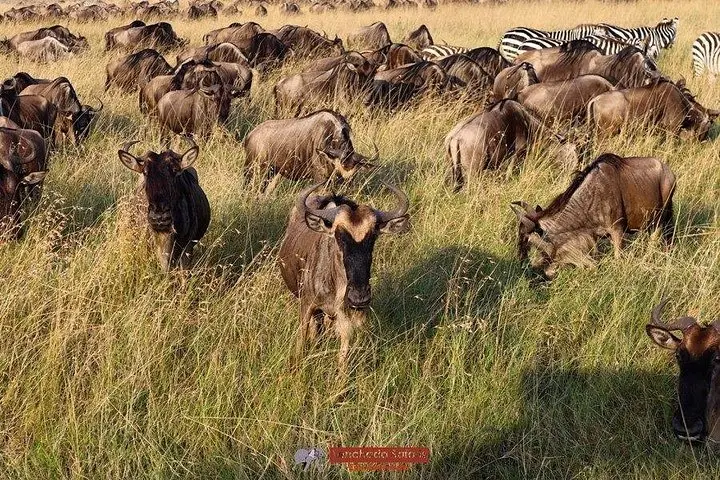
Spend three days in Masai Mara on a budget-friendly 4x4 safari that compresses classic game drives, basic tented camps, and migration viewing into a compact itinerary. Expect early starts, dusty tracks, and close-up sightings of big cats and wildebeest in a landscape shaped by seasonal rivers and pastoral Maasai culture.
Spend three days in Masai Mara on a budget-friendly 4x4 safari that compresses classic game drives, basic tented camps, and migration viewing into a compact itinerary. Expect early starts, dusty tracks, and close-up sightings of big cats and wildebeest in a landscape shaped by seasonal rivers and pastoral Maasai culture.
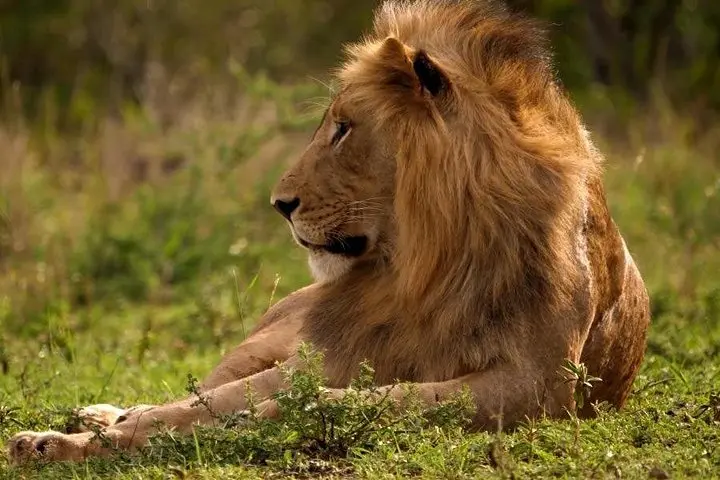
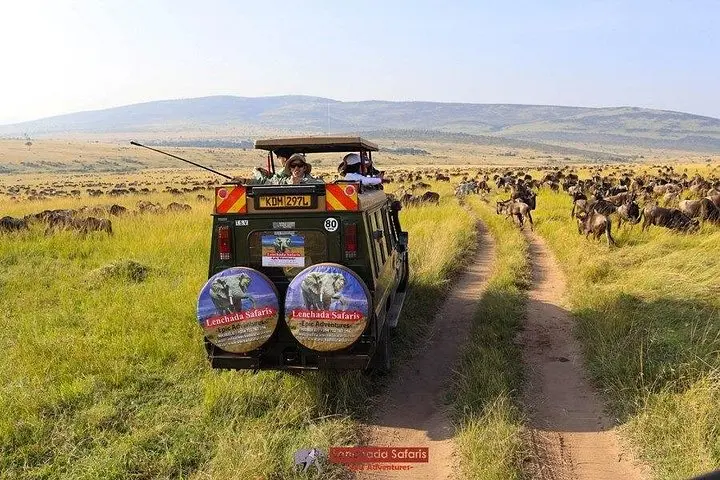
Dawn breaks over grasslands that stretch toward a low, broken skyline — acacia crowns and distant kopjes silhouette against a pale sky. You climb into a raised 4x4 and the engine hums low as the vehicle threads wide game tracks; a group of impala scatters like punctuation and a lion yawns on a sun-warmed termite mound. This is Masai Mara by the seat of a safari truck: close, immediate, and arranged so three days compress classic wildlife viewing into manageable, budget-conscious rhythms.
Verified experiences and guided adventures in the surrounding area.
Operated by Lenchada Safaris · Masai Mara National Reserve, Narok County
Dawn breaks over grasslands that stretch toward a low, broken skyline — acacia crowns and distant kopjes silhouette against a pale sky. You climb into a raised 4x4 and the engine hums low as the vehicle threads wide game tracks; a group of impala scatters like punctuation and a lion yawns on a sun-warmed termite mound. This is Masai Mara by the seat of a safari truck: close, immediate, and arranged so three days compress classic wildlife viewing into manageable, budget-conscious rhythms.
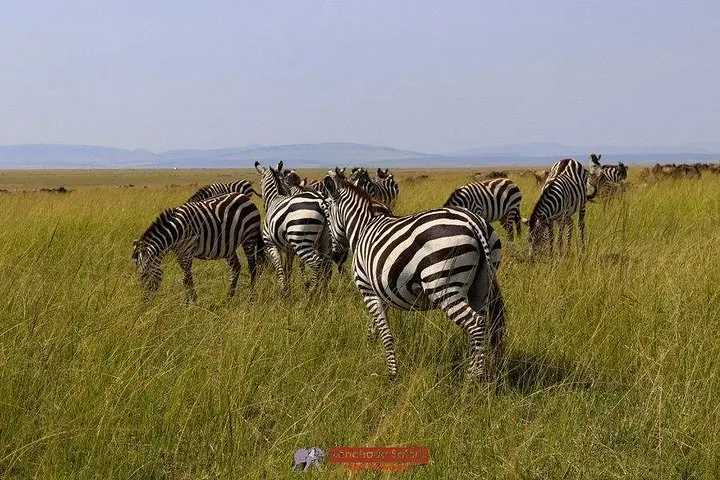
The reserve is part of the greater Serengeti ecosystem and takes its name from the Maasai people — "Mara" meaning "spotted" in Maa — a landscape shaped by seasonal rains and river corridors such as the Mara River that stage dramatic crossings during the July–October migration. Geology here is gentle: rolling plains punctuated by volcanic outcrops and riverine forest, hosting grasses that support vast herds and the predators that follow.
Culturally, tours often include an optional visit to a Maasai village, offering a glimpse of pastoral lifeways and community-run tourism. Practically, expect long game-drive days, dusty roads, and basic tented accommodation at budget camps. Morning and late-afternoon drives deliver the highest concentration of activity; midday is for rest, lunch, and scanning river edges for crocodiles and waterbirds.
Plan for early starts, layered clothing for temperature swings, reliable water and sun protection, and a camera with a telephoto lens or good binoculars. Confirm details like park fees and pickup logistics with your operator ahead of time, and respect park rules: stay on tracks, keep noise low, and follow your guide’s instructions for safe, responsible viewing.
The tour title advertises 'No Park Fees,' but operators vary—confirm directly with the provider at booking to understand exactly what fees (if any) are covered.
This itinerary uses budget tented camps with basic, self-contained tents; expect communal dining and simple facilities rather than full-service lodges.
Large-scale river crossings and peak migration viewing are typically July–October, but Masai Mara offers excellent year-round sightings of resident predators and herbivores.
Yes—Masai Mara is in a malaria zone; consult a travel clinic for recommended prophylaxis and routine vaccines several weeks before travel.
Lenchada Safaris operates guided outdoor trips and adventures with an emphasis on safety, stewardship, and memorable experiences.
Dawn breaks over grasslands that stretch toward a low, broken skyline — acacia crowns and distant kopjes silhouette against a pale sky. You climb into a raised 4x4 and the engine hums low as the vehicle threads wide game tracks; a group of impala scatters like punctuation and a lion yawns on a sun-warmed termite mound. This is Masai Mara by the seat of a safari truck: close, immediate, and arranged so three days compress classic wildlife viewing into manageable, budget-conscious rhythms.
Dawn breaks over grasslands that stretch toward a low, broken skyline — acacia crowns and distant kopjes silhouette against a pale sky. You climb into a raised 4x4 and the engine hums low as the vehicle threads wide game tracks; a group of impala scatters like punctuation and a lion yawns on a sun-warmed termite mound. This is Masai Mara by the seat of a safari truck: close, immediate, and arranged so three days compress classic wildlife viewing into manageable, budget-conscious rhythms.
The reserve is part of the greater Serengeti ecosystem and takes its name from the Maasai people — "Mara" meaning "spotted" in Maa — a landscape shaped by seasonal rains and river corridors such as the Mara River that stage dramatic crossings during the July–October migration. Geology here is gentle: rolling plains punctuated by volcanic outcrops and riverine forest, hosting grasses that support vast herds and the predators that follow.
Culturally, tours often include an optional visit to a Maasai village, offering a glimpse of pastoral lifeways and community-run tourism. Practically, expect long game-drive days, dusty roads, and basic tented accommodation at budget camps. Morning and late-afternoon drives deliver the highest concentration of activity; midday is for rest, lunch, and scanning river edges for crocodiles and waterbirds.
Plan for early starts, layered clothing for temperature swings, reliable water and sun protection, and a camera with a telephoto lens or good binoculars. Confirm details like park fees and pickup logistics with your operator ahead of time, and respect park rules: stay on tracks, keep noise low, and follow your guide’s instructions for safe, responsible viewing.